

Popcorn Time on your LG Smart TV with a media server
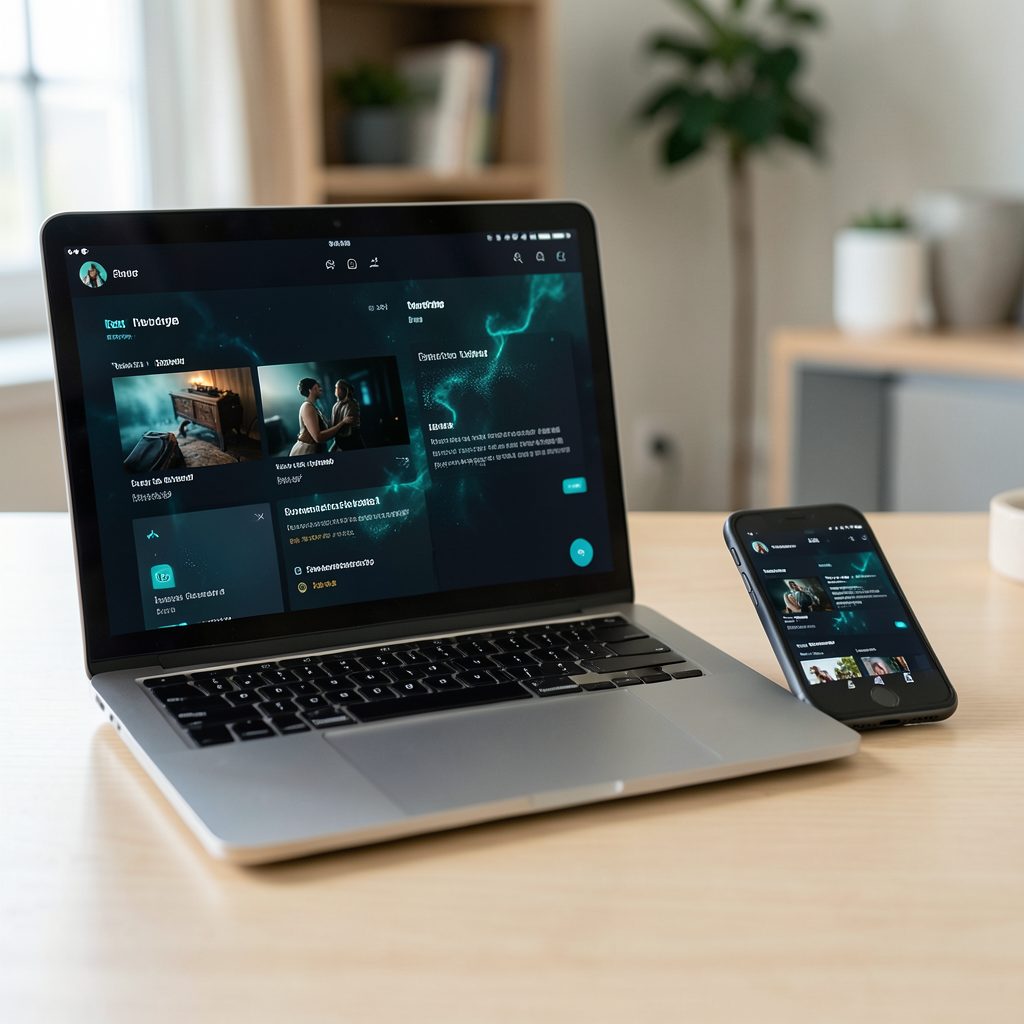
Popcorn Time has earned a reputation as a slick, Netflix-style interface for torrent streaming, and LG's webOS smart TVs remain among the most popular screens in Aussie lounge rooms. The catch is that Popcorn Time was built for desktops and mobiles, so there is no native app for webOS. That does not mean you are stuck squinting at your laptop on the couch, though. By running a media server on your computer and pointing it at Popcorn Time's cache folder, you can stream everything from the latest blockbusters to cult classics straight to your telly, controlled with the LG Magic Remote over your home network.
The setup is more approachable than it sounds, and it sidesteps the messy business of sideloading APKs or chasing unofficial webOS builds. Most Australian households already have a desktop or laptop connected to the same router as the TV, often over a wired NBN connection or a stable 5GHz Wi-Fi link. With the right media server software, a few file-sharing tweaks, and a little patience, you can turn that humble PC into a personal streaming hub for the living room.
Why a media server bridges the gap between Popcorn Time and webOS
Popcorn Time stores the files it streams in a local cache, usually tucked inside your user profile. webOS, the operating system running on LG Smart TVs, cannot browse torrent feeds on its own and does not natively understand how Popcorn Time organises these temporary files. A media server solves this by sitting on your computer, indexing the cache folder, and presenting the contents in a format your LG TV can read over the local network using standard protocols like DLNA or its own companion app.
The beauty of this approach is that playback happens locally rather than through an external streaming service. With typical Aussie NBN speeds ranging from NBN 50 to NBN 100, even a 4K remux can stream without buffering when both devices are connected via Ethernet or sit close to a strong 5GHz access point. It also keeps the Popcorn Time interface out of the equation once playback starts, so the family can use the familiar LG remote instead of fiddling with a keyboard.
Picking a media server that works smoothly on LG TVs
Not every media server plays well with webOS. Plex is the heavyweight option, with a polished LG app in the LG Content Store and excellent hardware transcoding on modern PCs. Jellyfin is the open-source alternative many Aussies prefer because it is free, has no premium tier, and offers a web app that loads in the LG browser if you do not want to install anything on the TV. Universal Media Server and Serviio are popular for their broad format support and low overhead on older hardware.
When choosing, think about how powerful your PC is. Plex and Jellyfin can transcode on the fly, handy if your network struggles with high-bitrate files, but transcoding chews through CPU cycles. If your router is solid and your LG TV sits on gigabit Ethernet, you can usually disable transcoding and let the TV play files natively, saving power and avoiding quality loss. Either way, make sure the server supports the file types Popcorn Time produces, typically MP4 or MKV containers with H.264 or H.265 video.
Getting Popcorn Time running on your Windows PC
Before any of this works, Popcorn Time itself needs to be installed and operational. Windows 11 users occasionally hit a wall with Microsoft Defender flagging the installer, which is why it helps to follow a clear walkthrough on how to download Popcorn Time on Windows 11 with Defender off the first time you set things up. Once installed, open Popcorn Time, browse a title, and let it preload for a few seconds so the app writes the file into its cache directory.
Make a note of where that cache lives. By default it sits in a hidden folder under your user profile, something like C:\Users\YourName\AppData\Local\Popcorn-Time\Cache on Windows. Copy or screenshot this path because your media server will need it later. While you are at it, give Popcorn Time a few minutes to actually pull down a full file so the cache contains something playable; a partially downloaded stub often refuses to start on devices that cannot resume interrupted transfers.
Pointing the media server at Popcorn Time's cache folder
Open your chosen media server, head to the library or sources section, and add a new folder. Paste the Popcorn Time cache path you noted earlier, then trigger a scan. The server will index every file it finds and assign metadata so your LG TV displays proper titles, posters, and plot summaries instead of cryptic filenames like a1b2c3d4.mp4. In Plex this means creating a Movies library; in Jellyfin the same option lives under Libraries and then Add Media Folder.
Because Popcorn Time continuously adds and removes files as you watch, enable automatic library scanning if your server supports it. Plex calls this Scan my library automatically while Jellyfin offers scheduled tasks that run every few minutes. Without this, you will only see titles that were cached the moment you first added the folder, and freshly watched content will mysteriously vanish from the TV interface. Most users find a 15-minute scan interval a good balance between freshness and CPU load.
Installing the companion app on your LG Smart TV
With the library set up, switch on your LG Smart TV and open the LG Content Store. Search for Plex or Jellyfin, depending on which server you installed, and download the official app. Sign in with the same account you created on your PC, and the TV should automatically detect the server running on your network. Plex users get the slickest experience here, with rich posters and trailers, while Jellyfin's webOS app is functional but a touch more utilitarian.
If your LG TV is older and lacks the app in the store, you still have options. Plex Media Player can be cast to the TV using the built-in DLNA client that ships with every webOS set, usually accessible by pressing the Input button and selecting Media Server or Plex. Alternatively, load the Jellyfin web interface through the TV's built-in browser. Neither method is as polished as the dedicated app, but both get the job done without needing to root the TV or risk voiding your warranty.
Streaming, casting, and tweaking playback quality
Now for the fun part. Open Popcorn Time on your PC, browse to a movie or episode, and let it start loading. As soon as the cache folder fills with that file, head to the LG TV, launch the media server app, and the title should appear in your library within a few minutes. Press play, and the TV will start pulling the file directly from your computer over the local network, bypassing Popcorn Time entirely once it begins.
If you would rather skip the server for quick sessions, Chromecast and AirPlay support built into Popcorn Time can mirror your stream to compatible LG TVs, though quality drops when Wi-Fi is congested. For the most reliable picture, especially with high-bitrate 4K content, the media server approach wins because it streams the file directly without transcoding mid-flight. Keep your PC awake during playback, disable aggressive Windows sleep timers, and keep both devices on the same network band to avoid stuttering.
Staying private and understanding the legal picture in Australia
It is worth pausing on the legal and privacy realities before diving in. Australia is one of the stricter markets for torrent traffic, with ISPs like Telstra, Optus, and TPG all operating under court-ordered blocking regimes coordinated through ACMA. Copyright holders regularly send infringement notices, and repeat offenders can find their accounts throttled or, in extreme cases, disconnected. Streaming through a media server does not change what is being downloaded; it only changes where it is being played.
For that reason, most Aussie users connect through a reputable VPN with a no-logs policy, kill switch, and servers in nearby locations like New Zealand or Singapore to keep latency low. A VPN hides torrent traffic from your ISP and dodges the worst of the throttling that some providers apply to peer-to-peer protocols. Beyond that, the conversation about whether to use Popcorn Time at all is one every household needs to have honestly; legitimate streaming services such as Stan, Binge, and the ever-growing free ad-supported offerings on Fetch TV remain the safest option for families who would rather not wade through the legal grey areas.
If this walkthrough helped you get the most out of your setup, share it with a mate or bookmark the page for your next telly upgrade. New media server releases and webOS updates roll out frequently, so checking back every few months keeps your home cinema humming without any nasty surprises.