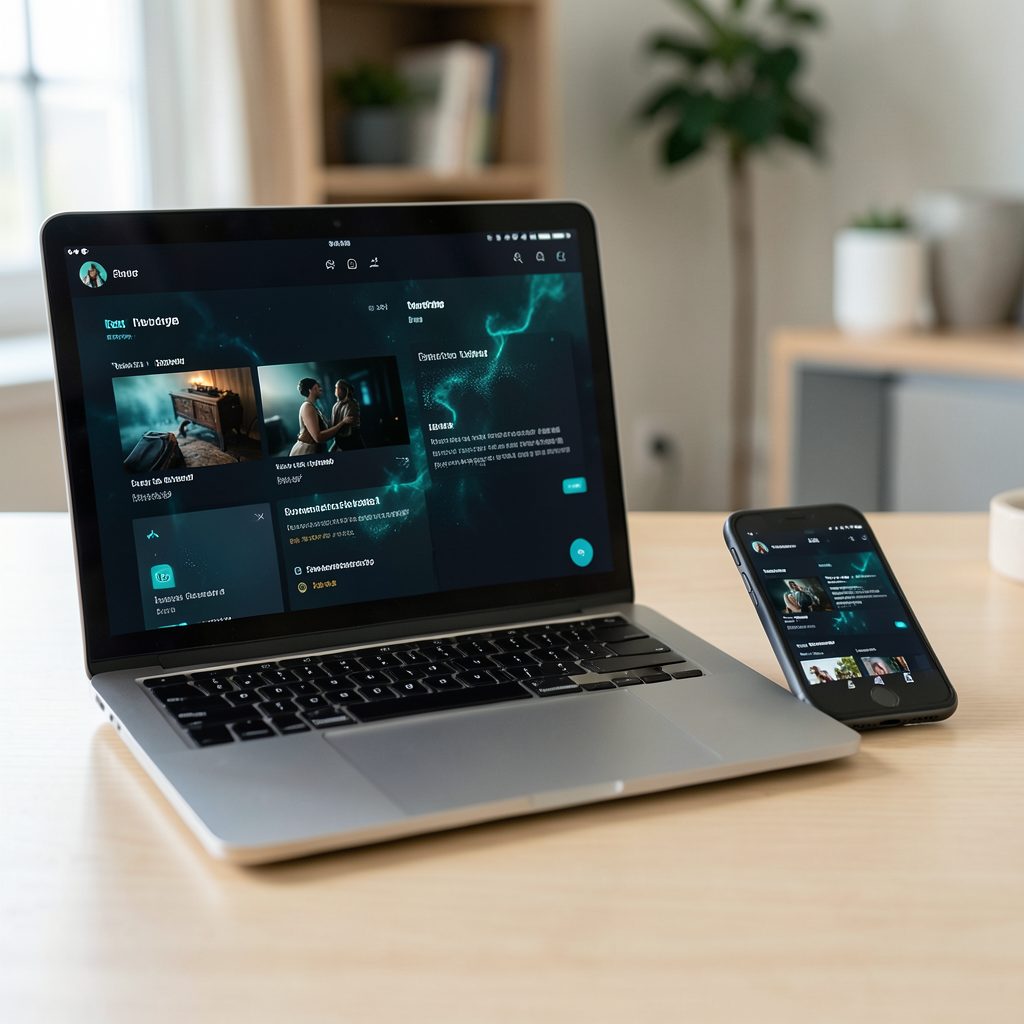
How to stream Popcorn Time on a TCL Smart TV
Popcorn Time is designed as a torrent-based streaming application, so watching it on a TCL Smart TV is different from installing a typical app from the television’s official store. The method depends on the operating system inside the TV, the Popcorn Time fork being used, and whether you want to run the app directly or play content from another device.
TCL televisions commonly use Google TV, Android TV, Roku TV, or, in some regions, Fire TV. These platforms have different app stores, casting tools, and file-management options. A setup that works on a TCL Google TV may be unavailable on a Roku model, while a Chromecast or HDMI connection can work across almost all TCL screens.
Before proceeding, check the copyright rules that apply where you live. Popcorn Time sources content through torrents, and availability does not establish that a movie or show may legally be streamed. Use the service only with content you are authorized to access, and consider licensed streaming platforms when they provide the title you want.
Check your TCL television platform
Start by identifying the operating system. Press the Home button and look for labels such as Google TV, Android TV, Roku, or Fire TV. You can also open Settings and check the device information, model number, and software version. This step matters because each platform handles installation and casting differently.
A TCL Google TV or Android TV model is generally the most flexible option for compatible third-party applications. It may allow installation from an Android package file, although the exact menu names vary by software version. Roku TV is more restricted: it does not normally support Android APK files, so direct installation of a Popcorn Time client is usually unavailable.
Fire TV models also use Android-based technology but have their own settings and app ecosystem. Some users may be able to install a compatible application through a downloader or file-transfer method, provided the software is trustworthy and lawful to use. Older TCL televisions may lack the processing power, storage, or current operating system needed for reliable playback.
Choose a playback method
There are three practical ways to watch Popcorn Time-related content on a TCL screen: install a compatible app on the television, cast from a phone or computer, or connect a streaming device or laptop through HDMI. Direct installation can be convenient, but it is the least consistent because forks differ in TV support and may stop working after an update.
Casting is often simpler. A phone, tablet, or computer handles the application and sends the video to the television. Google TV and Android TV models generally support Google Cast, while some TCL sets and mobile devices also support screen mirroring. AirPlay may be available on selected TCL models, particularly newer systems with Apple-focused features enabled.
An HDMI connection is the most dependable fallback when wireless playback is unstable. Connect a laptop or supported media device to the TV, select the correct HDMI input, and run the application on the connected device. This avoids compatibility problems caused by missing TV codecs, unsupported remote controls, or an outdated television app.
Prepare the network and account settings
Streaming through torrent technology requires a stable internet connection, especially when the selected video has few active peers. If possible, connect the television or source device to a 5 GHz Wi-Fi network or use Ethernet. Keep the router reasonably close to the TV, and pause large downloads on other devices while testing playback.
A wired connection is preferable for high-bitrate files and long viewing sessions. If the TV is in another room, a mesh Wi-Fi system or a better-positioned access point can help. Buffering can also result from a slow source, so changing the video quality does not always solve the problem.
Privacy deserves attention because torrent-based applications may expose network activity to peers. A VPN can hide your public IP address from other participants, but it does not make copyright infringement lawful or guarantee anonymity. Review the provider’s logging policy, supported protocols, device limits, and performance before relying on it. The service’s built-in proxy guidance can help explain how an included proxy option differs from a full-device VPN.
Install or cast from a compatible device
On a TCL Google TV or Android TV, first determine whether the selected Popcorn Time fork officially supports television use. A phone-only version may install but provide a poor interface, fail to recognize the remote, or display incorrectly on a large screen. Download software only from a source you trust, verify the file and publisher, and avoid modified packages that request unnecessary permissions.
If Android permits installation from outside the Play Store, the setting is commonly found under Apps, Security, or Special app access. Enable it only for the file manager or installer you are using, then disable the permission afterward. Avoid granting broad access to unknown applications, and keep the TV’s firmware updated before testing a sideloaded package.
Casting is usually less invasive. Install the compatible application on an Android phone, iPhone, tablet, or computer, then place the source device and TCL TV on the same local network. Open the cast or screen-mirroring control and select the television. A dedicated cast button generally produces better results than mirroring the entire display because the phone can remain available for other tasks.
If the app does not offer native casting, screen mirroring may still work, though protected video, advertisements, or unsupported codecs can cause a black image. Keep the mobile device awake and connected to power for longer sessions. With a laptop, an HDMI cable avoids wireless delays and gives you direct control over resolution and audio output.
Compare the available approaches
The best method depends on the TCL operating system, the devices already available in your home, and how much maintenance you are willing to accept. Direct installation gives the television a self-contained setup, while casting and HDMI shift the workload to a phone, computer, or external media player.
| Method | Best suited to | Main advantage | Common limitation |
|---|---|---|---|
| Direct Android TV installation | TCL Google TV or Android TV | No second screen is required | Fork compatibility and sideloading risks |
| Google Cast | TCL Google TV, Android TV, or Chromecast-connected sets | Easy control from a phone or tablet | Requires a compatible cast path |
| AirPlay or screen mirroring | Supported TCL models and Apple devices | Convenient for iPhone, iPad, or Mac users | Some apps block or disrupt mirroring |
| HDMI from a computer | Any TCL TV with a free HDMI port | Stable picture, sound, and controls | A computer must remain connected |
| External streaming device | Roku or restricted TCL models | Adds a more capable operating system | Extra cost and another remote |
For Roku-based TCL televisions, an external Chromecast, Google TV streamer, or computer is often more practical than trying to alter the Roku software. Roku’s channel system is controlled by the platform, and unsupported third-party APK installation is not a normal feature. A streaming stick can also provide updated hardware when the built-in TV processor is slow.
Whichever method you choose, use a legitimate source for the video and confirm that the stream is authorized in your region. A VPN may improve privacy on an untrusted network, but it should not be treated as a way to bypass licensing restrictions or geographic controls imposed by a service.
Fix common playback problems
If the TV does not appear in the cast list, confirm that both devices are connected to the same Wi-Fi band and network. Guest networks often prevent local device discovery. Restart the television, mobile device, and router, then check whether casting is enabled in the TV’s settings. Updating Google Cast, AirPlay, or the television firmware can also restore missing discovery features.
Buffering usually points to a combination of source availability, network congestion, and video quality. Try a lower resolution, choose a source with more active peers, or move the source device closer to the router. If other streaming services play smoothly while Popcorn Time stalls, the issue may be the torrent source rather than the TCL television.
No sound may result from an audio format the TV cannot decode. Set the source device to stereo or PCM output, or connect the source to a receiver that supports the selected format. For an HDMI setup, test another cable and confirm that the TV is using the correct input. A black screen during mirroring can indicate application-level restrictions rather than a hardware fault.
Apps installed outside the official store may disappear after a system update or fail to launch when their supporting services change. Remove unused packages, clear the app cache, and keep adequate storage available. If the application repeatedly crashes, use casting or HDMI instead of weakening the TV’s security settings.
Keep the setup private and lawful
A TCL television is only one part of the viewing chain. The application, content source, network, VPN or proxy, casting protocol, and audio equipment can all affect performance and privacy. Use strong Wi-Fi encryption, update every device, and avoid entering payment details or personal credentials into unofficial applications.
Review the permissions requested by any Popcorn Time fork before installation. A media player should not need access to contacts, text messages, or unrelated accounts. Downloading from random mirrors can expose the TV or phone to malware, so verify publisher information and scan files where possible.
For regular viewing, licensed streaming services offer more predictable support, subtitles, parental controls, and picture quality. They also work more reliably with TCL’s built-in operating system. If a particular title is unavailable, check whether it can be rented, purchased, borrowed through a library service, or watched through an authorized broadcaster.
Practical setup recommendations
- Identify whether the TCL TV uses Google TV, Android TV, Roku, or Fire TV before installing anything.
- Prefer official app stores, reputable software sources, and applications with clear privacy policies.
- Use Google Cast, AirPlay, or HDMI when direct TV installation is unavailable or unstable.
- Connect through Ethernet or a strong 5 GHz network for demanding high-definition playback.
- Treat VPN and proxy tools as privacy measures, not permission to access unlicensed content.
A dependable TCL setup usually comes from matching the playback method to the television platform instead of forcing one application onto every model. Google TV and Android TV provide the most flexibility for compatible software, Roku models often work better with casting or an external streamer, and HDMI remains a reliable solution when wireless features fail.
Check the TV’s operating system, test the least invasive method first, and keep the source device and television updated. For any movie or series, verify that you have the legal right to stream it before pressing play, then use the method that delivers stable video, clear audio, and sensible privacy protection.