How to Stream Popcorn Time on a TCL Roku TV
Popcorn Time is designed primarily for phones, computers, and some Android-based streaming devices. A TCL Roku TV uses Roku OS, which has a different app system and generally does not allow users to install Android APK files directly. As a result, the practical way to watch Popcorn Time on a Roku television is to run it on another compatible device and send the picture to the TV.
There are several ways to do this. Android screen mirroring, Apple AirPlay, Windows wireless display, Chromecast-compatible hardware, and a simple HDMI cable can all connect a source device to the television. The best choice depends on your phone or computer, the Roku model, your home network, and the features enabled in Roku OS.
Before setting anything up, remember that Popcorn Time forks can differ significantly. Some are abandoned, some contain intrusive advertising or unwanted software, and some index material that may be copyrighted. Use the Popcorn Time guide to identify the software you are dealing with, and only stream content you are legally entitled to access in your location.
What Roku TV Supports
A TCL Roku TV does not normally offer a native Popcorn Time channel. Roku channels are distributed through the Roku platform, and applications built for Android, Windows, or Linux cannot simply be copied to the television. Searching the Roku Channel Store for an APK or attempting to install an unofficial package will not provide a normal solution.
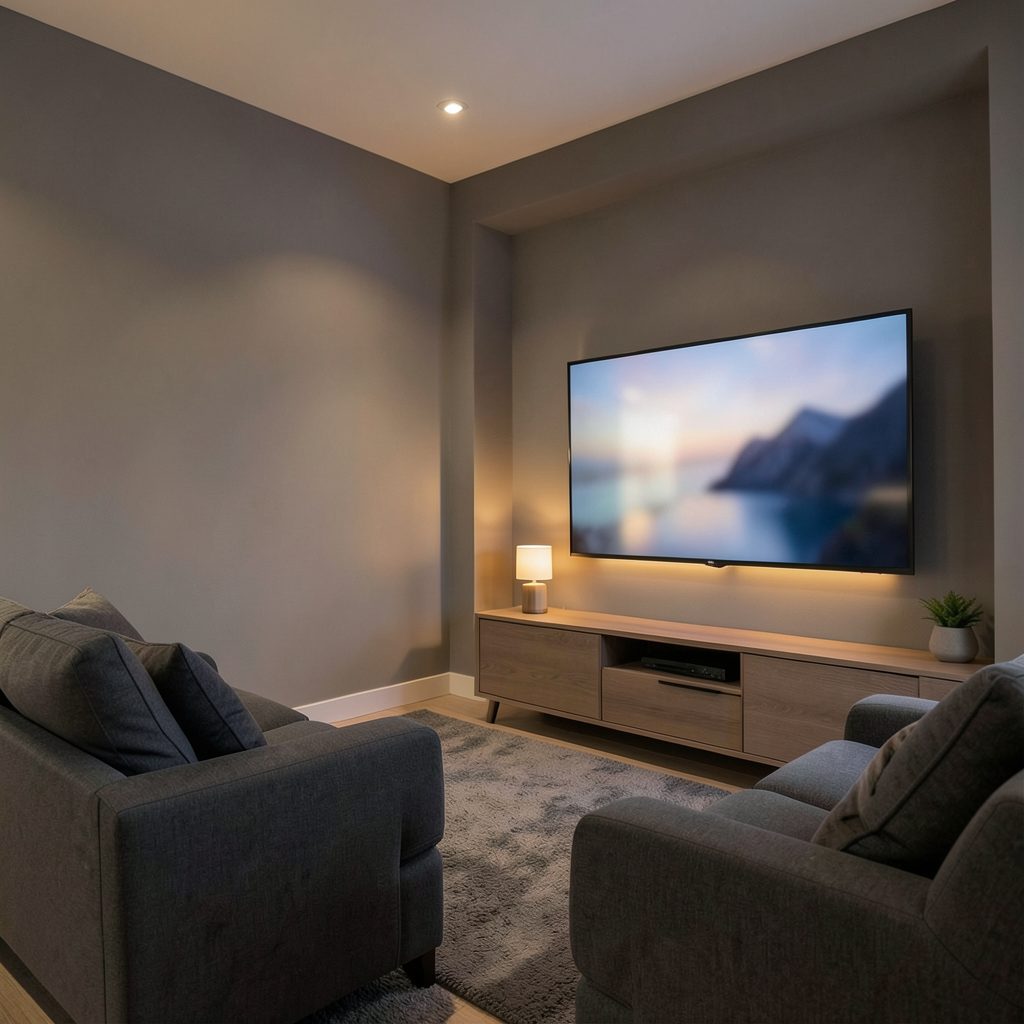
The television can still act as a large display for a supported device. Roku televisions commonly include screen mirroring for compatible Android and Windows hardware, while many newer models support AirPlay 2. The exact menus and capabilities vary by television model and Roku OS version, so check the TV’s Settings menu before choosing a method.
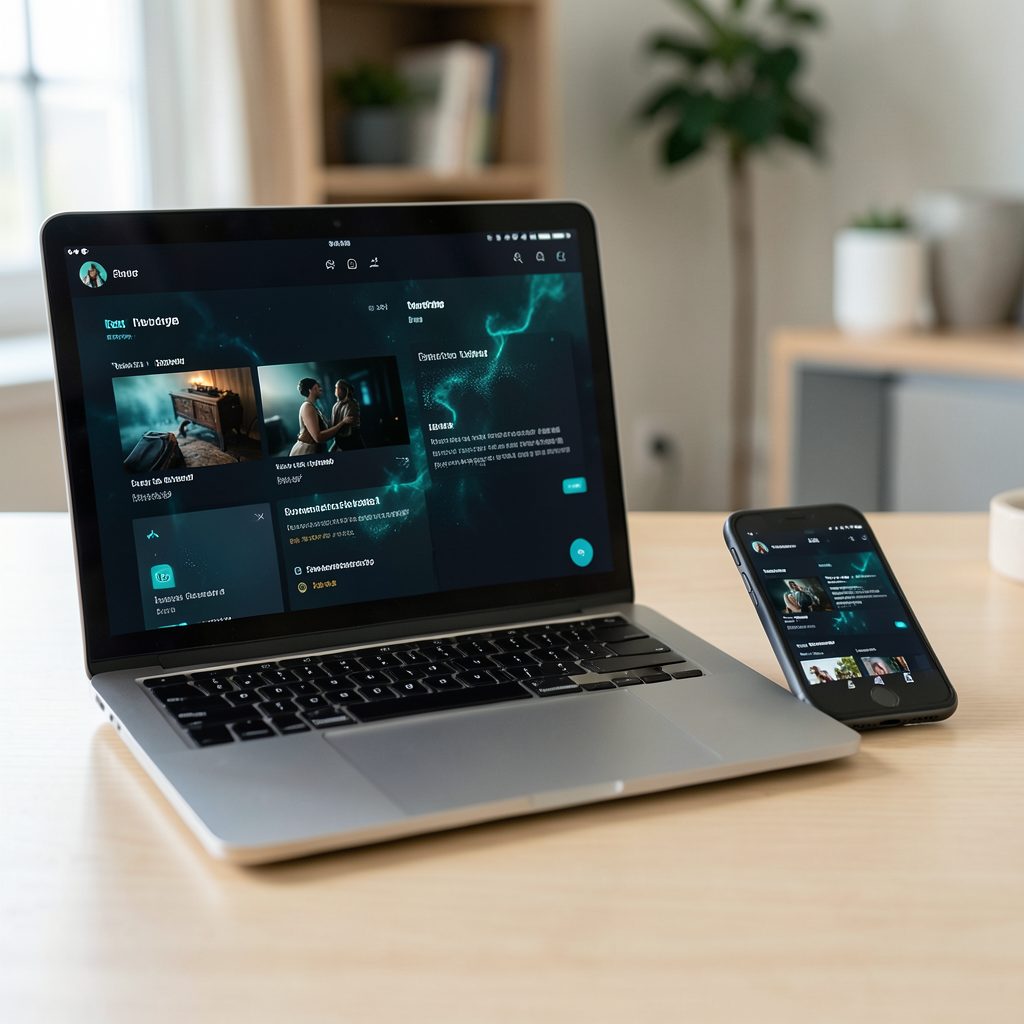
Your source device does the demanding work. It runs the streaming application, retrieves the video, decodes the file, and sends the image and audio to the TCL TV. This arrangement also means that closing the application, locking the phone, or losing the wireless connection can stop playback.
Choose A Connection Method
Android screen mirroring is often the simplest wireless option when the phone or tablet supports Miracast or a similar Roku-compatible feature. It mirrors the entire screen, so notifications and other applications may become visible. A dedicated casting feature inside an app can be cleaner, but Popcorn Time forks do not all support the same casting standards.
AirPlay is useful for people with an iPhone, iPad, or Mac, provided the TCL Roku model and software version support it. AirPlay may send video directly or mirror the whole screen. Windows users can try Wireless Display or connect with HDMI, while Mac users can use AirPlay or a physical adapter.
A wired HDMI connection is usually the most predictable choice. It avoids wireless interference, keeps the source device connected at a stable video link, and works even when the Roku TV’s mirroring support is limited. The tradeoff is that the computer, phone, or streaming stick remains physically connected to the television.
Compare The Available Options
Each method has different requirements and limitations. Wireless mirroring is convenient for occasional viewing, while HDMI is preferable when you want consistent playback over a long film. A separate Chromecast or Google TV device may also be useful, but it does not change the copyright or security responsibilities associated with the content source.
Use the following comparison to select a suitable route before troubleshooting. The listed features can vary by TCL model, Roku firmware, phone manufacturer, and the Popcorn Time fork installed on the source device.
| Method | Source device | Main requirement | Strength | Common limitation |
|---|---|---|---|---|
| Android screen mirroring | Compatible Android phone or tablet | Roku screen mirroring enabled | Quick wireless setup | Notifications, lag, and battery drain |
| AirPlay | iPhone, iPad, or Mac | AirPlay-supported TCL Roku TV | Convenient Apple integration | Model and app compatibility vary |
| Windows wireless display | Windows laptop or desktop | Compatible wireless display hardware | No cable required | Audio or latency problems may occur |
| HDMI | Laptop, desktop, or phone adapter | HDMI input and suitable cable | Stable image and sound | Source device must stay connected |
| External streaming device | Chromecast, Google TV, or similar hardware | Separate device and compatible app | May offer better casting support | Extra cost and setup |
Mirror From An Android Device
Start by placing the Android phone or tablet and TCL Roku TV on the same Wi-Fi network. On the television, open Settings, find the System or Screen Mirroring area, and select the option that permits connections. Some Roku versions allow every connection, while others display a prompt whenever a new device requests access.
On Android, open the quick settings panel and look for a feature called Cast, Smart View, Screen Cast, Wireless Display, or a similar manufacturer-specific name. Select the Roku TV from the available devices and approve the connection on the television if prompted. The Android display should then appear on the larger screen.
Open the Popcorn Time application only after the mirror is active. Set the phone to landscape orientation, adjust the TV input and volume, and keep the handset awake during playback. If the application shows a black screen while menus remain visible, its video renderer may block mirroring; try another supported source device or use HDMI instead.
Wireless mirroring works best when the router is close to both devices and the source uses a strong 5 GHz connection. If the phone is performing other downloads or the Wi-Fi network is crowded, video may pause even when the TV itself has a fast internet connection. The source device’s connection matters because it is receiving and relaying the stream.
Use AirPlay, Windows, Or HDMI
For AirPlay, confirm that both devices are on the same local network. On a supported TCL Roku TV, open the Apple AirPlay and HomeKit settings and enable AirPlay. On an iPhone or iPad, open Control Center, select Screen Mirroring, and choose the television. A Mac usually provides the same function through the Control Center or menu bar, depending on the macOS version.
Some video applications can send media through an AirPlay button, while others only mirror the display. Direct AirPlay playback may use fewer phone resources, but it depends on the application and video format. If the TV appears in the AirPlay list but playback fails, screen mirroring or HDMI may provide a more dependable fallback.
Windows laptops can use the Connect or Cast function to send the desktop to a compatible Roku television. Press the appropriate Windows shortcut for wireless display, select the TCL TV, and accept the request on the television. Hardware drivers, graphics settings, and network discovery must all work correctly, so Windows wireless display is not equally reliable on every laptop.
For HDMI, connect the source device to an available HDMI port and switch the TCL TV to that input. A laptop usually needs only a suitable HDMI cable, while a phone may require a USB-C-to-HDMI or Lightning-to-HDMI adapter. Choose an adapter that supports the desired resolution, connect power to the phone when possible, and use the television remote for volume control.
Fix Buffering And Connection Problems
Buffering can come from several points in the chain: the source application, the torrent swarm or content provider, the home network, the mirroring protocol, or the television itself. Test another lawful video on the same source device to determine whether the issue is specific to Popcorn Time or affects all playback.
If the picture stutters, move the router closer, disconnect unnecessary devices, and reduce the source video resolution. A wired Ethernet connection to the computer or streaming device can improve stability, although the TCL TV may still receive the final picture over Wi-Fi. Restarting the source application and Roku TV can also clear temporary connection failures.
Audio delay is common with wireless mirroring because the image and sound travel through separate processing stages. Lowering the video quality, closing background applications, and keeping the phone near the router may reduce the delay. HDMI generally produces better synchronization, especially for high-resolution content.
When a Roku TV does not appear as a destination, verify that screen mirroring or AirPlay is enabled, both devices use the same Wi-Fi network, and the television is not connected through a guest network. Corporate, hotel, and public Wi-Fi often isolate devices from one another, preventing discovery even when internet access works.
Protect Your Device And Respect Copyright
A VPN can encrypt traffic between a device and a VPN provider, but it does not make unauthorized streaming legal and cannot guarantee privacy from every application or website. It may also reduce speed, interfere with local-device discovery, or prevent a phone from finding the Roku TV. If you use one for legitimate privacy reasons, select a reputable provider and check whether local network access must be enabled.
Treat unofficial Popcorn Time downloads with caution. Avoid modified installers, suspicious browser extensions, requests for administrative access, and software that asks for unnecessary permissions. Keep the operating system, browser, security tools, and Roku firmware updated. Never enter banking credentials or reuse important passwords in an unverified streaming application.
Keep playback reliable and lawful by following these practices:
- Use a current, well-known version from a source you can verify.
- Stream only public-domain, licensed, or otherwise authorized content.
- Prefer HDMI when wireless mirroring causes lag or repeated disconnections.
- Keep the source device cool, charged, and connected to a stable network.
- Remove unfamiliar applications if the device becomes slow, redirects browsers, or displays unusual advertisements.
The most dependable setup is usually a laptop connected by HDMI, while Android mirroring and AirPlay provide greater convenience for short viewing sessions. Once the source device, Roku settings, and network are matched correctly, the TCL television can serve as a capable display without requiring a native Popcorn Time installation. Review the available setup information, choose content you are permitted to watch, and configure the connection that best fits your equipment.