Streaming Popcorn Time on a TCL Roku TV via a laptop
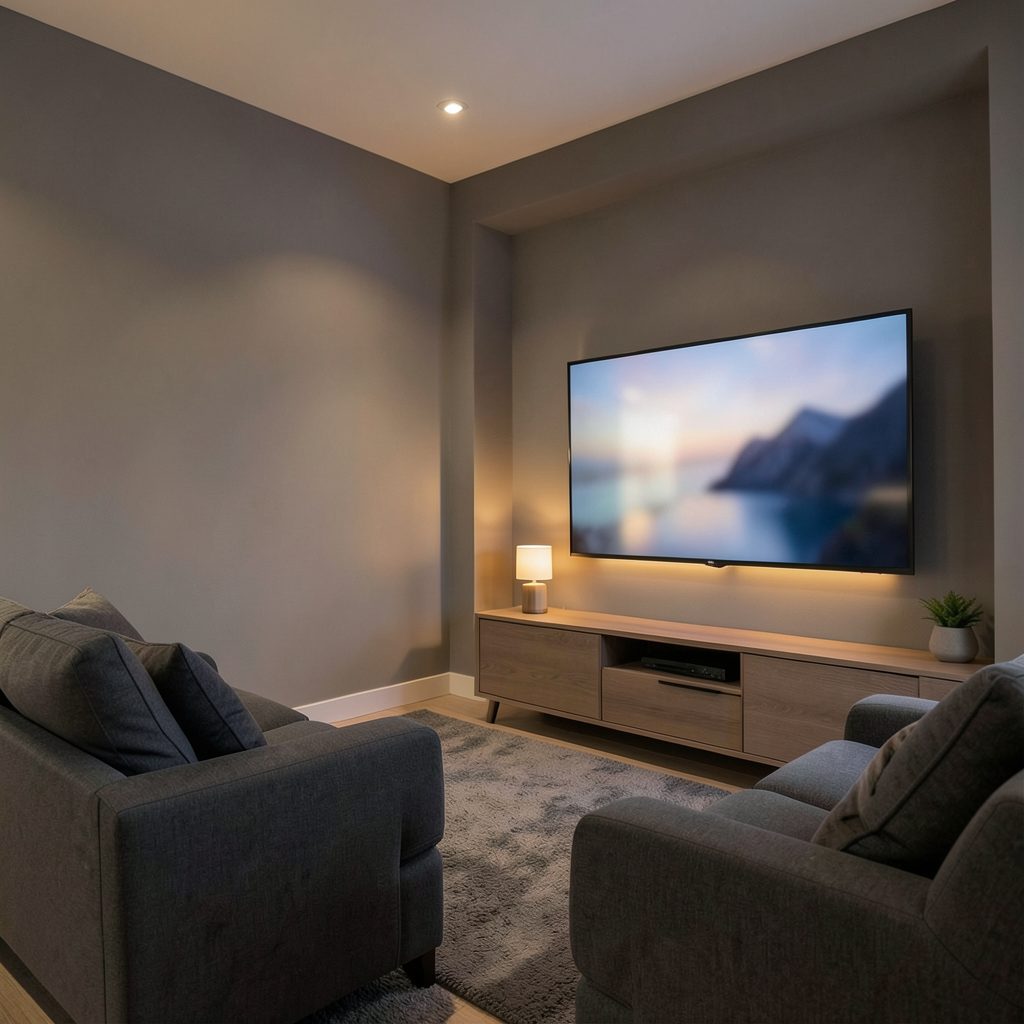
Australians love a good binge session, especially when the weather turns rubbish and the footy's not on. TCL's range of Roku-powered TVs has become a fixture in loungerooms from Perth to Brisbane, mostly because they deliver solid smart features without the price tag of a Samsung or LG. Pairing one with a laptop unlocks a few streaming options that don't ship on the Roku Channel Store, including the open-source media app that's been making waves for years. If you've been hunting for a simple way to get Popcorn Time onto the big screen without buying extra gear, hooking up a Windows or Mac notebook is a surprisingly straightforward path.
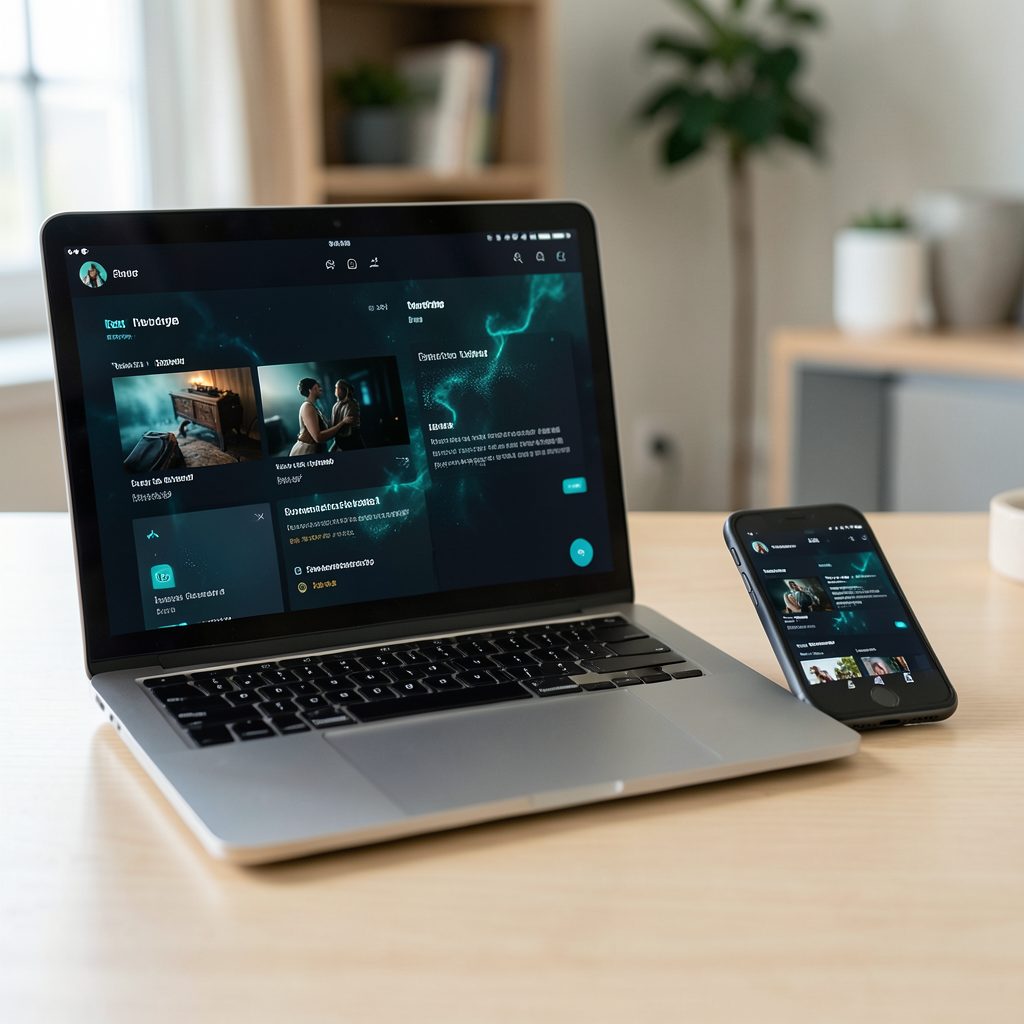
Most Aussie households have a laptop gathering dust somewhere in the house, whether it's a work-issue ThinkPad tucked away after hours or a MacBook used for uni assignments. That machine already has the horsepower to run Popcorn Time and can act as a bridge to the television, handling decoding duties while the TV sits back and displays the picture. This setup dodges the headaches of trying to sideload an app directly onto the Roku OS, which simply isn't designed for torrent-based streaming clients. The laptop method works whether you're rocking a fixed-line NBN connection in Melbourne or a fixed wireless plan out in regional Queensland.
The two main routes are a wired HDMI cable or a wireless mirror using AirPlay or Miracast. Wired is rock-solid and lag-free but tethers you to the couch. Wireless gives you the freedom to keep the laptop on your lap or bench, which is handy if you're also juggling subtitles, queueing up the next episode, or chatting on Teams for work. Both options are covered below, along with the little settings tweaks that make the picture and sound behave properly on a TCL panel.
Why a laptop is the simplest bridge for TCL Roku screens
Roku's operating system is locked down tightly. There's no sideloading, no APK installs, and the channel store is curated by the company itself. That means Popcorn Time, which isn't available as a public channel, can't be installed directly on the TV. Sending the feed from a laptop sidesteps the whole restriction because the Roku is simply mirroring what's on the notebook's display. The TV doesn't need to know what's playing; it just shows pixels.
This approach also keeps the heavy lifting where it belongs. Popcorn Time pulls content from torrents in real time, and that means your laptop's CPU, GPU, and network card are doing all the work. The Roku receives a finished video stream and renders it without breaking a sweat. Compared with trying to run Popcorn Time on a Chromecast or an Android TV box, the laptop method gives you a familiar desktop environment where you can easily change torrent providers, adjust cache settings, or close the app if the partner walks in mid-scene.
There's a privacy angle too. By keeping the application on your local machine, you can pair it with a reputable VPN client before any traffic leaves your network. Many Aussie ISPs, including the big boys like Telstra and TPG, have started throttling peer-to-peer connections during peak arvo hours, so a tunneled connection often improves both speed and reliability. The laptop just needs the VPN installed and connected, and everything mirrored downstream stays protected.
Gear you'll need before plugging anything in
Before diving in, gather a few bits and pieces. The basics are a TCL Roku TV (any recent model with screen mirroring support), a laptop running Windows 10/11 or macOS Monterey or later, and the Popcorn Time app installed and working on that laptop. For a wired hookup you'll also need an HDMI cable long enough to reach from the telly to wherever you plan to sit, plus a spare USB port if your laptop uses HDMI over USB-C and needs an adapter.
For a wireless mirror, make sure both devices are on the same Wi-Fi network. This is where the realities of Australian broadband creep in. Most fixed-line NBN plans deliver somewhere between 25 and 100 Mbps, which is plenty for the laptop's own internet connection but won't help the mirroring speed between devices. Miracast and AirPlay actually use a peer-to-peer link on the local network, so a decent Wi-Fi signal at both ends is essential. If the router is hiding in the study down the hallway and the TV is in the back rumpus room, expect dropouts.
You'll also want to think about your data allowance. Plenty of Aussie plans still come with monthly caps, particularly the budget offerings from smaller ISPs. Streaming a 1080p movie over Popcorn Time can chew through 3 to 6 GB per session, and a weekend of catch-up viewing will easily blow past a 200 GB cap. Check your plan details on the TPG, Aussie Broadband, or iiNet portals before settling in for a marathon.
Plugging in with HDMI
Wired mirroring is the lowest-fuss option. Turn off the TCL Roku TV, plug one end of the cable into a free HDMI port on the back or side of the panel, and the other end into your laptop's HDMI output. If your laptop only has USB-C, grab a USB-C to HDMI adapter or dock — Anker and UGreen sell reliable ones for under forty bucks at JB Hi-Fi. Power the TV back on, press the Input button on the Roku remote, and select the matching HDMI port from the list that pops up.
Your laptop should detect the external display within a few seconds and duplicate the screen. If it doesn't, hit Windows+P on a PC to bring up the projection menu and pick Duplicate, or open System Settings → Displays on a Mac and tick Mirror Displays. From there, launch Popcorn Time and start a title. The picture should fill the TV, and audio will route through the HDMI cable by default.
A wired connection delivers the cleanest signal and the lowest latency, which matters during the opening credits when Popcorn Time is still buffering the torrent swarm. You'll also avoid the wireless quirks that plague older routers, especially the all-in-one modem-router combos issued by Telstra and Optus that struggle with simultaneous streams. The trade-off is a literal cable tying you to the TV, but for a quiet Saturday arvo indoors, that's rarely a problem.
Going wireless with AirPlay and Miracast
If cables aren't your style, TCL's Roku TVs come with native AirPlay 2 and Miracast support baked in. On a Mac, click the Control Centre icon in the top-right of the screen, choose Screen Mirroring, and select the Roku TV from the list. The connection happens within a few seconds and the desktop appears on the big screen. From there, open Popcorn Time in fullscreen and the TV handles the rest.
Windows users get a similar feature through the Connect app. Hit Win+K to open the Connect panel, and any compatible Roku TV on the same network will appear. Select it, accept the prompt on the TV, and the mirror is live. Performance varies depending on the laptop's Wi-Fi chipset. Intel AX200 and AX210 cards tend to hold a stable mirror at 1080p, while older 2x2 MIMO adapters can struggle and drop frames during action-heavy scenes.
There's also the option of using the official Roku mobile app for casting, though it won't mirror your whole screen — only specific supported content. For Popcorn Time, the AirPlay or Miracast routes are the way to go. If you're weighing up other open-source media solutions, this detailed cord-cutter comparison walks through the trade-offs between the app and Kodi.
Tuning picture and sound for the big display
Once the mirror is running, a few tweaks will make the experience feel less like a stretched desktop and more like a proper cinema session. On the laptop, set the resolution to match the TCL panel's native resolution — usually 1920×1080 for the entry-level models and 3840×2160 for the 4K lineup. Mismatched resolutions cause blurry text and uneven scaling. On Windows, right-click the desktop, choose Display Settings, and pick the recommended resolution. On a Mac, head to System Settings → Displays and select Default for display.
Audio is the next thing to sort. By default, sound will travel across the HDMI cable or wireless mirror, but some TVs introduce a slight lip-sync delay that drives viewers mad. Open Popcorn Time's settings menu and check for an audio delay slider. If subtitles are slightly out, the same panel usually lets you nudge them forward or back by hundredths of a second. The Roku remote's Settings → Audio menu also has a Lip Sync option that can help on some models.
If you're running Popcorn Time through a VPN for privacy reasons, watch for CPU usage. VPN encryption adds load, and on older laptops with fans that whinge like a budgie in a sock drawer, the extra heat can trigger thermal slowdown. Place the laptop on a hard surface, lift the back slightly for airflow, and consider lowering the in-app cache size if things start buffering.
Sorting out the usual playback gremlins
Black screen on the TV but sound still plays? That's a resolution mismatch. Force the laptop to mirror at 1080p and the picture should reappear. If the mirror keeps dropping every couple of minutes, check for interference from nearby devices — microwaves, baby monitors, and older Bluetooth speakers can all upset a 2.4 GHz wireless link. Switching the router to a 5 GHz SSID usually fixes it.
Buffering during playback usually points to either the torrent swarm being thin or the local network being congested. Switching VPN servers often helps, particularly during peak evening hours when Aussie networks get hammered. If your ISP issues copyright infringement notices — and the big three have been known to send them — keeping the VPN connected throughout the session is non-negotiable. Some users prefer to set the VPN to start automatically on system boot, which removes the chance of forgetting to enable it before firing up Popcorn Time.
Finally, if the TV simply refuses to show up in the screen mirroring menu, confirm that the Roku's AirPlay or screen mirroring setting is enabled under Settings → System → Screen Mirroring. On older TCL Roku TVs this menu is hidden under Apple AirPlay and HomeKit Settings. A quick reboot of both the TV and the laptop clears most lingering handshake issues, and the mirror usually pairs up cleanly on the second attempt.
Ready to give it a crack? Grab the latest build of Popcorn Time for Windows or macOS, follow the quick setup walkthrough, and you'll have it running on the TCL Roku TV through your laptop within a few minutes. Once the mirror is dialled in and a decent VPN is humming along, you've got a tidy big-screen streaming setup that didn't cost an arm and a leg.