
How to stream Popcorn Time on a Sony Smart TV
Popcorn Time is designed primarily for computers and mobile devices, while Sony Smart TVs use a television operating system with stricter app and playback requirements. That means watching content on a Sony Bravia is usually a matter of choosing the right connection method rather than installing the desktop application directly on the television.
The most practical options are casting from an Android phone, mirroring from a computer, using an external Google TV or Android TV device, or connecting a laptop through HDMI. The best route depends on your Sony TV model, the Popcorn Time fork you use, the available network, and whether the application supports Chromecast or another compatible playback protocol.
Popcorn Time and similar torrent-based services can involve copyrighted material. Check the laws that apply where you live, use legitimate sources when available, and understand that a VPN can improve privacy without making unauthorized streaming lawful. Avoid unofficial installers that request excessive permissions or attempt to modify the television system.
Check the Sony TV platform first
Sony televisions generally use either Google TV, Android TV, or an older Sony smart-TV platform. You can identify the system by opening the Home screen and checking the layout, settings menus, or the model information in the support section. Google TV and Android TV offer the widest range of compatible streaming and casting features.
A Google TV or Android TV model may include built-in Chromecast, Google Play access, Bluetooth, and screen-mirroring support. Older models may lack one or more of these features, even when they are marketed as smart televisions. Firmware updates can improve compatibility, so install the latest official Sony update before troubleshooting playback.
The TV and the source device should normally use the same home Wi-Fi network. A 5 GHz connection is preferable when the television and router are close enough, while a wired Ethernet connection can provide greater stability for high-bitrate video. Public Wi-Fi, guest networks, and routers with client isolation can prevent devices from discovering one another.
Use casting from a phone or computer
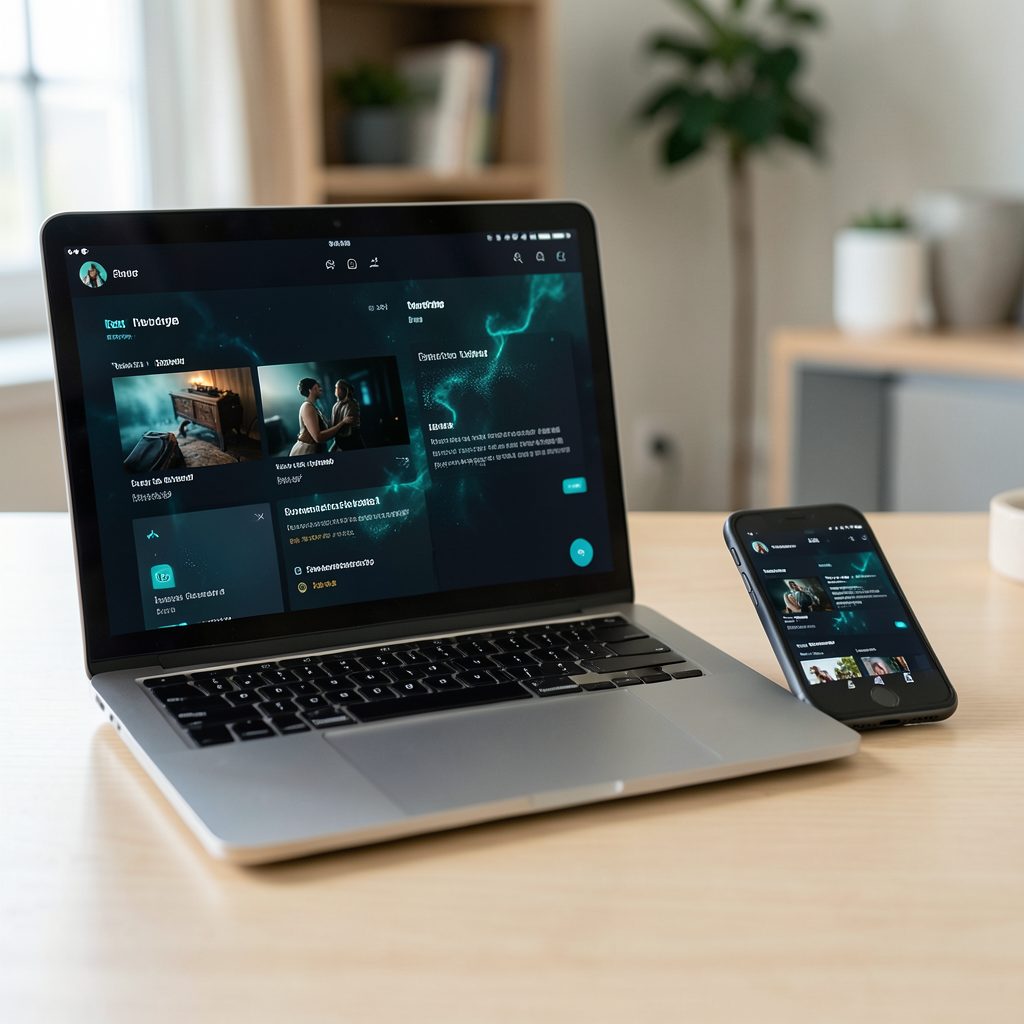
Casting is often the least complicated method. Install a compatible Popcorn Time application on an Android phone, tablet, Windows computer, or macOS device, then look for the cast icon inside the player. Select the Sony TV from the list and allow the connection if the television displays a permission request.
Casting and screen mirroring work differently. With true Chromecast casting, the TV or streaming device may retrieve the media stream itself, leaving the phone available for playback controls. Mirroring duplicates the source screen, so notifications, orientation changes, and other applications can appear on the television. Casting is usually smoother when the application supports it natively.
If the Sony TV does not appear, restart the application, confirm that both devices are on the same network, and disable any guest-network isolation setting. Some VPN configurations can also interfere with local device discovery. If privacy software is active on the source device, test local casting with the VPN temporarily disconnected, then review the provider’s LAN-access options before choosing a permanent setup. For users who need selective routing, this guide to VPN split tunneling explains how to separate local traffic from other connections.
Consider an external streaming device
A Chromecast with Google TV, compatible Android TV box, or another certified media player can add current casting and application features to an older Sony television. Connect the device to an available HDMI port, select that input, complete the initial setup, and connect it to the same network as the phone or computer running Popcorn Time.
External hardware is useful when the built-in Sony operating system is slow, no longer receives updates, or does not support the required casting protocol. It also separates streaming applications from the TV’s original software, making it easier to replace the player without replacing the television. Choose certified hardware with current security updates rather than an unknown box advertised with preloaded applications.
Some external devices allow Android applications to be installed manually. This process, often called sideloading, can work technically, but it carries additional risks. Popcorn Time forks differ in their file sources, permissions, interface, and playback engines. Only obtain software from a source you can verify, scan downloaded files, and avoid modified packages that promise premium catalogs or ad-free access.
| Method | What you need | Main advantage | Common limitation |
|---|---|---|---|
| Built-in Chromecast | Sony Google TV or Android TV and a compatible source app | Quick setup with minimal hardware | The application must support casting |
| Screen mirroring | Android, Windows, or supported laptop | Works when native casting is unavailable | Notifications and connection drops can affect viewing |
| HDMI connection | Computer and HDMI cable | Reliable video and audio quality | The computer must remain connected |
| Chromecast with Google TV | External device and HDMI port | Adds current software to older TVs | Requires another remote and power supply |
| Android TV media player | Certified box or stick | Flexible application support | Sideloaded apps may create security and legal risks |
Connect a computer with HDMI
An HDMI cable is the most predictable solution when wireless streaming is unreliable. Connect the computer to the Sony TV, choose the matching HDMI input, and set the television as the display output in Windows or macOS. The Popcorn Time window can then be moved to the TV and expanded to full screen.
For the best results, use a recent HDMI cable and select the television’s native resolution. If the picture is visible but there is no sound, open the computer’s audio settings and choose the Sony TV or HDMI output. On Windows, pressing the display-switch shortcut can help select duplicate or second-screen-only modes.
HDMI avoids local network discovery problems and is less affected by wireless congestion. It can still be limited by the computer’s playback performance, cable length, or digital rights management conflicts. Keep the laptop connected to power during long sessions, and use a wired network connection when Wi-Fi cannot maintain a steady stream.
Install cautiously on supported television systems
Direct installation on a Sony TV is possible only when the operating system and application package are compatible. Google TV and Android TV may accept Android application packages, but a mobile or desktop Popcorn Time build is not automatically suitable for a large screen. An app can install successfully and still lack remote-control navigation, proper scaling, or a compatible video decoder.
Before attempting installation, check whether the specific Popcorn Time fork lists Android TV or Google TV support. Do not assume that an APK found through a search engine is genuine. Review the publisher, file signature where available, permissions, release history, and community reports. A package that asks for contacts, accessibility control, payment details, or unrelated system privileges should be treated as suspicious.
Enable installation from unknown sources only for the specific file manager or browser that needs it, and disable that permission afterward. Remove applications that behave unexpectedly, display intrusive overlays, or continue running after playback ends. The safest television setup is usually one based on official app stores, casting, HDMI, or a reputable external player rather than permanent sideloading.
Improve picture, sound, and playback stability
Buffering can result from several points in the chain: the source stream, the Popcorn Time fork, the home network, the TV’s wireless signal, or the receiving device. Begin by testing a legitimate high-quality stream or local video file to determine whether the problem is general network performance or specific to the application.
Keep the TV within good range of the router, reduce congestion from large downloads, and pause other high-bandwidth activity. If the player offers quality controls, select a resolution that matches the connection instead of forcing the highest available option. A stable 1080p stream is generally preferable to an intermittently buffering 4K stream.
Audio problems may be caused by unsupported codecs or a mismatch between the source device and the TV. Switching from surround sound to stereo can restore audio on older Sony models and soundbars. If subtitles appear too small or fail to load, check the player’s subtitle settings and test a different file format. Avoid installing separate codec packs on the TV unless the manufacturer specifically supports them.
Practical setup recommendations
- Prefer Chromecast, HDMI, or a certified external player over unverified direct APK installation.
- Update the Sony television, source device, casting application, and router before diagnosing playback errors.
- Keep the TV and source device on the same private network, avoiding guest Wi-Fi where device discovery may be blocked.
- Use a VPN only with a clear understanding of local law, provider policies, connection effects, and the difference between privacy and permission.
- Remove unofficial applications that request unnecessary access or cannot be traced to a credible publisher.
Respect legal and privacy requirements
Popcorn Time uses torrent-based technology, which can upload and download data while content is playing. That behavior differs from many ordinary streaming platforms and may expose a user’s network address to other peers. The legal consequences vary by country and by the material accessed, so review current local rules instead of relying on general claims about streaming or VPNs.
A privacy service may encrypt traffic between the device and the VPN server, but it does not verify the legality of a title, remove copyright obligations, or guarantee anonymity. Read the provider’s logging policy, supported protocols, device limits, and local-network behavior. A poorly configured VPN can also prevent Chromecast discovery or reduce streaming speed.
Keep personal accounts and payment information away from questionable applications, and do not grant administrative access without a clear reason. Official Sony software, reputable streaming services, and legally obtained media provide a safer foundation for a home entertainment system. When Popcorn Time cannot play reliably or legally in a particular setup, switching to an authorized service or personal media library is the responsible alternative.
A Sony Smart TV can display Popcorn Time content through several routes, but the most dependable approach is usually casting from a compatible device or using HDMI. Confirm the TV platform, keep both devices on the same network, and treat sideloading as an exception that requires careful verification. Use the setup guidance on this site to compare Popcorn Time forks, troubleshoot playback, and evaluate safer streaming options before connecting your television.