
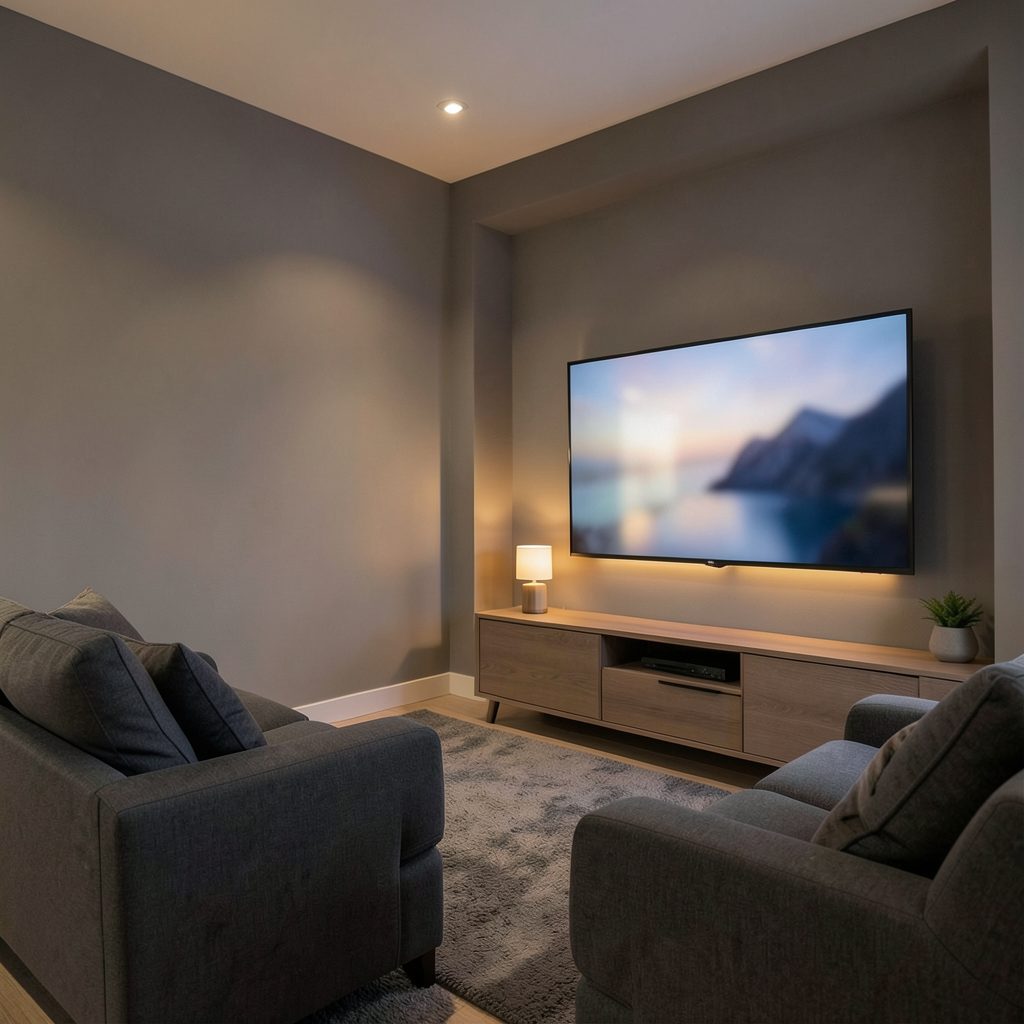
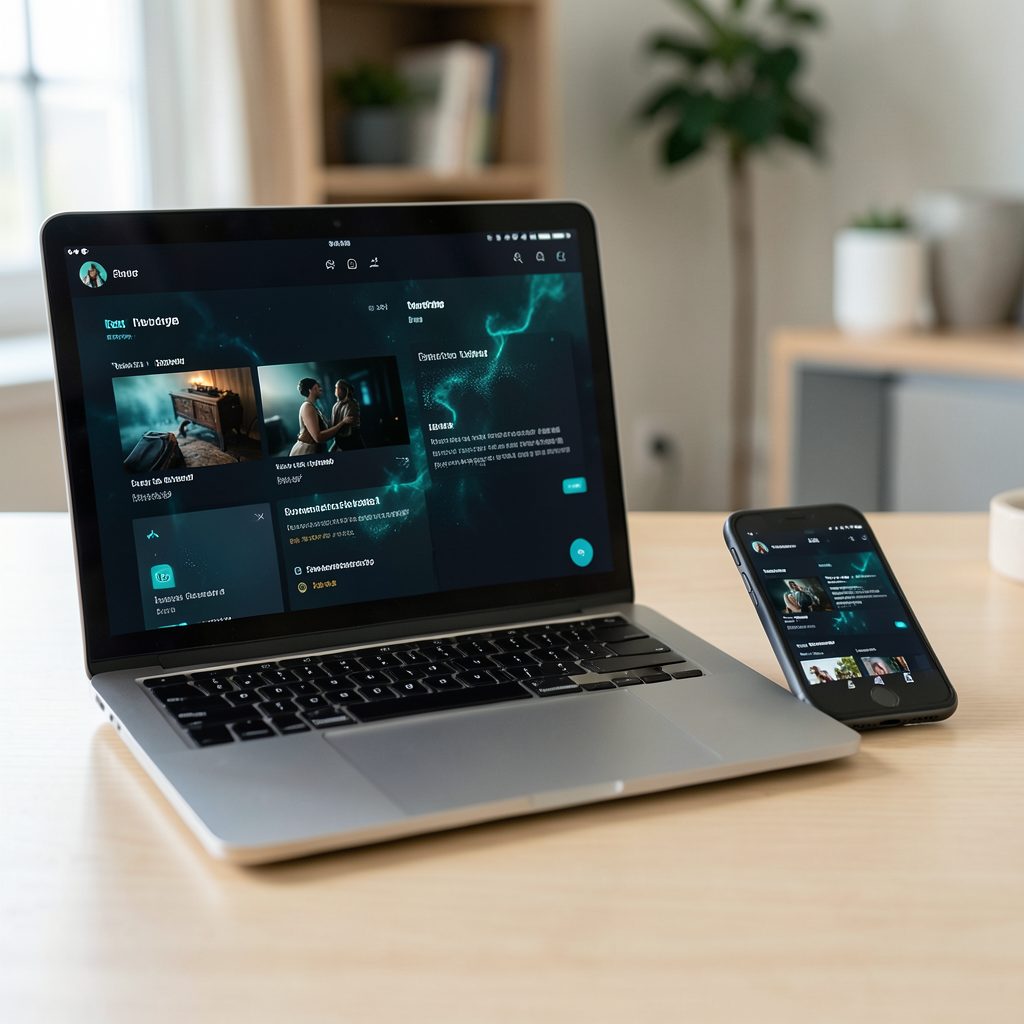
How to Stream Popcorn Time on a Sharp Smart TV
Popcorn Time is designed primarily for computers, phones, and selected streaming devices rather than every smart television. Sharp televisions also use several different operating systems, so the right playback method depends on whether the model runs Android TV, Google TV, Roku TV, or Sharp’s own smart platform.
The most practical approach is usually to run the compatible Popcorn Time client on a computer or mobile device and send the video to the television. Some Sharp models support Chromecast, AirPlay, or screen mirroring, while others may work better with an HDMI connection or a separate streaming box.
Before setting anything up, check the copyright rules that apply in your country. Popcorn Time commonly uses peer-to-peer technology, and the legality of a title depends on its distribution rights and your local law. Use the service only for content you are authorized to access.
Check the Sharp TV platform first
Find the television’s operating system in the settings menu, on the product box, or in the model documentation. A Sharp Android TV or Google TV generally offers the widest range of casting and app options. A Roku TV provides strong support for compatible mobile and desktop casting, although it may not allow direct installation of unofficial applications.
Some Sharp Aquos models use a proprietary platform with fewer third-party apps. These sets can still display Popcorn Time playback through HDMI, DLNA, AirPlay, or a supported casting receiver, but the application itself may not install on the television. The model number matters because two Sharp televisions sold in different regions can have different software.
Update the TV firmware before testing playback. Also confirm that the television and the sending device are connected to the same home network. A guest Wi-Fi network, VPN routing, wireless isolation, or an overloaded router can prevent discovery even when both devices appear to have internet access.
Choose a playback method that matches your model
Casting is the simplest option when the Sharp TV includes Chromecast built-in or supports Google Cast. Start the authorized video on a compatible Android phone, tablet, Chrome browser, or desktop client, then select the cast icon and choose the television. The sending device normally acts as a remote control while the TV retrieves or receives the stream.
AirPlay is useful with an iPhone, iPad, or Mac if the Sharp model supports AirPlay 2. Open the playback source, use the AirPlay menu, and select the TV. If the application does not offer native AirPlay, full-screen mirroring may work, although it can use more battery and may show the mobile device’s interface around the video.
An HDMI cable remains the most dependable solution. Connect a computer to an available HDMI port, select that input on the Sharp TV, and use the computer to control playback. HDMI avoids many compatibility problems involving codecs, casting permissions, and unsupported television applications. It is also a good fallback when wireless video stutters.
DLNA can help when the TV and media source support the same network playback standards. A computer or media server can share a permitted video file, and the Sharp TV can browse it through its media player. Devices that use DLNA can have different format requirements, so a file may appear in the library but fail to play. Guidance on sending compatible media to another network device is available in this DLNA playback guide.
Compare the main connection options
Each method has different requirements. A wireless option is convenient, but a wired connection usually offers steadier performance and fewer interruptions. The table below summarizes what to expect from each approach.
| Method | What you need | Strengths | Common limitations |
|---|---|---|---|
| Chromecast or Google Cast | Compatible Sharp TV or cast receiver and same Wi-Fi | Easy controls, little cable clutter | App and codec support can vary |
| AirPlay | AirPlay-enabled Sharp TV and Apple device | Smooth Apple integration | Some sources support mirroring only |
| HDMI | Computer, HDMI cable, and free TV port | Reliable picture and sound | The computer must remain connected |
| DLNA | Media server or supported computer and home network | Useful for local authorized files | Format and subtitle compatibility differ |
| Streaming box | Compatible Android TV, Google TV, or other device | Adds apps and regular updates | Requires another remote and HDMI port |
| Screen mirroring | Supported phone, tablet, or computer | Works when direct casting is unavailable | More latency, battery use, and possible scaling issues |
A streaming box can be a practical upgrade for an older Sharp television. Choose a device with current security updates, reliable casting support, and the applications you legally use. The box should connect directly to HDMI and can often provide a more consistent interface than the TV’s original software.
Set up casting from Android or Google TV
On a Sharp television running Android TV or Google TV, open the network settings and make sure Wi-Fi is active. Look for Google Cast, Chromecast built-in, or a similar receiver setting. Some models place the feature under system apps, connected devices, or input settings rather than in the main network menu.
Install the legitimate Popcorn Time client, where available, only from a source you trust and only use authorized content. Open the playback screen on the phone or computer, tap the casting icon, and select the Sharp TV. If the device does not appear, restart the application, check that both devices are on the same network, and temporarily disable network features that isolate clients from one another.
For local video files, a casting application may be easier than relying on Popcorn Time’s own player. Select a file from a permitted source, choose the Sharp TV as the destination, and keep the mobile device charged. Some casting systems transfer the stream directly to the television, while others mirror the screen, so performance can differ.
Use AirPlay, mirroring, or HDMI
AirPlay setup generally begins in the Sharp TV’s settings. Enable AirPlay or HomeKit if the option is available, and make sure the TV is connected to the same Wi-Fi network as the Apple device. On an iPhone or iPad, open Control Center and select Screen Mirroring or AirPlay. On a Mac, use the display or AirPlay menu to choose the television.
Screen mirroring can display almost anything visible on a phone or computer, but it is less efficient than native casting. Notifications may appear on the TV, the image can be reduced to fit a different aspect ratio, and protected content may show a blank screen. Use the device’s Do Not Disturb mode and keep it near the router when testing.
HDMI is often preferable for long films or high-resolution playback. Set the computer’s display resolution to a mode supported by the Sharp TV, such as 1080p or 4K where appropriate. If there is no sound, select the television or HDMI output in the computer’s audio settings and confirm that the TV is not muted.
Improve quality, privacy, and network stability
Streaming performance depends on more than the television’s advertised resolution. A crowded wireless channel, weak signal, or slow upload from a peer-to-peer source can cause buffering. Place the router in an open location, use the 5 GHz band when the TV is nearby, and consider Ethernet for a compatible TV, computer, or streaming box.
A VPN can encrypt traffic between your device and the VPN provider, which may be useful for general privacy on public or shared networks. It does not make copyright infringement lawful, and it may reduce speed or interfere with casting because the TV and sending device can appear on different networks. If casting stops working after enabling a VPN, check split-tunneling or local-network access settings, where legally and technically appropriate.
Keep the Sharp TV, streaming box, browser, and casting application updated. Avoid unofficial APK files, modified clients, and downloads that request unnecessary permissions. Peer-to-peer applications can expose connection information to other participants, so review privacy settings and understand what the software is doing before allowing network access.
A safer setup checklist
Use these practical checks before starting playback:
- Confirm that the selected movie or episode is legally available to you.
- Match the method to the Sharp TV’s operating system and available inputs.
- Put the TV and casting device on the same private home network.
- Prefer HDMI or Ethernet when wireless playback repeatedly buffers.
- Install software from reputable sources and keep the TV and streaming device updated.
Fix common Sharp TV playback problems
When the Sharp TV is missing from the cast list, restart the television, the router, and the sending device. Confirm that the TV is not connected to a guest network and that wireless isolation is disabled on the router. On Android or Google TV, check whether Chromecast built-in is enabled and updated.
If the video casts but stops after a few seconds, the source may use a codec the TV cannot decode, or the application may be attempting a direct connection that the network blocks. Try a lower resolution, a different authorized source, or HDMI. For local media, converting the file to a widely supported format such as H.264 video with AAC audio may resolve compatibility issues, provided you have the right to modify the file.
Audio and subtitle problems often come from the selected track rather than the television. Test another audio stream, verify the TV’s digital output setting, and check whether subtitles are embedded or delivered as a separate file. If the picture is cropped, adjust the TV’s aspect ratio or the computer’s display scaling instead of stretching the image inside the application.
Older Sharp models may not support current casting protocols at all. In that case, a supported external streaming device or a laptop connected through HDMI is usually more effective than trying to force an incompatible app onto the television. This also gives the setup access to newer security patches and playback standards.
Select the most reliable arrangement
For a recent Sharp Android TV or Google TV, direct Google Cast is usually the cleanest wireless option. For an Apple-centered home, AirPlay can provide similar convenience when the model supports it. A Sharp Roku TV may work well with compatible Roku casting features, but its application catalog and installation rules differ from Android-based televisions.
For older or restricted models, use HDMI or add a reputable streaming box. This separates streaming software from the television’s aging operating system and makes it easier to replace the playback device later. DLNA is suitable for authorized local files, although it requires more attention to file formats and network permissions.
Once the connection works, test a short video before starting a full-length film. Check image quality, audio synchronization, subtitles, and whether the TV remains discoverable after sleep mode. A small test can reveal network or compatibility problems without interrupting a longer viewing session.
Choose the simplest lawful setup that your Sharp TV can support, keep the software current, and treat privacy tools as security measures rather than permission to access copyrighted material without authorization. Begin with casting or HDMI, use DLNA for compatible local media, and reserve additional hardware for models that cannot handle modern playback features.