Stream Popcorn Time on Roku With Screen Mirroring
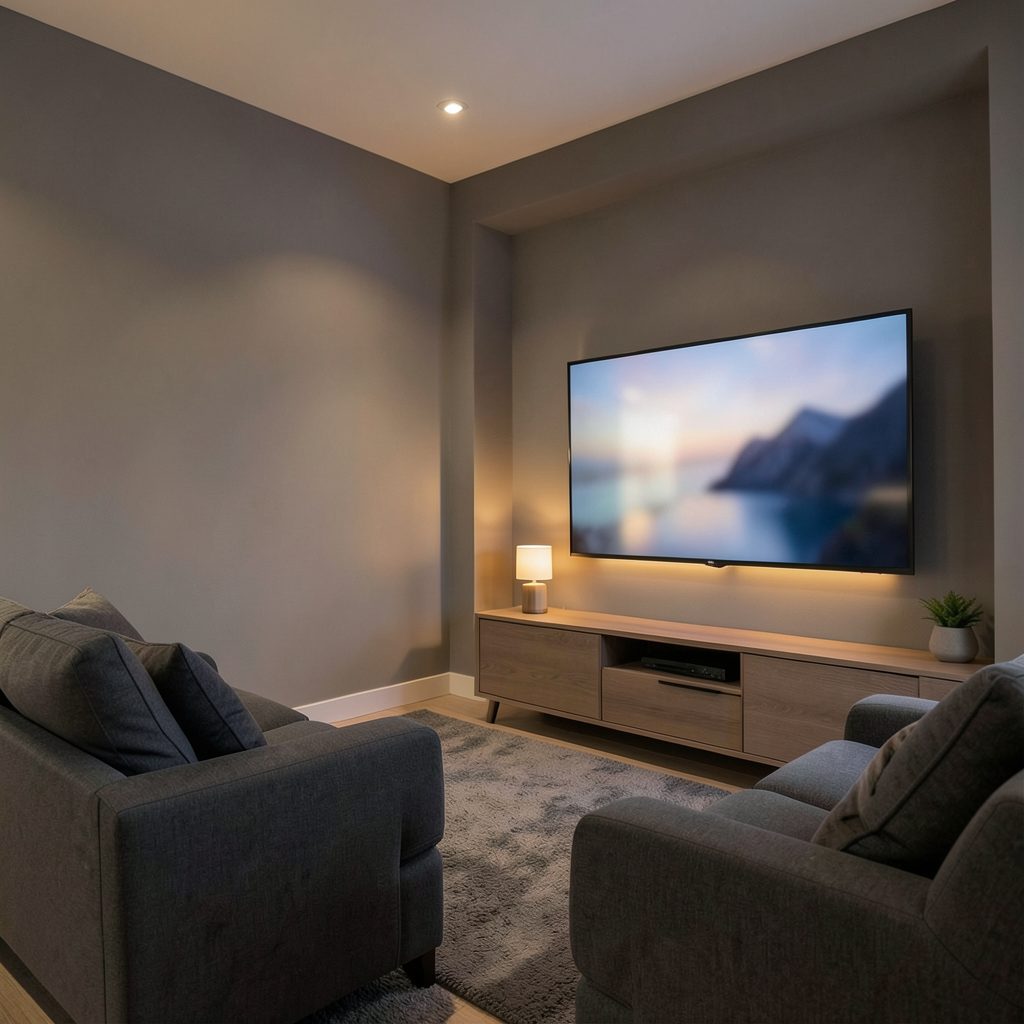
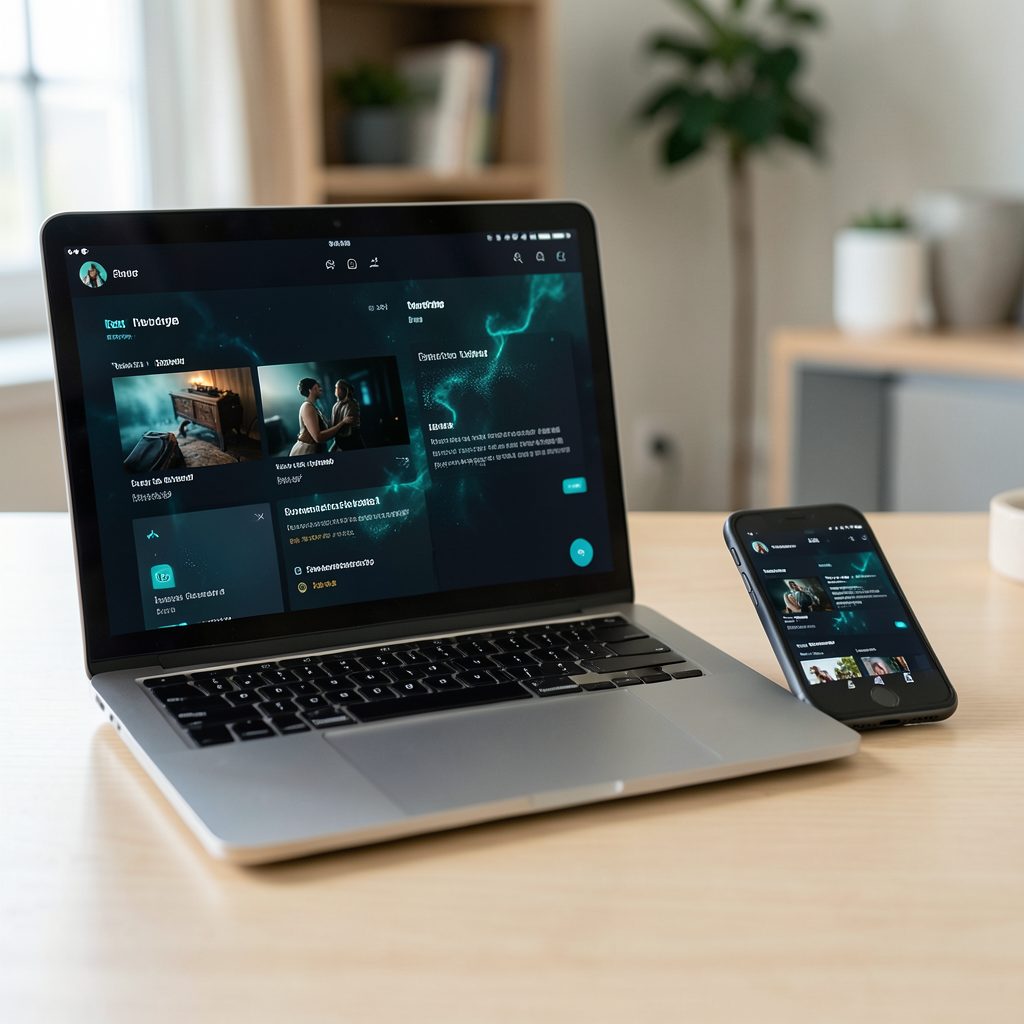
Roku is designed around approved streaming channels, so Popcorn Time usually cannot be installed as a native Roku app. The practical workaround is to run the service on another device and mirror that device’s display to the Roku over the same home network. Your phone, tablet, Windows computer or Mac becomes the playback source, while Roku sends the picture and sound to the television.
For viewers in Australia, this setup can be useful when a Roku has been imported or used with an Australian smart TV that lacks a suitable app. The experience depends on the Roku model, the operating system running Popcorn Time, Wi-Fi quality and the availability of AirPlay or screen mirroring features. Copyright rules also apply, so check that any content you access is authorised for streaming in Australia.
Check Roku And Network Compatibility
Start by checking whether your Roku supports screen mirroring, AirPlay or both. On the Roku home screen, open Settings, select System, and look for Screen mirroring. Some models show options such as “Prompt” or “Allow,” while others may place wireless display settings under Apple AirPlay and HomeKit.
AirPlay support is generally available on newer Roku players and Roku TV models. It is the simplest route for an iPhone, iPad or Mac, although compatibility varies by hardware and Roku software version. Android phones and Windows laptops commonly use Miracast-style screen mirroring instead. If the relevant menu is missing, the Roku may need a software update or may not support that connection method.
Both devices must be connected to the same local network. A normal home NBN connection is sufficient for internet streaming, but the wireless link between the source device and Roku is equally important. Avoid putting the phone on a guest network while the Roku is on the main network, as guest isolation can prevent the devices from discovering each other.
Prepare Popcorn Time On The Source Device
Install and launch a legitimate, trusted version of the application on the device you plan to mirror. Popcorn Time forks can differ substantially in interface, reliability, catalogue information and platform support. Avoid unofficial installers that request excessive permissions, display aggressive pop-ups or bundle unknown software.
An Android TV box may be a more convenient source than a small phone because it can remain near the television and use a wired connection where available. If you are comparing setups, this Mi Box setup guide explains the general arrangement for running Popcorn Time on an Android TV device before sending its output to a larger display.
Test playback on the source device before attempting to mirror it. Confirm that the title loads, subtitles appear correctly and the audio level is stable. If the application reports that no sources are available, the issue may concern the selected title or its torrent availability rather than Roku. A useful diagnostic is this seed troubleshooting guide, which covers common causes of stalled or unavailable playback.
Mirror From An Android Phone Or Tablet
On a compatible Android device, open the quick settings panel and look for Cast, Smart View, Wireless display or Screen share. The exact label depends on the manufacturer. Samsung phones generally use Smart View, while Google and other Android devices may use Cast or a similar term.
Tap the option, select the Roku from the device list and approve the connection on the television if Roku is set to prompt. Once connected, open Popcorn Time and start playback in landscape orientation. Keeping the phone plugged into power is sensible because continuous screen transmission can drain the battery quickly.
If the Roku does not appear, restart Wi-Fi on the phone and confirm that both devices are using the same network name. Disable mobile data temporarily if the phone keeps switching connections. Some Android models support Google Cast but not Miracast, and Roku devices may not accept every form of casting. In that case, a compatible HDMI adapter or a supported streaming box can be more dependable than repeated wireless pairing.
Use AirPlay From An Apple Device
For an iPhone or iPad, open Control Centre by swiping down from the upper-right corner, tap Screen Mirroring, and choose the Roku. Enter the passcode shown on the television when prompted. On a Mac, select the Control Centre in the menu bar, choose Screen Mirroring, and pick the Roku from the available devices.
AirPlay can mirror the entire display, which means notifications, incoming calls and other applications may appear on the television. Turn on a Focus mode, silence notifications and close unrelated apps before starting playback. This improves privacy and reduces interruptions during a film.
Some apps handle AirPlay differently. A video player may offer a dedicated AirPlay button, while another may only work through full-device mirroring. If the picture is black but the menus are visible, the app or video source may be restricting capture. That is a limitation of the software or content protection, not necessarily a fault with the Roku.
Mirror From A Windows Laptop Or Mac
A Windows laptop may connect through Project, Connect or Cast options, depending on the version of Windows and the wireless hardware. Press Windows + K to view available wireless displays, then select the Roku if it is listed. Set the projection mode to duplicate the screen, open Popcorn Time in its desktop application or browser window and play the selected title.
For a Mac, AirPlay screen mirroring works when the computer and Roku are compatible and connected to the same network. Open the Mac’s display controls, choose the Roku and select whether to mirror or extend the desktop. Mirroring is easier for watching a single film because the television shows the same image as the laptop.
A wired HDMI connection can be preferable in a flat in Brisbane, Perth or Adelaide where Wi-Fi coverage is uneven, or in a busy household where several people are using the network. It eliminates wireless discovery problems and usually reduces delay. If the laptop has only USB-C ports, use a suitable USB-C-to-HDMI adaptor rather than relying on an untested wireless receiver.
Improve Picture, Sound And Playback Stability
Place the Roku and source device within reasonable range of the router, particularly if the television sits at the far end of the house. If possible, use the 5 GHz Wi-Fi band for nearby devices and keep the router away from thick walls, large appliances and enclosed cabinets. In older Sydney terraces or concrete apartment buildings around Melbourne’s inner suburbs, signal loss between rooms can be noticeable.
Lower the video quality inside Popcorn Time if playback pauses or the image repeatedly drops to a low resolution. Screen mirroring adds another stream of data after the source has already received the video, so an NBN plan with good download speed does not guarantee smooth wireless playback. Pausing other large downloads and game updates can help during the session.
Match the source device’s display orientation to the television and use a stable subtitle size. If audio comes from the phone instead of the television, check the source volume, Roku volume and television audio output. Bluetooth earbuds connected to the phone can also create lip-sync delays, so disconnect them when using the TV speakers or a soundbar.
A VPN may change the route between your device and the internet, and some people use one for privacy on public networks. It does not make unauthorised viewing lawful, does not guarantee access to every source and can reduce speed enough to cause buffering. In Australia, use content that you have the right to access and review the terms of the service, application and copyright holder.
Troubleshoot Common Roku Mirroring Problems
When Roku is not listed, restart the Roku, source device and router in that order. Check that screen mirroring or AirPlay is enabled, install pending system updates and remove any VPN connection temporarily while pairing. A VPN can place the source device on a different virtual network, stopping local device discovery even though internet access still works.
If the connection succeeds but playback stutters, stop other streams and move the source closer to the router. Test a short, lower-resolution video to determine whether the problem is bandwidth, the particular Popcorn Time source or the mirroring protocol. Persistent buffering from one title usually indicates an unreliable source rather than a Roku configuration fault.
Black video, missing subtitles or delayed sound may require a different player setting or a different mirroring method. Try full-screen playback only after the connection is stable, and avoid locking the phone because some devices stop transmitting when the display sleeps. For regular use, a laptop connected by HDMI or a supported Android TV device can offer a steadier arrangement than mirroring a handset.
Roku’s channel store and device features vary by region, and imported hardware may not behave exactly like products sold through Australian retailers. A Roku purchased overseas may have account, firmware or channel availability differences, while some Australian televisions offer built-in casting that is easier to use. Check the model number before buying accessories or assuming that a particular wireless standard is supported.
Set up the Roku’s mirroring permissions, connect the source device to the same home network and test an authorised stream before settling in for a movie. Keep the source powered, close unnecessary apps and use HDMI when wireless playback proves unreliable. For Australian households, that simple approach usually provides the clearest path from a Popcorn Time-compatible device to a Roku television while keeping technical and legal limits in view.