
How to stream Popcorn Time on a Roku device
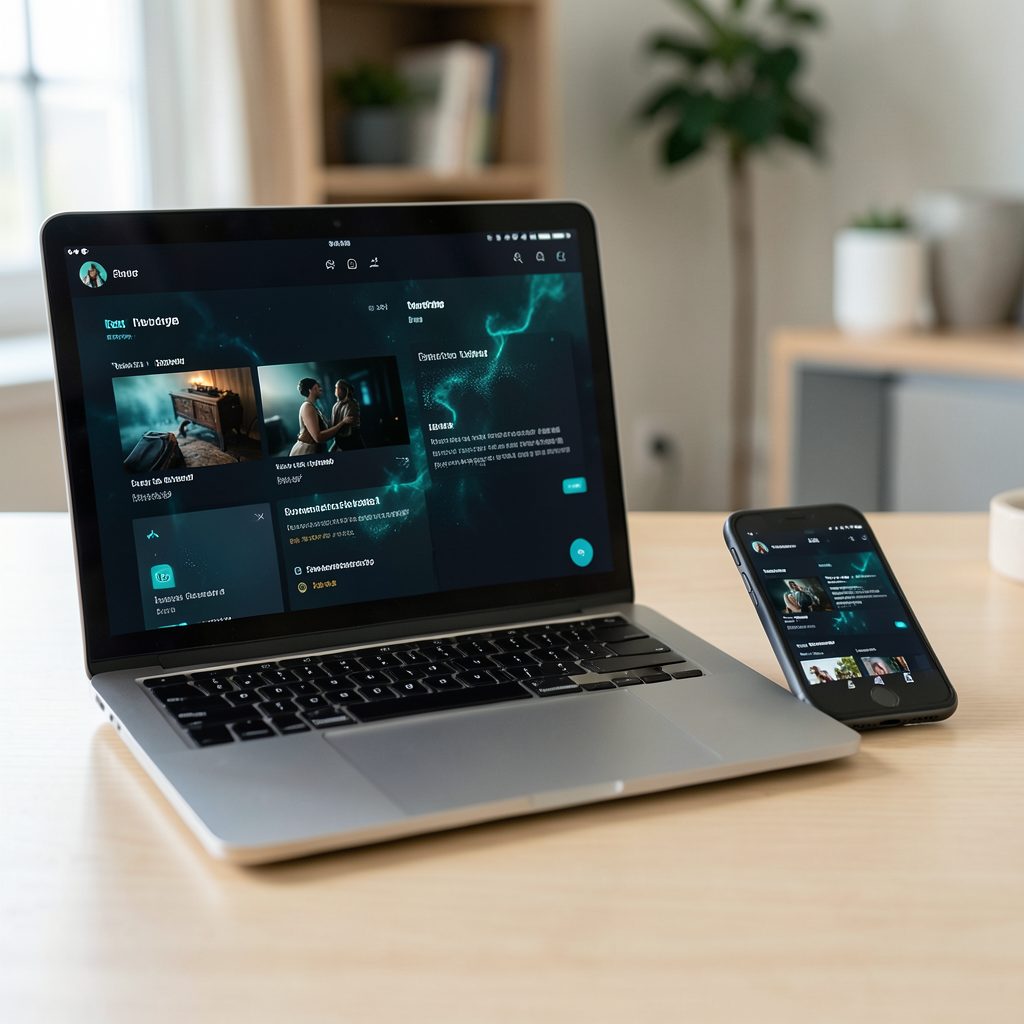
Popcorn Time is designed for computers, phones, tablets, and some television platforms, but Roku does not offer a native Popcorn Time channel. The practical solution is to run the application on a compatible device and mirror or cast its video output to a Roku TV or Roku-connected television.
The best method depends on the equipment in your home. Apple users can often rely on AirPlay, while Android and Windows users may be able to use Roku’s screen-mirroring feature. A direct HDMI connection is another option when wireless playback is unreliable or unavailable.
Before setting anything up, check the rules that apply to streaming and downloading copyrighted material where you live. Popcorn Time uses torrent technology, so the content source and your use of it can create legal and privacy concerns even when the app itself installs successfully.
Why Roku does not run Popcorn Time directly
Roku devices use a controlled operating system with apps distributed through the Roku platform. Users cannot generally install desktop-style applications or unofficial Android packages on a Roku streaming stick or television. Since Popcorn Time is not an official Roku channel, searching the Roku Channel Store will not provide a supported installation.
This means the Roku acts as a receiving screen rather than the device running Popcorn Time. Playback takes place on a laptop, desktop, smartphone, or tablet, and the image is then sent to the Roku through AirPlay, Miracast-style screen mirroring, or a physical cable.
Roku model compatibility also matters. Many newer Roku TVs and players include AirPlay 2, while screen mirroring support varies across Roku hardware and software versions. Open the Roku settings and check the relevant AirPlay and screen-mirroring menus before troubleshooting the source device.
Prepare the Roku and playback device
Start by connecting the Roku and the device running Popcorn Time to the same home network. A shared Wi-Fi connection is essential for most wireless casting methods. If the devices appear on different networks, such as a guest network and a primary network, discovery may fail even when both devices have internet access.
Update Roku through Settings > System > Software update, then restart it if an update is available. On compatible models, AirPlay settings are located under Apple AirPlay and HomeKit. Screen mirroring options are commonly found under System > Screen mirroring, where you can choose whether Roku asks for permission each time or accepts known devices automatically.
The source device should also be updated, but avoid changing several settings at once. Install a Popcorn Time fork only from a source you trust, scan downloaded files, and review the application’s playback and subtitle options before attempting to cast. Different forks can use different interfaces, codecs, and streaming behavior.
Use AirPlay with supported Apple devices
AirPlay is usually the simplest route for people using an iPhone, iPad, or Mac with an AirPlay-compatible Roku. On the Roku, enable AirPlay and make sure the access setting allows the device you intend to use. On an iPhone or iPad, open Control Center, tap Screen Mirroring, and select the Roku from the available devices.
A Mac can mirror its entire desktop through the AirPlay icon in the menu bar. This approach is useful when the Popcorn Time application runs in a desktop window, although full-screen video may perform better if the Mac and Roku have a strong network connection. If the Roku displays a code, enter it on the Apple device to authorize the session.
AirPlay mirrors the screen rather than transferring a torrent stream directly to Roku. Keep the Popcorn Time window visible, prevent the source device from sleeping, and disable unnecessary notifications. For better results, close bandwidth-heavy applications and place the Roku and source device near the wireless router.
Some content may show a black screen or muted audio because of application restrictions, codec incompatibility, or digital-rights controls. In that situation, test a different video file, update the source application, or use an HDMI connection instead. A wired setup is described in this HDMI playback guide.
Try screen mirroring from Android or Windows
Many Roku TVs and selected Roku players support screen mirroring from Android phones and Windows computers. On Android, the feature may be called Smart View, Cast, Wireless Display, Screen Share, or a similar name depending on the manufacturer. Open the quick settings panel, choose the mirroring function, and select the Roku device.
Windows 10 and Windows 11 computers can often connect through Project or Cast options. Press Windows + K to open the wireless display panel, then choose the Roku if it appears. You may need to enable screen mirroring on Roku first and approve a connection request shown on the television.
Android compatibility is inconsistent because manufacturers implement wireless display standards differently. Google Pixel phones, for example, may prioritize Google Cast rather than Roku’s Miracast-style mirroring. If your phone cannot find the Roku, a computer, an HDMI adapter, or a separate casting device may provide a more dependable route.
Do not confuse the Roku mobile app with a general video receiver. The app controls Roku menus and playback features, but it does not automatically make Popcorn Time content available on the television. It can still be useful for entering text, adjusting settings, and selecting the correct HDMI input when another device is connected.
| Method | Compatible source devices | Main requirement | Typical limitation |
|---|---|---|---|
| AirPlay mirroring | iPhone, iPad, Mac | AirPlay-compatible Roku | Depends on network quality and app compatibility |
| Roku screen mirroring | Android phones, Windows PCs | Supported Roku and wireless display feature | Android support varies by manufacturer |
| HDMI connection | Laptop, desktop, some phones | HDMI port or suitable adapter | Requires a cable and nearby source device |
| Chromecast route | Android, Chrome browser, supported apps | Separate Chromecast or Google TV device | Does not generally cast directly to Roku |
| Roku-native app | None for official Popcorn Time | Official Roku channel | Popcorn Time is not a standard Roku channel |
Understand the Chromecast and HDMI alternatives
A Roku cannot normally receive a Google Cast session in the same way as a Chromecast. If you already own a Chromecast or Google TV device, connect it to a free HDMI port on the television and cast from a compatible Android app or Chrome browser. This leaves Roku available for its own channels while the second device handles the Popcorn Time display.
For step-by-step guidance on sending playback to a separate Chromecast, see this Chromecast streaming guide. The process can be more reliable than trying to make an Android phone communicate with Roku when the phone lacks compatible screen-mirroring support.
HDMI remains the most predictable solution. Connect the computer to the television, select the matching input, and configure the display as a duplicate or second screen. On a laptop, use the operating system’s display settings to choose the television’s resolution and refresh rate. A wired connection avoids wireless discovery problems and usually reduces delay.
Phones may require a USB-C-to-HDMI or Lightning-to-HDMI adapter. Not every adapter supports protected video or high-resolution output, so use a reputable model and confirm that the phone supports video over its port. If audio stays on the phone, select the television as the sound output in the device’s audio settings.
Improve playback and resolve common problems
Buffering usually points to an unstable connection, limited bandwidth, or a torrent source with poor availability. Test the source device near the router, prefer a 5 GHz network when the signal is strong, and pause other large downloads. Ethernet can improve stability for a desktop or Roku television if wireless performance remains inconsistent.
If the picture is delayed, lower the playback resolution or close unnecessary applications on the source device. Mirroring adds processing work, particularly when a high-resolution video is decoded and transmitted at the same time. A wired HDMI connection typically gives smoother motion and better lip synchronization than wireless mirroring.
When subtitles fail to appear, check whether they are rendered inside the Popcorn Time player before mirroring begins. External subtitle files may not be transmitted correctly by every casting method. Audio problems can result from unsupported surround formats, so switching the source player to stereo may restore sound through the television.
A Roku restart can clear temporary connection errors, while restarting the phone, computer, and router may refresh device discovery. If a Roku asks for permission repeatedly, review its screen-mirroring prompt settings. If it never appears in the device list, confirm that network isolation is disabled on the router and that both devices use the same Wi-Fi band or local network.
Protect privacy and follow local rules
Popcorn Time commonly relies on peer-to-peer torrent connections. While a video is playing, the application may share data with other peers, and your internet provider may be able to observe torrent-related traffic. A Roku connection does not change how the Popcorn Time source device communicates with the internet.
A reputable VPN can encrypt traffic between the source device and the VPN server, but it does not make copyright infringement lawful or guarantee complete anonymity. VPN performance can also affect buffering, and some providers restrict or throttle peer-to-peer traffic. Review the provider’s policies, use a server location permitted by its terms, and avoid free VPN services that monetize user activity in unclear ways.
Keep the Roku firmware, operating system, browser, and Popcorn Time software current. Avoid modified installers that request excessive permissions, disable security tools, or bundle unknown programs. Never enter payment details into an unofficial Popcorn Time pop-up, and be cautious of fake download buttons and cloned websites.
For a safer viewing setup, use licensed streaming services or media files that you own and have permission to play. When testing a casting method, choose lawful local media first so you can separate a Roku configuration problem from an issue with a particular streaming source.
Choose a setup that fits your equipment
Wireless mirroring is convenient, but the most reliable option varies by device and network. Use the following checklist before settling on a method:
- Choose AirPlay when you have a recent iPhone, iPad, or Mac and an AirPlay-compatible Roku.
- Choose Roku screen mirroring when your Android phone or Windows computer clearly supports the required wireless display standard.
- Choose HDMI when stable video, low delay, and consistent audio matter more than cable-free convenience.
- Use a separate Chromecast or Google TV device when your source works better with Google Cast than Roku mirroring.
- Check local copyright rules and secure the source device before streaming torrent-based content.
Once the connection works, keep the source device awake, select a moderate resolution, and use the Roku remote only for television controls. For regular viewing, an Ethernet-connected source or a dedicated streaming device may deliver fewer interruptions than a phone over congested Wi-Fi.
Set up the Roku’s preferred mirroring permissions, save the correct television input, and test playback with permitted content. Then choose AirPlay, screen mirroring, Chromecast, or HDMI according to the hardware you already own, and review your legal and privacy settings before using Popcorn Time.