


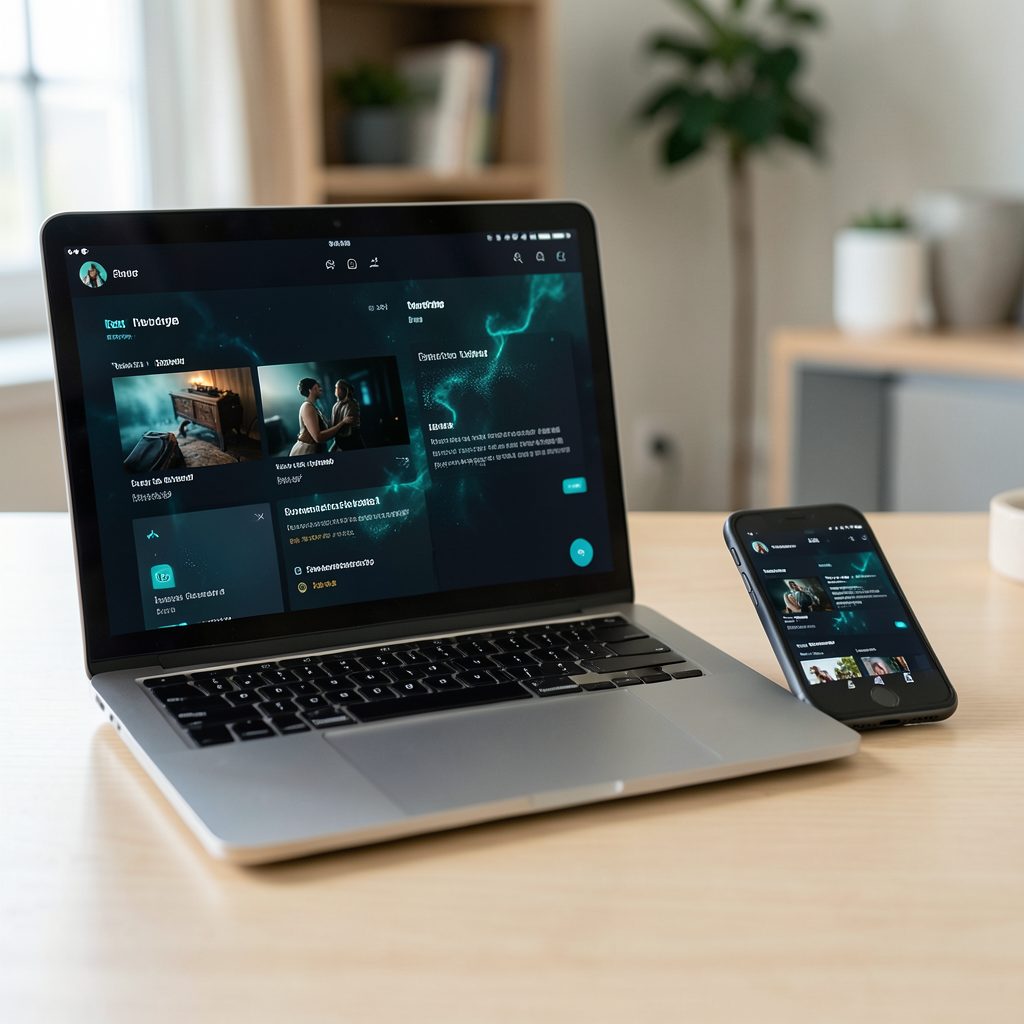
How to Stream Popcorn Time on a Panasonic Smart TV Using DLNA
Popcorn Time is designed around a simple idea: choose a film or television episode, let the application find available torrent sources, and begin playback quickly. A Panasonic Smart TV may not run the application directly, but DLNA can bridge the gap by sending compatible video from a computer or mobile device to the television over the home network.
This method is useful for Australian households with an older Panasonic Viera or a newer Panasonic television that supports network media playback. Instead of relying on an app store version that may be unavailable or unsupported, you use a DLNA media server on a Windows PC, Mac, or compatible mobile device and select the television as the playback destination.
The setup depends on three things: a stable local network, a Popcorn Time fork that can play the selected file, and a DLNA server capable of presenting that file in a format the Panasonic TV understands. Copyright rules also matter, because torrent-based streaming may involve unauthorised content. Check the status of any film or programme before watching it and use lawful sources whenever possible.
How DLNA Connects Popcorn Time And Panasonic
DLNA, or Digital Living Network Alliance, is a home-network standard that allows devices to share media. A computer acts as the media server, the Panasonic television works as the renderer or player, and the router connects the two. The TV does not necessarily need to install Popcorn Time; it only needs access to the video stream or downloaded media file.
On a typical setup, Popcorn Time starts playback on the computer and creates a temporary media stream. A separate DLNA server may then expose that file to the television. Some software can send the active stream directly, while other tools work better after the video has been cached or downloaded locally.
This distinction is important. A Panasonic TV may browse ordinary MP4 files without difficulty but reject a torrent stream, magnet link, or unusual container. DLNA is a delivery method rather than a conversion system, so incompatible codecs, subtitles, or audio tracks can still prevent playback.
Check Your Panasonic TV And Home Network
Look through the Panasonic television’s Home, Network, Media Server, or Apps menus to confirm that DLNA browsing is available. Menu names vary between Viera generations, and a model sold in Australia may have different software from a similar overseas version. The television should also be connected to the same home network as the computer running the media server.
Ethernet is generally the most reliable choice for a television in a lounge room, especially when the router is nearby. Wi-Fi can work well with a modern NBN connection, although the internet speed itself is less important than signal strength between the TV and router. A busy 2.4 GHz network in an apartment in Sydney or Melbourne can cause buffering even when a speed test looks healthy.
Update the Panasonic firmware if an official update is available, and restart the TV after joining the network. If the set is several years old, confirm its supported video formats in the user manual. Older models commonly handle H.264 video in an MP4 or MKV container more consistently than newer or less common formats.
Prepare A Stable Australian Home Network
Place the computer and Panasonic TV on the same private network, not on a guest network. Guest Wi-Fi often blocks device discovery, which means the media server may be running correctly while the television cannot see it. Disable client isolation in the router settings if that feature prevents local devices from communicating.
Households in Brisbane, Perth, Adelaide, and other Australian cities may have a mix of NBN fixed-line, fixed-wireless, or older broadband services. DLNA playback still works within the home when the internet connection drops, provided the media file has already been cached or downloaded. Internet stability matters when Popcorn Time is fetching torrent pieces, but local Wi-Fi quality controls the final connection to the TV.
Avoid running several high-bandwidth activities at the same time. A large game download, cloud backup, and 4K torrent stream can overwhelm a modest router. For predictable results, connect the computer by Ethernet, pause other transfers, and use a 5 GHz Wi-Fi band for the television when its location allows a strong signal.
Set Up The Media Server
Install a reputable DLNA server on the computer that runs Popcorn Time. Options such as Universal Media Server, Jellyfin with DLNA enabled, or Serviio can scan a chosen folder and make compatible videos visible to network players. Select only the folders you intend to share, since a DLNA server may expose every supported file inside an added directory.
If Popcorn Time saves temporary files, identify that cache location and add it to the server’s shared folders. Some forks remove or rename temporary files quickly, so a dedicated download folder is often easier to manage. Waiting for a complete local file also reduces interruptions caused by fluctuating torrent peers.
Transcoding may be necessary when the Panasonic TV cannot decode the original file. Enable on-the-fly conversion only if the computer has enough processing power, because transcoding high-definition video can consume considerable CPU resources. A direct-play H.264 MP4 with AAC or AC-3 audio is usually less demanding than a 4K HEVC file with an advanced subtitle format.
For background information about software reliability and privacy practices, consult this independent app review before choosing an unfamiliar fork or media server. Avoid modified installers from random download pages, and scan files before opening them.
Find And Play The Shared Video
Turn on the Panasonic TV and open its Media Server, Network Media, or DLNA browser. The computer may appear under the name assigned by the server software. Open the shared folder, choose the film or episode, and allow a few seconds for the television to request the file.
If the Panasonic displays a list but playback fails, check the file extension and codec rather than assuming the network is broken. Converting the video to H.264 MP4 often resolves compatibility issues. Keep the original audio track simple during testing, and try disabling embedded subtitles if the TV freezes when loading them.
Some DLNA tools include a Cast, Play To, or Renderer button. Use that control to select the Panasonic television when direct browsing is inconvenient. The computer may need to remain awake throughout playback, and closing Popcorn Time or the media server can terminate the stream.
AirPlay and Chromecast are alternative routes on supported equipment, but they are not identical to DLNA. A Chromecast dongle can be more flexible for newer streaming services, while a Panasonic model with dependable DLNA support may not need extra hardware. Check which feature is available on the particular Australian model rather than relying on the brand name alone.
Fix Buffering, Missing Devices, And Subtitles
If the TV cannot see the server, restart the server application, router, computer, and television in that order. Confirm that the operating system firewall allows the DLNA program on private networks. Windows users should mark the home connection as Private, while macOS users may need to permit local network access when prompted.
Buffering usually points to a weak wireless signal, a demanding video file, or torrent sources that cannot provide data consistently. Test a smaller 720p file first, move the router away from large appliances, and use Ethernet where possible. A mesh Wi-Fi system can help in a large Melbourne or Perth home, but adding nodes will not fix an incompatible codec.
Subtitle problems have several causes. The subtitle file may use a format the Panasonic cannot read, the filename may not match the video, or the server may fail to deliver external subtitles through DLNA. Try an SRT file with the same base filename as the video, or use the server’s transcoding and subtitle settings. If subtitles are essential, playing the file through a computer connected by HDMI may provide better control.
Respect Privacy And Australian Copyright Rules
Torrent-based applications expose a user’s device to peers while data is being exchanged. A VPN can conceal the home IP address from other participants and may reduce some network-level tracking, but it does not make infringing activity lawful or guarantee anonymity. Choose a provider carefully, review its logging policy, and understand that VPN services cannot correct unsafe downloads or malicious software.
For a practical discussion of configuration choices, the privacy configuration guide covers settings that can reduce unnecessary exposure. Treat such advice as a technical privacy reference rather than legal advice, and remember that a VPN may reduce connection speed enough to affect high-bitrate playback.
Australian copyright law, including the Copyright Act 1968, can apply when films or television programmes are downloaded, communicated, or made available without permission. Rights holders also use court-approved site-blocking measures, and internet providers may respond to infringement notices. The safest approach is to use licensed platforms, public-domain material, or content for which you have permission. Local services such as ABC iview, SBS On Demand, 7plus, 9Now, Stan, and other licensed providers may offer a more dependable legal alternative, subject to their current catalogues and regional terms.
Practical Setup Recommendations
A careful setup avoids most problems before they reach the television. Keep the Panasonic firmware, operating system, DLNA server, and chosen streaming application current, but download updates only from official or well-established sources. Save legal media in a dedicated folder and test one short file before attempting a long high-definition film.
Use the following checklist for a smoother Panasonic DLNA experience:
- Connect the TV and media computer to the same private network.
- Prefer Ethernet for the computer and a strong 5 GHz Wi-Fi signal for the TV.
- Test H.264 MP4 video before trying HEVC, unusual audio, or complex subtitles.
- Add only a dedicated media folder to the DLNA server.
- Allow the server through the computer’s private-network firewall.
- Keep the computer awake and Popcorn Time or the media server running during playback.
- Confirm that the content is legally available in Australia before streaming or downloading it.
Once the basic connection works, experiment with resolution and subtitle settings one change at a time. This makes it easier to identify whether a failure comes from the Panasonic player, the network, the media server, or the source file.
Set up the DLNA server, connect the Panasonic television, and begin with a legally obtained test video. After playback is stable, adjust quality, subtitles, and network settings for your household rather than forcing the TV to handle formats it cannot support.