Stream Popcorn Time on a Hisense U6 Series TV
Hisense U6 televisions use different smart TV platforms depending on the model, region, and production year. Some run Google TV or Android TV, while others use Roku TV or VIDAA. That distinction determines whether an app can be installed directly, whether sideloading is possible, and which casting method will work most reliably.
Popcorn Time is a torrent-based streaming application, so its availability, safety, and legality vary by country and by the content being accessed. The software may also be distributed through multiple forks rather than one universally maintained official app. Before installing anything, check local copyright rules and use only content you are authorized to watch.
The simplest setup is often to run a compatible media app on an Android phone, tablet, or computer and send the picture to the Hisense U6 with Chromecast, AirPlay, or an HDMI connection. This avoids forcing unsupported software onto the television and usually provides better control over updates, subtitles, and playback.
Identify The Hisense TV Platform
Open the television’s settings and look for the system or device information page. A Google TV model typically shows Google TV branding, access to the Google Play Store, and Google Assistant features. Android TV models have a similar app ecosystem but may use an older interface. Roku TV devices display the Roku home screen, while VIDAA models use Hisense’s own operating system.
The model number can also clarify the platform. It is usually printed on the rear label, shown under system information, or listed on the original packaging. This matters because an Android package designed for Google TV will not install natively on Roku TV or VIDAA. Matching the app format to the operating system prevents many failed-installation messages.
Check the television’s firmware before attempting playback. An update can improve Wi-Fi stability, Chromecast compatibility, audio output, and app performance. It is also worth restarting the TV and router before troubleshooting, particularly if the device has recently been updated or moved to a new network.
Choose A Safe Playback Method
For a Hisense U6 with Google TV or Android TV, the first option is to search the Play Store for a legitimate, currently supported application. Popcorn Time forks can change names, package signatures, and hosting locations, so avoid downloading an APK from an unknown mirror. A website such as this Popcorn Time resource can provide background information, but every download should still be checked for authenticity and legality.
If a compatible application is unavailable from the television’s app store, using a separate Android device is usually less disruptive than sideloading. Install a lawful media player or streaming application on the phone, tablet, or Android TV box, then cast authorized content to the television. Sideloading carries risks, including malware, fake installers, outdated code, and apps that request excessive permissions.
An HDMI-connected laptop is another dependable option. Open the chosen service on the computer, connect an HDMI cable to the Hisense U6, and select the corresponding input. This method does not depend on smart TV app support and can handle services that are limited to desktop or mobile platforms. It may be less convenient than casting, but it often delivers consistent video and audio.
Install On Google TV Or Android TV
When a trustworthy and compatible application is available, open the Play Store on the Hisense TV and search for it by its verified name. Review the publisher, permissions, update history, and user feedback before installation. Avoid similarly named clones that promise premium content, unlimited downloads, or unusually high playback quality.
Some users attempt APK sideloading through a file manager or downloader. This should be treated as an advanced procedure rather than the default approach. If you use it for software you are legally permitted to install, enable installation from unknown sources only for the specific file manager involved, verify the file’s origin and checksum where available, and disable that permission afterward.
A TV remote is not ideal for entering long URLs or navigating unfamiliar installers. A USB keyboard, Bluetooth keyboard, or phone-based remote can make the process easier. Keep storage space available because temporary video files, thumbnails, subtitle caches, and app updates may consume more space than expected.
After installation, launch the app and test a short, authorized video first. Confirm that the interface responds correctly, subtitles appear, and audio is synchronized. If the application crashes, remove it rather than repeatedly installing files from different unofficial sources.
Use Chromecast, AirPlay, Or HDMI
Chromecast is often the smoothest option for a U6 model with Google TV or built-in Chromecast. Connect the sending device and television to the same Wi-Fi network, open a compatible player, tap the Cast icon, and select the Hisense TV. Keep the phone or tablet awake until the connection is established, although many apps then allow playback to continue while the device is used for remote control.
AirPlay may be available on selected Hisense models and firmware versions. On an iPhone, iPad, or Mac, open the playback controls, select Screen Mirroring or AirPlay, and choose the television. If the Hisense does not appear, confirm that AirPlay is enabled in the TV settings and that both devices are using the same wireless network. Guest networks often prevent device discovery.
HDMI remains useful when wireless casting produces buffering, frame drops, or audio delays. Set the computer’s display resolution to a format the television supports, usually 1080p or 4K at a standard refresh rate. For sound, select the TV as the computer’s output device and use the Hisense audio settings to choose internal speakers, a soundbar, or an AV receiver.
| Playback method | Best for | Main requirement | Common limitation |
|---|---|---|---|
| Native Google TV app | Simple remote-based viewing | Compatible, trusted app | Availability can change |
| Chromecast | Mobile control and quick setup | Same Wi-Fi network | Wireless interference |
| AirPlay | Apple devices | Supported Hisense firmware | Device discovery issues |
| HDMI laptop | Broad compatibility | HDMI cable and computer | Less convenient from the sofa |
| External streaming box | Dedicated playback | Compatible box and HDMI port | Additional hardware |
Improve Picture, Sound, And Network Quality
For stable streaming, connect the Hisense U6 to a 5 GHz Wi-Fi network when the router is nearby. The 2.4 GHz band travels farther through walls but is more vulnerable to congestion. A wired Ethernet connection, if supported by the television or an attached streaming device, can reduce fluctuations during high-bitrate playback.
A fast internet connection does not eliminate every buffering problem. Torrent-based applications depend on the availability and quality of peers, so a title may stream poorly even when other services work normally. Pausing playback briefly, selecting a lower resolution, or choosing a better-supported source may help, but an unreliable source cannot be fixed entirely through TV settings.
Check the Hisense picture mode when video appears too dark, oversharpened, or unnatural. Cinema or Theater modes are often more balanced than vivid mode. For audio delays, look for digital audio delay, lip-sync, or passthrough settings. If a soundbar is connected by HDMI ARC or eARC, make sure the cable is connected to the correctly labeled port.
Subtitles can create their own problems. Confirm that the subtitle file uses a supported format and character encoding, and test a different subtitle track if text appears as boxes or strange symbols. Some external players handle subtitle timing better than the television’s built-in player.
Handle Updates, Privacy, And Legal Risk
Popcorn Time-related software changes frequently, and some forks disappear without warning. Follow reputable technology coverage, such as these streaming news updates, to learn about software changes and platform compatibility. Do not assume that a familiar logo or website represents the same developer or a safe release.
A virtual private network can encrypt traffic between a device and its VPN server, which may be useful on public Wi-Fi or for general privacy. It does not make copyright infringement lawful, guarantee anonymity, or remove malware from an installer. Choose a provider with a clear privacy policy, avoid free VPNs that monetize browsing data, and remember that VPN performance can reduce streaming speed.
Use strong passwords for streaming accounts and keep the television’s firmware, router, phone, and computer updated. Do not grant an unfamiliar app access to contacts, messages, accessibility controls, or unrelated files. If an installer requests more permissions than its function requires, cancel the installation.
Practical Setup Recommendations
- Identify whether the U6 runs Google TV, Android TV, Roku TV, or VIDAA before choosing an installation method.
- Prefer verified app-store releases, casting, or HDMI over APK files from unknown download pages.
- Test playback with content you are authorized to access before adjusting advanced settings.
- Use 5 GHz Wi-Fi or Ethernet, and keep the television and casting device on the same network.
- Treat VPN software as a privacy tool rather than a way to bypass copyright rules or unsafe sources.
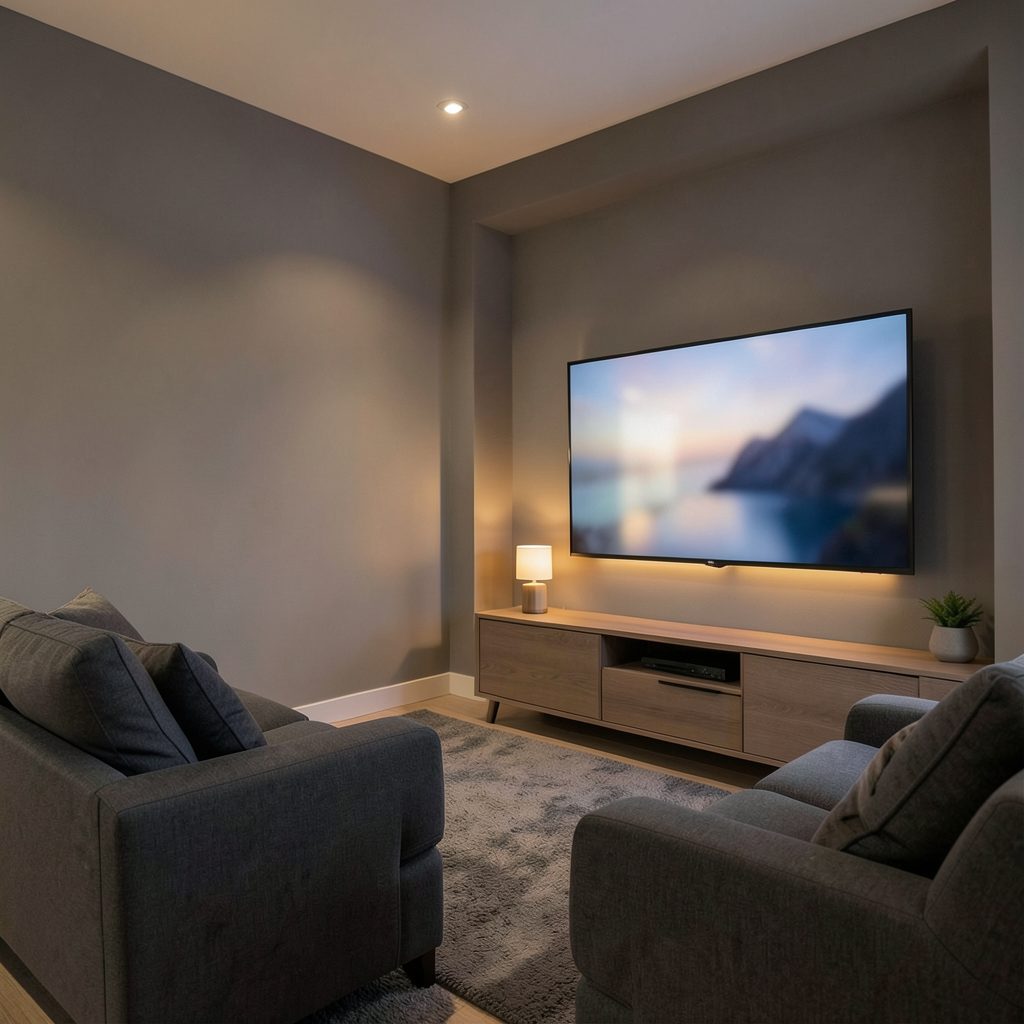
A Hisense U6 can provide a good large-screen experience without installing unsupported software directly on the television. Start by confirming the operating system, then choose the least risky compatible route: a verified native app, Chromecast, AirPlay, or HDMI. Keep firmware current, protect personal data, and access only media you have the legal right to view. With those precautions in place, configure the connection, test a short stream, and adjust network, subtitle, and audio settings before settling in for longer playback.