
How to Stream Popcorn Time on a Hisense Smart TV
Popcorn Time is a torrent-based streaming application that presents movies and television shows through a media-player interface. On a Hisense Smart TV, the viewing experience depends largely on the television’s operating system, the Popcorn Time fork being used, and whether the app supports direct installation or casting.
Hisense TVs commonly run VIDAA, Google TV, Android TV, or Roku TV. These platforms handle apps and screen sharing differently, so there is no single installation method that works for every model. In many cases, casting from a phone or computer is simpler and more reliable than trying to install an unofficial application directly on the television.
Before setting anything up, check the copyright rules where you live. Torrent-based streaming can involve unauthorized distribution, and Popcorn Time forks may differ in their content sources, privacy practices, and safety. Use the service only for content you are legally permitted to access, and download software from sources you trust.
Check Your Hisense TV Platform
Start by identifying the operating system installed on the television. Press the Home button and look for the app store, system settings, or branding shown on the home screen. A Hisense Google TV or Android TV model normally uses the Google Play Store, while a Roku model opens the Roku Channel Store. VIDAA televisions use the VIDAA app store and have a different set of supported applications.
The model number can provide another way to identify the platform. It is usually printed on the back of the television or listed under Settings, System, About, or Device Preferences. Searching the model number on the Hisense support website can also confirm whether the television supports Chromecast, AirPlay, or another casting standard.
Hardware matters as well. Older Hisense televisions may have limited memory, slower processors, or outdated casting support. If the TV struggles with ordinary streaming applications, an external Google TV, Android TV, Roku, or Fire TV device may provide smoother playback and easier app management.
Decide Between Direct Installation And Casting
Direct installation is possible only when the TV platform supports a compatible Popcorn Time application or Android package. Google TV and Android TV offer the greatest flexibility, although an unofficial fork may need to be installed manually rather than downloaded through the Play Store. VIDAA and Roku generally offer fewer options for unofficial applications, making casting the more practical approach.
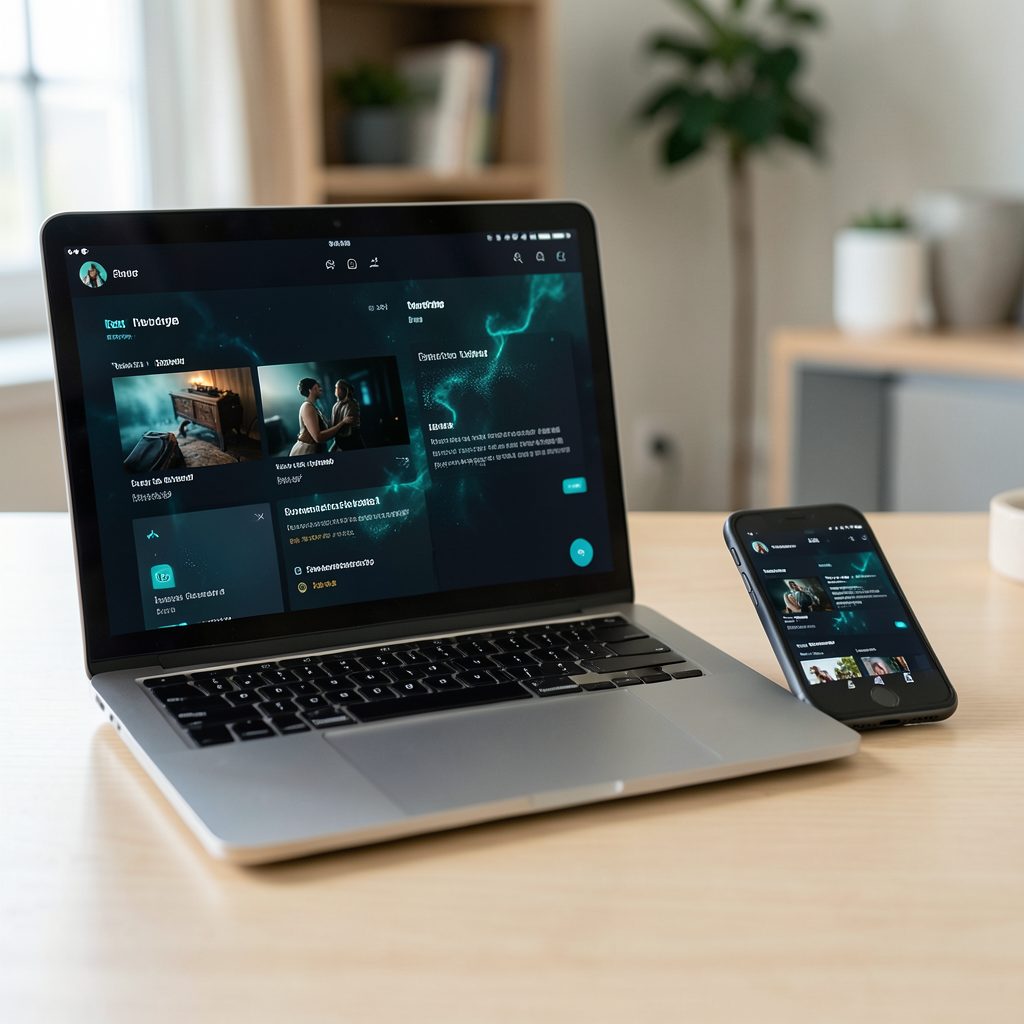
Casting sends playback from a phone, tablet, or computer to the television. The source device runs the application, while the Hisense TV displays the video through Chromecast, AirPlay, or a compatible receiver. This method avoids changing the TV’s security settings and makes it easier to remove the application later.
Before using a fork, review its official documentation and release information. The Popcorn Time download guide can help explain the available versions and general setup considerations, but compatibility should still be checked against the exact Hisense operating system. An application designed for Android TV may not work on VIDAA, Roku, or a standard mobile Android device in the same way.
Prepare The Network And Playback Devices
Connect the Hisense TV and the phone, tablet, or computer to the same home network. A 5 GHz Wi-Fi connection is often preferable when the TV and router are nearby because it can reduce congestion and provide better local streaming performance. For longer distances, a strong 2.4 GHz connection may be more dependable than a weak 5 GHz signal.
Check that the TV has sufficient storage and that its firmware is current. Remove unused applications if storage is nearly full, then restart the television after installing system updates. On an external streaming device, update both the operating system and the casting application before attempting playback.
Torrent-based applications can be affected by peer availability, connection quality, and network configuration. The DHT performance guide explains why distributed hash table activity can influence how quickly sources are found and how stable playback becomes. A fast internet package cannot fully compensate for a title with few available sources.
Install On Google TV Or Android TV
If the Hisense TV uses Google TV or Android TV, first search the Play Store for a legitimate, compatible Popcorn Time release. Some forks are absent from official stores, so avoid assuming that every application using the Popcorn Time name is authentic. Check the publisher, release notes, permissions, and community reputation before proceeding.
Manual installation, often called sideloading, requires obtaining an Android package file from a source you trust. The file is transferred to the television or accessed through a file manager, and installation from unknown sources may need to be enabled for that specific app. After installation, disable unnecessary permissions and avoid granting access to contacts, messages, or unrelated personal data.
The interface may be difficult to navigate with a standard Hisense remote. A Bluetooth mouse, keyboard, or remote-control application can make menus easier to use, although compatibility varies. If the fork expects touch gestures or a phone-based interface, casting may provide a better experience than direct installation.
Use a reputable security scanner on the download device and do not install modified packages that request unusual privileges. Unofficial streaming software can be repackaged with advertising components, tracking tools, or malware. Keeping the app isolated on a secondary streaming device can reduce exposure to personal accounts and sensitive files.
Cast From A Phone Or Computer
Chromecast is usually the simplest option for a Hisense Google TV or Android TV. Open the application on an Android phone or tablet, choose permitted content, and tap the Cast icon when the television appears. Select the Hisense TV and allow a few seconds for the connection to establish. Both devices must remain on the same network.
On an iPhone, iPad, or Mac, AirPlay may be available if the Hisense model supports it. Open the media player, select the AirPlay control, and choose the television. Some applications do not provide native AirPlay support, in which case screen mirroring may be available through the device’s Control Center. Mirroring can use more battery and may display phone notifications unless they are disabled.
A Windows or macOS computer can also act as the source. Chrome supports casting compatible browser tabs to many Google TV and Android TV models, while macOS can use AirPlay when the television is recognized as an AirPlay receiver. An HDMI cable remains the most dependable fallback because it avoids wireless discovery and compatibility problems.
| Hisense platform | Direct app options | Recommended playback method | Common limitation |
|---|---|---|---|
| Google TV | Play Store or compatible sideloading | Chromecast or direct installation | Unofficial packages require caution |
| Android TV | Play Store or compatible sideloading | Chromecast or direct installation | Remote navigation may be awkward |
| VIDAA | Limited native options | HDMI, Chromecast device, or supported casting | App availability varies by region |
| Roku TV | Roku Channel Store apps | HDMI or an approved casting route | General sideloading is restricted |
| Older smart TV software | Usually very limited | External streaming device or HDMI | Firmware may lack modern protocols |
Configure VIDAA And Roku Models
VIDAA televisions generally focus on applications available through the VIDAA store. If a Popcorn Time fork is not listed there, attempting to force an Android package onto the TV is unlikely to work and could create security or performance problems. Instead, use a supported Chromecast, streaming stick, computer, or mobile device connected through HDMI.
Some Hisense VIDAA models include built-in Chromecast or AirPlay, while others do not. Look under Network, Inputs, Apple AirPlay and HomeKit, or connected-device settings. If the feature is missing, a certified external device can add it without replacing the television.
Roku TV has a more controlled software environment. Applications must generally come through Roku’s approved channels, and typical Android APK files cannot be installed. Screen mirroring from an Android phone or Windows computer may work if enabled in Roku settings, but support depends on the phone, software version, and network.
For either platform, HDMI is often the most consistent solution. Connect a laptop or streaming box, switch the Hisense input to the correct HDMI port, and operate the Popcorn Time-compatible software on that external device. This keeps the TV responsible only for displaying the signal.
Improve Buffering And Connection Stability
Buffering can result from weak Wi-Fi, overloaded home networks, limited source availability, or problems within the selected fork. Begin by testing another legal streaming service on the same TV. If that service also buffers, restart the router and television, move the router closer, or use Ethernet where supported.
Reduce competing traffic while watching. Large downloads, cloud backups, game updates, and several simultaneous high-definition streams can reduce available bandwidth. A wired Ethernet connection is preferable for a fixed television, particularly when the router is close enough for a cable run.
Changing video quality can help when the connection is inconsistent. A lower resolution requires less sustained bandwidth and may prevent repeated pauses. Restarting the source device can also clear a stalled connection, while closing unused mobile applications reduces battery and memory pressure during casting.
A VPN may be relevant to privacy and network management, but it does not make unauthorized viewing legal and cannot guarantee anonymity. VPN services can also reduce speed or interfere with local casting if the phone and TV appear to be on different virtual networks. If casting stops working after a VPN is enabled, check whether local-network access is allowed or test the connection with the VPN temporarily disconnected.
Troubleshoot Common Hisense Problems
If the TV does not appear in the Cast or AirPlay list, confirm that both devices use the same Wi-Fi name and that guest-network isolation is disabled. Restart the router, source device, and television in that order. Also check that casting is enabled in the Hisense settings and that firmware updates have not changed the feature’s configuration.
When video plays on the phone but not on the television, the problem may be codec compatibility rather than the network. Try a different player or use HDMI from a computer. If audio works without video, update the TV software and source application, then test a lower-quality stream.
An application that crashes during startup may be incompatible with the TV’s processor, Android version, screen orientation, or remote-control system. Clear its cache, reinstall it from a verified source, and remove it if it continues to behave unusually. Do not disable core security protections simply to keep an unstable fork running.
Use these practical checks before changing advanced settings:
- Confirm the exact Hisense operating system and model number.
- Keep the TV, router, and casting device on the same private network.
- Prefer official app stores or verified release sources.
- Test Chromecast, AirPlay, and HDMI separately when available.
- Remove an application that requests excessive permissions or causes repeated crashes.
Keep Streaming Safe And Legal
Popcorn Time forks can change ownership, domains, features, and content sources over time. A familiar name does not prove that a particular download is safe or authorized. Avoid installers distributed through random pop-up pages, shortened links, unsolicited messages, or unofficial “premium” versions.
Review the law that applies in your country before accessing torrent-based material. Streaming may still involve downloading or sharing pieces of a file, and copyright rules can apply even when a video appears to play like an ordinary stream. Choose licensed services, public-domain libraries, or media you have permission to access whenever possible.
Protect household devices by using separate accounts where available, strong router credentials, current firmware, and reputable security software. Do not enter banking details or primary email passwords into an unfamiliar application. If privacy is important, understand what the selected fork logs and whether its privacy claims have been independently examined.
A Hisense television can display Popcorn Time-related playback through direct installation, Chromecast, AirPlay, screen mirroring, or HDMI, but the best method depends on the model and software platform. Verify compatibility first, use cautious sources, and treat legal and network considerations as part of the setup rather than afterthoughts. Start with the least invasive option—casting or HDMI—and move to direct installation only when the TV and application are clearly compatible.