

How to Stream Popcorn Time on a Chromebook
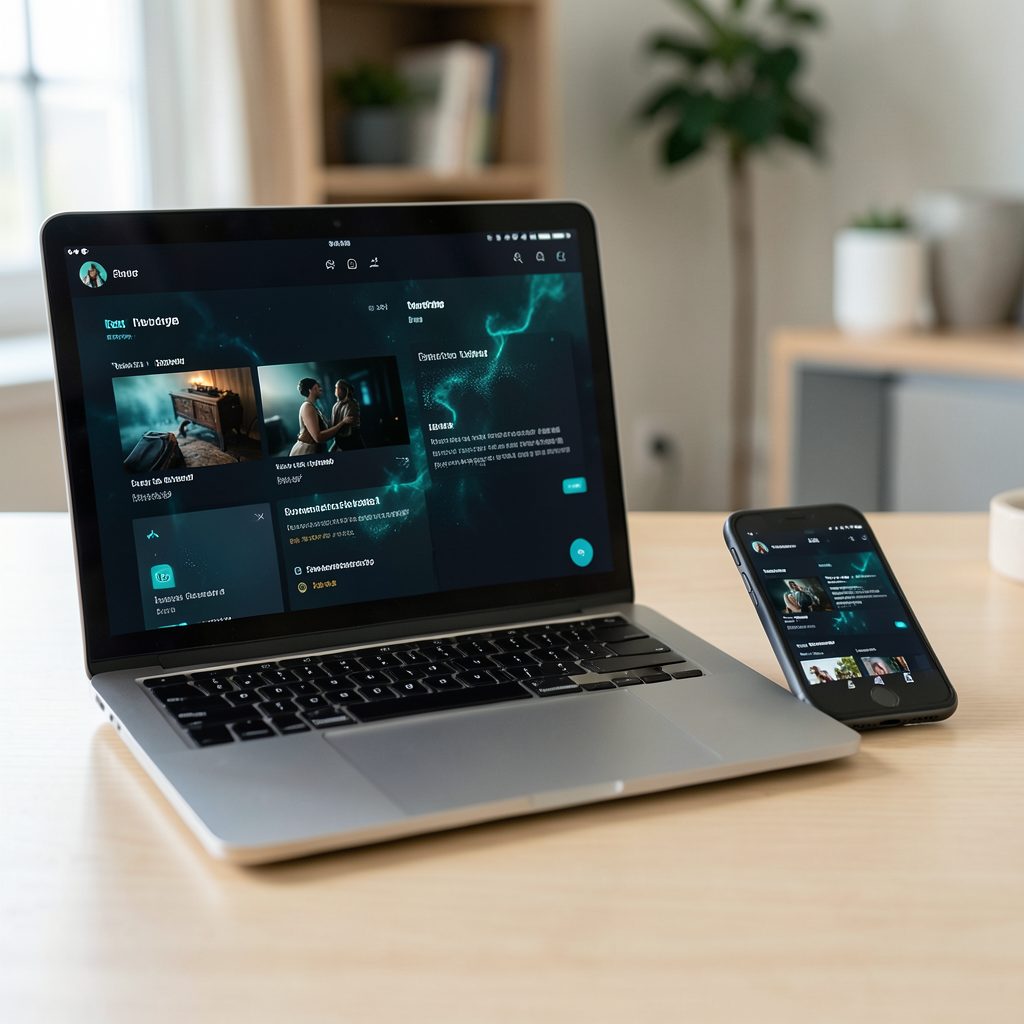
Chromebooks are designed around browser-based services, but many models can also run Android applications or Linux software. That gives users several possible ways to access Popcorn Time, although the best method depends on the Chromebook’s hardware, ChromeOS version, and the particular Popcorn Time fork involved.
Popcorn Time uses peer-to-peer torrent technology while media is playing. This can create legal, privacy, security, and network-performance concerns. Availability of a film or television show does not establish that streaming or downloading it is lawful in your country, so check local copyright rules and use the application only for content you are entitled to access.
The simplest setup is usually an Android-compatible Chromebook, while Linux support offers more flexibility for advanced users. Browser extensions and unofficial web players may appear convenient, but they can be difficult to verify and may expose users to aggressive advertising, malicious downloads, or misleading permissions.
Check Your Chromebook Before Installing Anything
Start by identifying whether the Chromebook supports Google Play. Open Settings, select Apps, and look for Google Play Store or an option related to Android app installation. If that setting is present, the device may be able to run a compatible Android build, though administrator restrictions or school and workplace policies can disable the feature.
Hardware also matters. A Chromebook with limited storage may struggle with cached media, downloaded files, or multiple applications. Older processors can have difficulty decoding high-definition video, particularly when several browser tabs are open. Keep ChromeOS updated, remove unnecessary files, and connect the charger before testing a long stream.
Linux support is another useful indicator. In Settings, search for “Linux development environment.” Activating it creates a container that can run selected Linux applications and command-line tools. This route requires more technical knowledge and does not guarantee that a particular Popcorn Time package will work correctly on ChromeOS.
Choose A Compatible Installation Route
If Google Play is available, an Android package may be the most familiar option. Search carefully, because the name Popcorn Time has been used by multiple projects and unofficial forks. Check the publisher, release history, requested permissions, and reputation of the source before installing anything. Avoid modified packages that promise premium features, unlimited downloads, or ad-free playback without trustworthy documentation.
When you have verified the source and selected a build that supports your device, keep the installation file and application permissions under review. The project’s download page can help you locate a relevant release, but it is still important to confirm that the package is compatible with your Chromebook and lawful for your intended use.
Linux installation is more complicated. ChromeOS runs Linux applications inside a container rather than as native ChromeOS programs, so hardware acceleration, graphics libraries, file permissions, and media codecs can affect performance. A Linux-based build may open successfully yet produce a black screen, stuttering playback, or missing audio. Treat this option as experimental and make a backup of important files before changing system settings.
Compare The Main Chromebook Options
The right method depends on the features available on the Chromebook and how much troubleshooting you are prepared to handle. Android support usually provides the least technical setup, while Linux can be useful when no suitable Android version exists. A browser-only option may seem convenient, but unofficial sites are often the least predictable.
| Method | Requirements | Strengths | Common limitations |
|---|---|---|---|
| Android application | Chromebook with Google Play support | Familiar installation and touch-friendly controls | Fork compatibility, permissions, and app availability vary |
| Linux container | ChromeOS Linux support and sufficient storage | Greater control over packages and files | More setup, possible codec and graphics problems |
| Browser-based player | Modern browser and reliable website | No local installation required | Unverified services, intrusive advertising, and unstable playback |
| External device casting | Compatible TV, receiver, or streaming device | Larger display and reduced Chromebook workload | Requires network compatibility and a supported casting feature |
Chromecast can be useful when the application exposes a cast button and both devices share the same wireless network. Some versions may also work with an HDMI adapter or a wireless display feature. Casting does not remove copyright obligations, and an external screen does not solve problems caused by an unreliable torrent source.
AirPlay support is less consistent on Chromebooks. ChromeOS may interact with some receivers through browser casting or third-party tools, but native compatibility depends on the Chromebook and the receiving device. If wireless playback is unreliable, using a local display or a supported streaming service may provide a more stable result.
Configure Playback And Network Settings
After installation, open the application’s settings before starting a stream. Look for video quality, subtitle language, audio track, cache location, and playback behavior. A lower resolution can reduce buffering on a weak connection and may be more suitable for an entry-level Chromebook. If subtitles fail to load, try another supported language or a legally obtained subtitle file rather than installing unknown codec packages.
Peer-to-peer streaming uses upload bandwidth as well as download bandwidth. This can affect other people and devices on the same network, and some internet providers may restrict or monitor torrent traffic. A wired USB-C Ethernet adapter can improve consistency, while a modern 5 GHz or Wi-Fi 6 network may reduce interference compared with a crowded 2.4 GHz connection.
A VPN can conceal an IP address from peers and reduce exposure to certain forms of network monitoring, but it does not make copyright infringement lawful or guarantee anonymity. Choose a provider with clear privacy policies, reliable leak protection, and servers close enough to maintain acceptable speed. Avoid free VPN applications that monetize extensive tracking or inject advertising into web traffic.
Privacy begins before playback starts. Use a separate account when practical, limit unnecessary permissions, and avoid entering personal details into unofficial Popcorn Time forms. Users researching temporary sign-up methods can review this privacy guide, while remembering that a disposable email address does not protect payment information, device identifiers, or torrent activity.
Fix Buffering, Crashes, And Missing Media
Buffering usually results from a slow source, limited bandwidth, poor Wi-Fi coverage, or an overloaded device. Test a lower resolution, pause other downloads, close unused tabs, and move closer to the router. Restarting the Chromebook and router can clear temporary network faults, but it will not improve a stream whose torrent sources are unavailable.
If playback freezes while the interface remains responsive, stop the stream and try a different legally available source or title. Clear only the application cache first; clearing all application data may remove settings and saved preferences. Keep several gigabytes of free storage because ChromeOS and Android applications need working space for updates and temporary media files.
A black screen with sound often points to graphics acceleration or codec compatibility. Update ChromeOS, restart the app, and test a lower-quality stream. If the issue appears only in a Linux container, review the application’s graphics requirements and container permissions. Do not download random codec installers from pop-up pages, since these are a common route for malware.
When the application closes immediately, check whether the package matches the Chromebook’s processor architecture. Some devices use ARM chips, while others use Intel or AMD processors. An incompatible build may install but fail at launch. Removing the app and reinstalling a verified version can help, but preserve any logs if you need to report the issue to the project maintainers.
Protect Your Chromebook And Personal Data
Treat every unofficial fork as untrusted until its source and release process are clear. Read the privacy policy, inspect requested permissions, and be suspicious of an application that asks for contacts, SMS access, accessibility controls, or broad file permissions unrelated to media playback. On a managed Chromebook, do not attempt to bypass administrator controls or security policies.
Keep ChromeOS, Android components, Linux packages, and browser extensions updated. ChromeOS includes sandboxing and automatic security features, but those protections cannot make an unsafe download trustworthy. Enable two-step verification on important accounts and avoid using the same password for streaming-related services and email.
A VPN is best viewed as one privacy layer rather than a complete security solution. It may protect traffic on public Wi-Fi, yet the application, torrent peers, DNS requests, browser fingerprint, and account activity can still reveal information. Do not assume that private browsing mode, a temporary email address, or a VPN removes every record of online activity.
Use A Practical And Responsible Setup
Before committing to a particular installation, use this checklist:
- Confirm that your Chromebook supports the chosen Android or Linux method.
- Verify the publisher, package source, permissions, and release information.
- Check copyright rules and use only content you are legally allowed to access.
- Test playback at a modest resolution before connecting a television or receiver.
- Keep ChromeOS updated and remove any application that behaves suspiciously.
For many people, a legitimate streaming service, library platform, or purchased digital rental will offer a smoother and safer Chromebook experience. These services generally provide predictable subtitles, stable casting, customer support, and clearer rights for offline playback. They also avoid the upload and peer-connection behavior associated with torrent-based streaming.
If you decide to test Popcorn Time, use a spare profile where possible, avoid sensitive accounts, monitor network activity, and stop if the software requests unusual permissions or redirects you to suspicious pages. Review the legal position in your jurisdiction before accessing any title, and make privacy decisions based on realistic risks rather than promises of complete anonymity.
A Chromebook can handle media playback effectively when its hardware, operating system, and chosen application are compatible. Begin with the least invasive supported method, troubleshoot methodically, and keep security and copyright responsibilities at the center of the setup. Use verified software, protect your accounts, and choose lawful content every time you stream.