
How to Stream Popcorn Time from Your Phone to Chromecast with Google TV
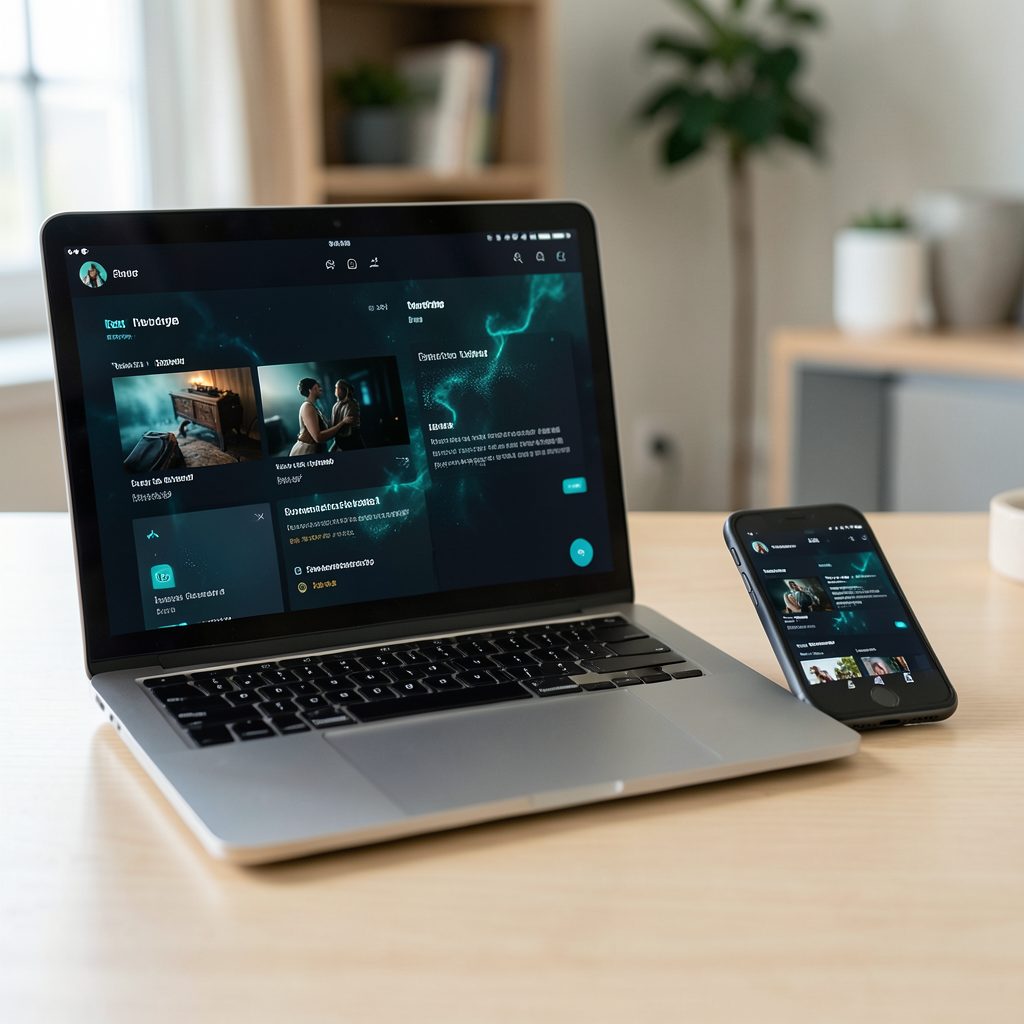
Popcorn Time has traditionally combined a catalogue-style interface with torrent-based playback, making it possible to start a film or television episode without downloading a complete file first. Casting that playback to a television can be convenient, especially when your phone is being used as a remote control rather than as the main screen.
Chromecast with Google TV works a little differently from older Chromecast models. It is a streaming device with its own menus, remote and apps, while also accepting Cast sessions from compatible phones. Whether Popcorn Time can connect directly depends on the particular fork, mobile operating system and media player included in that build.
The most reliable setup uses the phone and Chromecast on the same Wi-Fi network, a current version of Google TV and a Popcorn Time fork with a visible Cast button. If the application does not support Google Cast, you may need to mirror the phone screen or use a compatible player instead.
Australians using NBN connections in Sydney, Melbourne, Brisbane or regional areas will usually have enough bandwidth for high-definition streaming, although evening congestion can still affect playback. Mobile tethering, apartment Wi-Fi and data limits can create different problems, so preparation matters before starting a long film.
Check Compatibility Before You Cast
Begin by identifying which Popcorn Time fork is installed. Popcorn Time is not a single centrally maintained service, and different versions may offer different players, subtitle systems and casting features. An Android build may display a Google Cast icon, while an iPhone version may rely on AirPlay or may not support television playback at all.
On your Chromecast with Google TV, open Settings, choose System and install available updates. The device should be connected to the television through HDMI, signed into Google and connected to the same local network as the phone. A 5 GHz network can be helpful for high-bitrate video if the Chromecast and router are close enough.
Check that the Google Home application and Popcorn Time are updated on Android or iOS. A missing Cast icon is often caused by an outdated app, a guest network or a permission issue rather than a fault with the television. iPhones may need permission to access the local network before they can discover Cast devices.
A VPN can also affect device discovery. Some VPN applications route local traffic through a private tunnel, preventing the phone from seeing the Chromecast. If the Cast target disappears when the VPN is enabled, check whether the VPN has a local-network access option. Changing that setting can improve discovery, but it does not change the copyright status of the material being streamed.
Prepare the Chromecast and Home Network
Use the Google TV remote to confirm that the Chromecast is online. Opening YouTube or another legitimate streaming application is a quick way to test the device, HDMI input and internet connection separately from Popcorn Time. If those services buffer or fail to load, troubleshooting Popcorn Time first will probably waste time.
The phone and Chromecast must be on the same network name, or SSID. A common problem in Australian homes is that the phone remains connected to a mobile hotspot or a router’s guest network while the Chromecast uses the primary NBN connection. Public Wi-Fi in hotels, student accommodation and some short-term rentals may also block device-to-device communication.
Restart the phone, Chromecast and router if the device is not listed. Keep the phone within reasonable range of the access point, particularly in larger homes in Perth or Adelaide where the television may be in a distant room. A mesh system should normally handle this, but separate nodes or isolation settings can interfere with local discovery.
Avoid starting with a 4K torrent stream if the network is uncertain. High-resolution video consumes considerably more bandwidth than standard definition, and an unstable connection can create repeated buffering. Lowering quality in the app or selecting a smaller source often gives a steadier result on congested evening connections.
Cast Directly from an Android Phone
Open Popcorn Time on Android and select a title. After the available sources appear, choose a source with a suitable resolution and adequate seed availability. If the player offers a Cast icon, tap it and select the Chromecast with Google TV from the device list.
The television should switch to a loading screen before playback begins. Once connected, the phone normally controls pause, play, seeking, subtitles and volume. Keep the handset awake until the connection is established, but after casting begins, the display can usually be locked without stopping the television stream.
If several devices appear, identify the Chromecast by the device name shown in Google TV settings. Selecting a neighbour’s television or a bedroom Chromecast can be surprisingly easy in a block of flats. Renaming each Google TV device with a clear room label helps avoid mistakes.
Some forks pass the torrent stream directly to the Chromecast, while others send a playback command from the phone. The second method may stop when the application is closed or when Android aggressively restricts background activity. Allowing the app to remain active during playback can help, although battery use may increase.
Use an iPhone When Google Cast Is Available
On iPhone, the process depends heavily on the Popcorn Time fork. If the application includes a Google Cast button, connect to the Chromecast in the same way as on Android. When iOS asks for permission to find devices on the local network, choose Allow; refusing that permission prevents normal Cast discovery.
AirPlay and Google Cast are different technologies. An iPhone can send video to an Apple TV or an AirPlay-compatible television, but a standard Chromecast with Google TV does not automatically behave like an Apple TV. Some applications can bridge the gap through an approved receiver or a compatible media player, but results vary between forks.
If direct casting is unavailable, screen mirroring may be possible through a Google TV-compatible receiver application. This approach mirrors the entire iPhone display rather than sending a clean video stream, so notifications, incoming calls and screen orientation can appear on the television. It can also consume more battery and produce less reliable audio synchronisation.
For a smoother Apple setup, use a Popcorn Time build that explicitly lists Google Cast support or open a lawful media source in an iPhone application designed for Chromecast. The troubleshooting FAQ can help identify fork-specific playback and device-discovery issues before changing system settings.
Fix Buffering, Sound and Subtitle Problems
Buffering usually comes from an unreliable source, insufficient bandwidth or interference between the phone and router. Test another source for the same title, reduce the resolution and pause other large downloads. Someone playing online games in Brisbane or uploading cloud backups in Canberra can affect a shared home connection even when a speed test looks acceptable.
The Chromecast itself does not improve the quality of a weak torrent source. If the stream is poorly seeded, the phone may receive data too slowly for continuous playback. Choosing a source with more available peers may help, but torrent availability can change quickly and should never be treated as a guarantee of stable service.
Audio problems can occur when the source uses a codec that the television or player does not handle well. Try a different source or a simpler audio track. If sound comes from the phone instead of the television, stop casting, close the player and reconnect after selecting the Chromecast again.
Subtitle files may load late, use the wrong language or disappear after casting. Downloading or selecting a subtitle within the application before connecting can help. Avoid opening unknown subtitle files or media links from untrusted websites, as they can contain misleading redirects or malicious downloads.
Adjust Quality for Australian Connections
NBN plans vary widely, and advertised peak speeds do not always reflect performance during the evening. If a film repeatedly pauses between 7 pm and 10 pm, test a lower resolution and use an Ethernet adapter for Google TV if the router is nearby. Wired networking can be particularly useful in brick homes or rooms separated from the router by several walls.
Mobile users should be careful with hotspot streaming. A single high-definition film can consume several gigabytes, which may exhaust a prepaid allowance or trigger reduced speeds. This is relevant for travellers between regional towns, campers and households using fixed-wireless or mobile broadband instead of a standard wired NBN plan.
Within Popcorn Time, look for quality, bandwidth, cache and player options. A practical slower connections guide covers settings that may reduce interruptions without requiring a new router. Test changes with a short episode rather than beginning with a three-hour film.
VPN use requires a separate decision. A VPN can encrypt traffic between the phone and the VPN provider and may reduce exposure of an IP address to peers, but it cannot make unauthorised streaming lawful. It can also reduce speed, block local casting or create a different catalogue. Review the provider’s Australian privacy policy and terms, and do not assume that a VPN replaces copyright compliance.
Understand Legal and Device Safety Issues
Torrent-based streaming can involve downloading and uploading pieces of copyrighted films or programs. Australian copyright law does not generally make unauthorised access acceptable simply because the content is watched rather than saved permanently. Rights holders may also use different enforcement methods, and internet providers can respond to formal notices.
Content availability and licensing differ across Australia. A show available through ABC iview, SBS On Demand, 7plus, 9Now, Netflix, Stan, Binge or another licensed service may appear in an unauthorised Popcorn Time source as well, but the presence of a title in the app does not establish permission to watch it. Legal streaming services often provide better subtitle accuracy, device support and customer assistance.
Security deserves equal attention. Avoid downloading modified APK files, browser extensions or “codec updates” offered by random pages. Never provide Google credentials, banking information or remote-access permission to a site claiming to activate Chromecast playback. Keep Google TV, the phone and router firmware updated.
Before casting any title, verify that you have the right to access it in Australia and use a legitimate source whenever one is available. If a Popcorn Time fork behaves differently from the instructions above, treat that as a compatibility limitation rather than a reason to install unknown software or disable important security protections.
Once the Chromecast is updated, both devices share the same trusted Wi-Fi network, and the application’s Cast support has been checked, start with a short, legally authorised stream. Confirm picture, sound, subtitles and buffering before settling in for a full programme, and keep the Google TV software and phone permissions current for future sessions.