
How to Play Popcorn Time on Your TV With HDMI
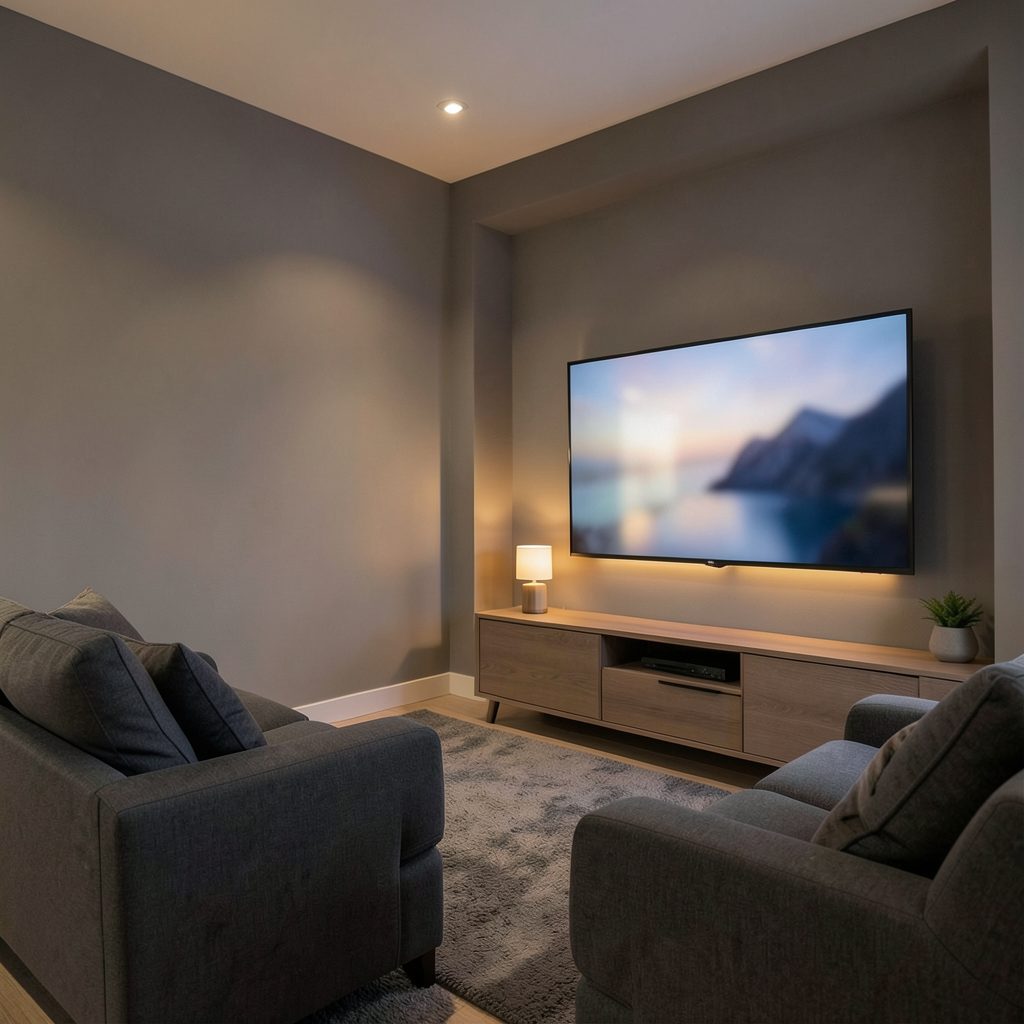
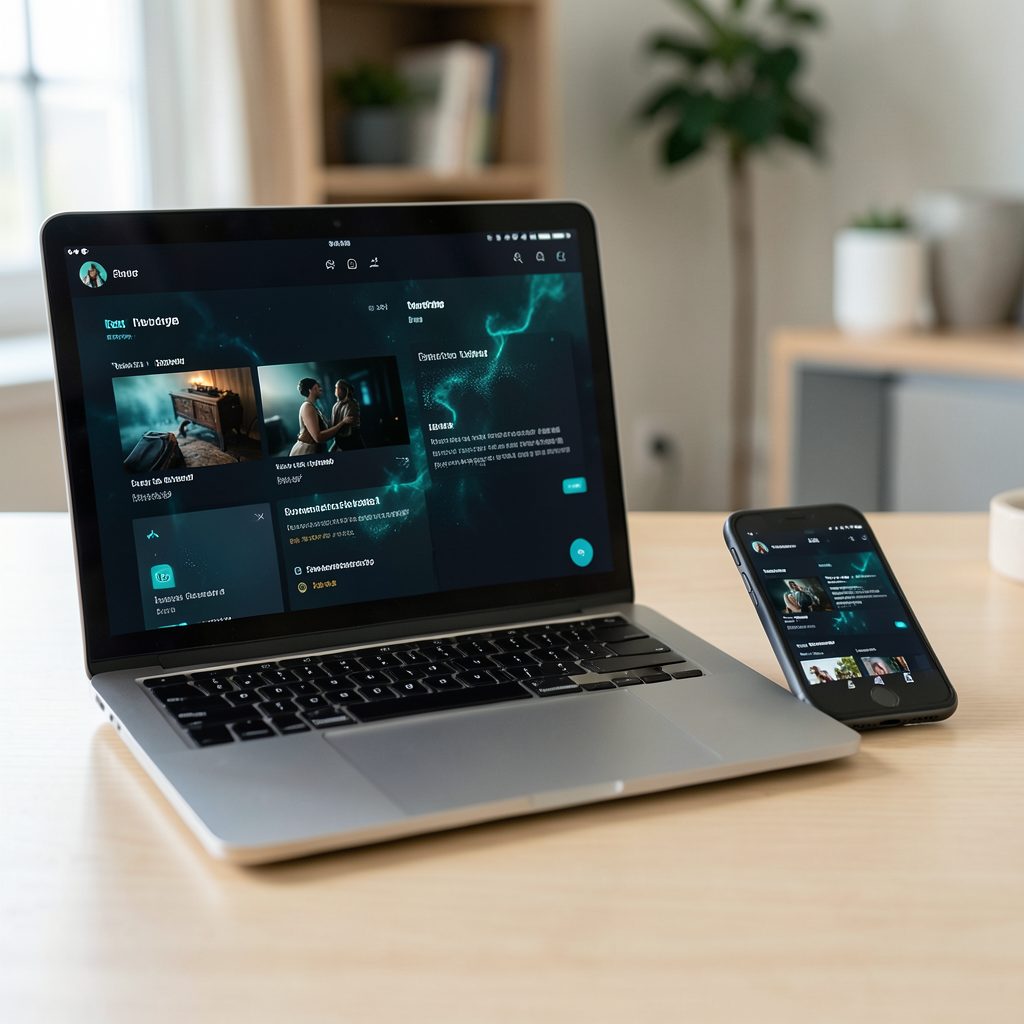
Watching a film on a laptop or phone can feel cramped, especially when several people are sharing the screen. An HDMI connection offers a straightforward way to send video and sound from a Popcorn Time-compatible device to a television, using the TV as a larger external display.
The basic arrangement is simple: the source device runs the application, an HDMI cable carries the signal, and the television displays it. The exact equipment depends on whether you are using a Windows computer, Mac, Android device, iPhone, or iPad. Some phones require a separate video adapter, while many computers already include a suitable HDMI port.
Popcorn Time uses peer-to-peer torrent technology, so availability, copyright rules, and streaming permissions vary by location. Before playing anything, use content you are legally entitled to access and check the laws that apply where you live. An HDMI cable changes the display method; it does not change the legal status of the content.
Choose The Right HDMI Equipment
Start by checking the ports on both devices. A standard laptop may have full-size HDMI, while a compact computer could use USB-C, Mini DisplayPort, or another output. Televisions usually include one or more full-size HDMI inputs labeled HDMI 1, HDMI 2, or similar. The cable or adapter must match the source output and the TV input.
A basic HDMI cable is sufficient for most 1080p playback. A High Speed HDMI cable is a sensible choice for higher resolutions, higher refresh rates, or longer cable runs. Expensive cables rarely improve image quality when a standard cable already supports the required signal. If the picture cuts out, flickers, or shows colored artifacts, replacing a damaged cable is more useful than buying a premium-branded one.
Mobile devices need extra attention. Many Android phones support video output through USB-C, but support differs by model. An iPhone or iPad generally needs a compatible Lightning or USB-C digital AV adapter, depending on the device generation. Some inexpensive adapters require external power, particularly when the phone must charge while sending video.
Prepare The Source Device
Install and open a compatible Popcorn Time version on the computer or mobile device before connecting the television. Forks can differ in interface, playback engine, subtitle controls, and operating-system support, so use a reputable source and examine the application’s permissions. For users working with an iPhone or iPad, the iOS download guide can provide platform-specific information before connecting an external display.
Close applications that consume substantial processing power, such as games, video editors, or large downloads. Streaming through torrent technology can use bandwidth while the video is playing, and limited memory or CPU capacity may cause buffering. Pause unnecessary transfers and connect the source device to a stable network.
On a laptop, set the display resolution to a sensible value before playback. A 1920×1080 output is generally reliable, while 4K settings can increase demands on the computer, cable, adapter, and television. On a phone or tablet, disable battery-saving settings that may interrupt playback or reduce performance during a long film.
Connect The Computer Or Mobile Device
With the television and source device available, connect the HDMI cable to the computer’s video output and an open HDMI input on the TV. If an adapter is needed, attach it firmly to the phone or tablet first, connect the HDMI cable to the adapter, and then select the corresponding television input using the TV remote.
Most operating systems detect the external display automatically. Windows commonly offers duplicate, extend, or second-screen-only modes through its display settings. Duplicate mode mirrors the computer screen on the TV, which is easiest for watching a film. Second-screen-only mode can reduce distractions and may help on a lower-powered laptop.
macOS provides similar choices through display settings, where the television can mirror the Mac screen or act as a separate desktop. If the Popcorn Time window appears on the laptop but not the television, move the window to the TV display or select mirroring. Full-screen playback should then occupy the selected screen.
For sound, open the operating system’s audio settings and choose the HDMI television or receiver as the output device. Some systems continue sending audio through built-in speakers until HDMI is manually selected. Adjust volume with the TV remote after confirming that the source device is producing sound.
Configure The Television For Playback
Select the HDMI input that matches the connected cable. If the screen remains black, wait several seconds for the devices to negotiate a signal, then disconnect and reconnect the cable. Switching the TV to another input and back can also prompt detection.
Televisions often include picture modes such as Cinema, Standard, Sports, or Dynamic. Cinema or Standard modes usually produce a more comfortable result for films. Disable excessive motion smoothing if movement looks unnatural, and check the aspect-ratio setting if faces or subtitles appear stretched.
Overscan can crop the edges of a computer desktop or hide subtitle lines. Look for settings named Screen Fit, Just Scan, 1:1, Full Pixel, or Fit to Screen. The exact wording depends on the manufacturer. If the desktop is visible but the Popcorn Time controls are clipped, adjusting the TV’s scaling is often the solution.
Keep the source device ventilated, especially when it is placed beside the television or inside an entertainment cabinet. A laptop running high-resolution video can become warm, and a phone connected through a powered adapter may also generate extra heat. Avoid covering vents or leaving a device on soft furniture during extended playback.
Fix Common HDMI And Playback Problems
A “No Signal” message usually points to the wrong TV input, a loose connection, an unsupported adapter, or a faulty cable. Test another HDMI port and, if possible, another cable. If the computer has more than one display output, check that the selected output is active in the operating system settings.
When video appears without sound, confirm that the television is selected as the audio output. Check the TV volume, mute status, and any connected soundbar or AV receiver. If sound is delayed, the television or receiver may have an audio-processing mode that adds latency; disabling extra processing can help.
Buffering is usually related to network conditions rather than the HDMI connection. A wired Ethernet connection to the computer can be steadier than Wi-Fi, while moving a laptop closer to the router may improve a wireless signal. Avoid starting several large downloads at the same time, and allow a legitimate stream to load adequately before switching to full-screen mode.
If subtitles fail to appear, verify that subtitles are enabled in the player and that the selected subtitle track is available. Very small text may result from the TV mirroring a low-resolution desktop. Increasing the source resolution or using the application’s subtitle-size controls can make dialogue easier to read from a distance.
Some devices display a warning about protected content or refuse to mirror certain video. This can happen because of digital-rights-management restrictions, adapter limitations, or an operating-system compatibility issue. Do not attempt to bypass protection. Instead, use an officially supported application, a compatible adapter, or content that permits external display playback.
Compare HDMI With Wireless Casting
HDMI is often preferred for dependable local playback, while Chromecast, AirPlay, and other wireless methods offer greater convenience. Wireless casting depends on compatible apps, network discovery, signal strength, and support from the television or streaming device. HDMI avoids many of those variables because it sends the display directly through a physical connection.
Casting can also work differently from screen mirroring. Some services transfer playback control to the TV or streaming stick, while mirroring simply reproduces the phone or computer screen. An application may support one method and restrict another. Check the capabilities of the specific Popcorn Time fork, operating system, and television before relying on wireless playback.
| Playback method | Equipment needed | Main benefit | Common limitation |
|---|---|---|---|
| HDMI from laptop | HDMI cable or video adapter | Stable video and audio | The computer remains physically connected |
| HDMI from phone or tablet | Compatible digital AV adapter and cable | Large-screen playback from a mobile device | Device and adapter support varies |
| Chromecast-style casting | Compatible TV or casting device and Wi-Fi | Convenient remote control | Depends on app and network support |
| AirPlay mirroring | Apple device and AirPlay-compatible receiver | Simple Apple ecosystem integration | Some apps or video types may restrict mirroring |
| Wireless screen mirroring | Supported source and television | No cable across the room | More sensitive to interference and delay |
For a long film, HDMI tends to be the predictable choice when the source device is nearby. Wireless playback is useful when cable management matters or the television has strong native support. A streaming device with an approved application can be preferable to mirroring a phone, provided the software and content are legally supported in your region.
Use A Safe And Practical Setup
A few preparation steps make the viewing experience smoother:
- Confirm that the Popcorn Time version and operating system are compatible before connecting the TV.
- Use a short, undamaged High Speed HDMI cable when 1080p or higher playback is required.
- Select the correct HDMI input and set the television as the audio output device.
- Keep the laptop or mobile device cool, charged, and connected to a reliable network.
- Watch only content you are permitted to access, and review local copyright and privacy requirements.
Avoid installing random browser extensions, modified installers, or unknown “codec packs” that claim to improve HDMI playback. They can introduce unwanted software or request permissions unrelated to displaying video. A cable connection does not require a special HDMI driver in most cases; the necessary display support is normally built into the operating system.
If several people are watching, connect the source device to power before starting. Set the TV picture mode and subtitle size in advance, then test a short portion of playback. This exposes problems with audio routing, screen scaling, or buffering before the main viewing session begins.
Connect the cable, choose the correct input, and run a brief test with permitted content. Once the picture, sound, subtitles, and network performance are working properly, HDMI provides a simple large-screen route from a compatible Popcorn Time device to the television.