


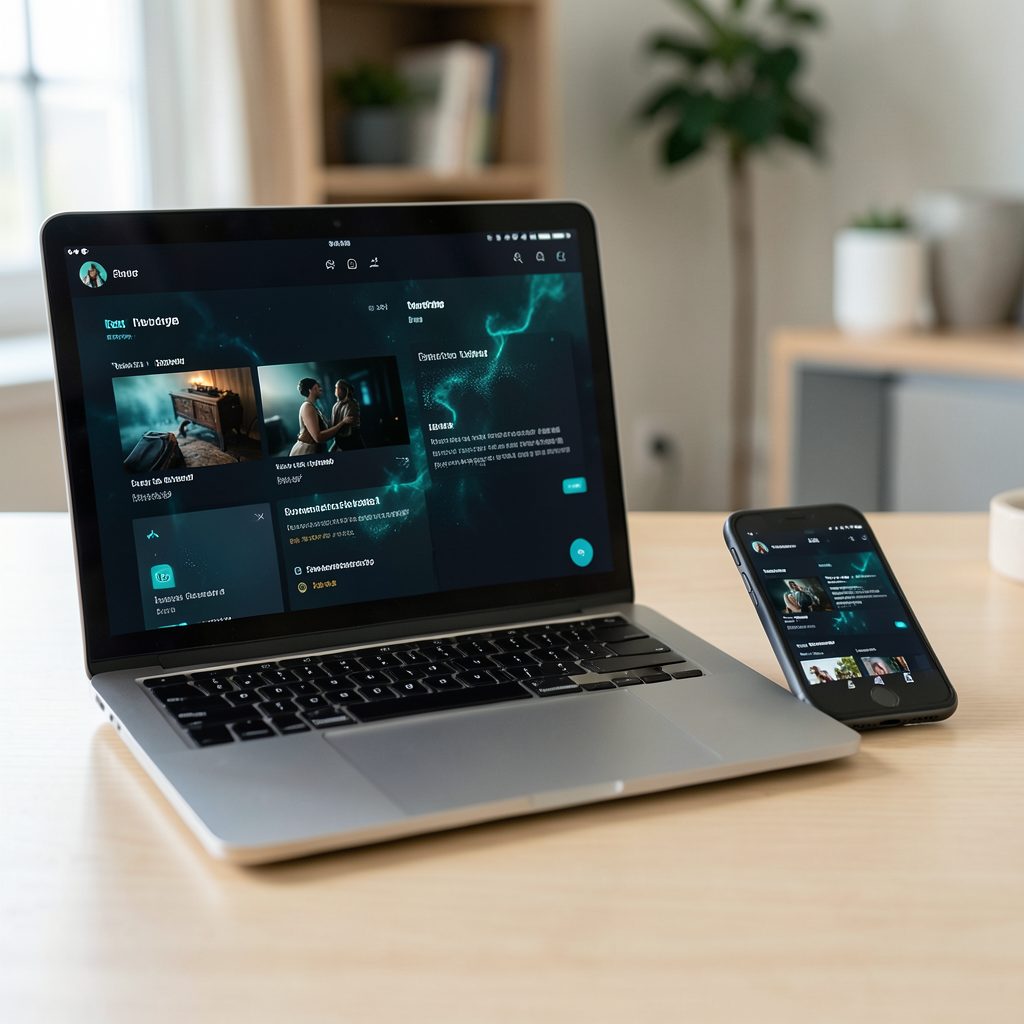
How to Install Popcorn Time on Apple Silicon Macs
Apple's move from Intel to its own silicon chips has changed how Australians run third-party apps on their Macs. When the M1 launched in late 2020, it delivered major gains in performance and battery life, but it also created compatibility headaches for software built on older architectures. Popcorn Time, the slick torrent-streaming client that mimics subscription platforms, sits in that grey zone. The original build was compiled for x86 processors, and while native ARM versions now exist, getting everything running smoothly still requires a few extra steps.
Australian Mac users keep their machines for years, often passing older Intel MacBooks to family while upgrading to the latest Air or Pro. If you have recently bought a MacBook Air M2 from JB Hi-Fi or a Mac Studio M3 Max from a Sydney reseller, the installation process differs from what older guides describe. NBN connections in most suburbs handle HD streaming easily, but the underlying architecture of your Mac matters more than your internet plan for app compatibility.
One thing worth understanding upfront is the difference between Popcorn Time and services like Binge or Stan, and other apps with similar names such as Popcornflix. The naming overlap causes plenty of confusion online, and the Popcorn Time vs Popcornflix guide helps separate the torrent-based streamer from the ad-supported free service that operates under entirely different rules. Knowing which one you are actually installing matters for functionality and the legal framework under Australian law.
Before you begin, think about whether a VPN is appropriate. Australian copyright law treats unauthorised streaming of copyrighted material seriously, and rights holders monitor torrent swarms. Many Aussies already use VPNs for accessing overseas Netflix libraries or watching the AFL while travelling, so adding Popcorn Time to that toolkit is familiar. Just make sure your VPN has Australian servers, such as in Sydney or Perth, for the best speeds.
Understanding Apple Silicon Compatibility
The M1, M2, and M3 chips share ARM-based architecture, fundamentally different from the x86 instructions older Macs used. Apps written for Intel Macs can still run through Rosetta 2, a translation layer in macOS that handles conversion on the fly. The downside is a small performance hit and occasional instability, particularly for media-heavy apps. Popcorn Time juggles video decoding, BitTorrent traffic, and a React-based interface simultaneously.
Native Apple Silicon builds exist and run noticeably smoother on machines like the MacBook Pro 14-inch with M3 Pro or the Mac Mini M2. If you can find a recent fork listing ARM64 support, that is usually the best path. When only Intel builds are available, the Rosetta 2 version still works but uses more CPU and may spin up fans during 1080p playback. Battery drain is heavier when emulation is involved, which matters if you stream on the go.
Preparing Your Mac Before Installation
macOS Gatekeeper is the first hurdle most people hit. By default, Apple only allows apps from the App Store or identified developers to run. Because Popcorn Time is open-source software distributed outside the App Store, you need to manually approve it the first time. Open System Settings, then Privacy & Security, scroll to the bottom, and click Open Anyway next to the blocked app message.
Check that your macOS version is recent enough too. Popcorn Time forks generally support Ventura and Sonoma, with varying support for newer releases. If you are still running Monterey on a 2017 Intel MacBook, the experience differs from someone on a 2024 M3 Pro. Most Australian Mac owners updated to Sonoma quickly after its release. Also, ensure you have at least 2GB of free disk space and a stable NBN connection before you start, particularly if you are on a metered plan through Belong or Superloop.
Downloading the Right Popcorn Time Build
Always grab Popcorn Time from a trusted source. The project has been forked many times, and unofficial mirrors sometimes bundle adware. The official website and well-known GitHub forks are the safest bets. Look for builds that explicitly mention Apple Silicon, ARM64, or M1/M2/M3 compatibility in their release notes. Avoid any site asking you to install a separate codec pack or media player, as this is a common malware tactic.
For Australians concerned about privacy, downloading over a VPN is a sensible precaution, especially on public Wi-Fi at a café in Brisbane or a coworking space in Collingwood. Major Australian ISPs like Telstra and Optus have been known to throttle or flag torrent traffic, so a VPN with obfuscated servers helps maintain consistent speeds. File integrity matters too: if the build is a DMG, check its SHA-256 checksum against the value published by the developer.
Installing Popcorn Time on macOS
Once you have downloaded the correct DMG, double-click it to mount the disk image. Drag the Popcorn Time icon into Applications, then eject the DMG from Finder. Do not run the app directly from the disk image, as macOS treats that location as read-only and may cause permission errors later. Moving it to Applications ensures proper integration with Launchpad and Spotlight.
The first launch is where Gatekeeper intervenes. Click the app icon, then choose Open from the menu. You may see a warning about an unidentified developer; click Open Anyway and authenticate with Touch ID or your password. This approval is saved for future launches. If you are running an Intel-only build on an M-series Mac, macOS prompts you to install Rosetta 2 the first time if it is not already present.
Common Issues and Troubleshooting
The most frequent problem reported by Australian users is a blank window or crash on launch, usually pointing to a corrupted download. Delete the app, redownload the DMG, and try again. If the issue persists, check the Console app under Utilities for crash logs mentioning Popcorn Time. These often reveal a missing framework or permission issue.
Performance stuttering is another common complaint, particularly on the entry-level M1 MacBook Air with 8GB of unified memory. Lowering quality from 1080p to 720p usually solves this. The M3 version handles thermals better thanks to efficiency improvements, but even so, keep an eye on temperatures during long viewing sessions. VPN issues can also masquerade as app problems: if the catalogue will not load, your VPN server may be congested or blocked. Try switching to a different Australian server or a nearby location like New Zealand.
Staying Safe and Legal in Australia
Streaming copyrighted content without permission remains illegal under the Copyright Act 1968, and Australian rights holders have issued infringement notices through ISPs. While individual prosecutions are rare, the legal risk is real, which is why a reputable VPN with a strict no-logs policy is strongly advised. Pick a provider based outside the Five Eyes alliance if you want maximum privacy, though many Australians choose local servers for speed.
Beyond legal considerations, think about general digital hygiene. Keep your VPN running whenever you use Popcorn Time, avoid logging into personal accounts while torrenting, and consider using a dedicated email for any related services. These small habits go a long way towards protecting your identity online, regardless of what you are doing.
Practical Recommendations Before You Start
Before you dive into the installation, run through this checklist to make sure your Mac and network are ready. Paying attention to these small details upfront will make the actual installation far smoother and reduce the chance of mysterious errors halfway through.
Most of these recommendations take only a minute or two to action, but they collectively cover the most common stumbling blocks that catch out first-time installers. From verifying hardware compatibility to confirming your VPN is working correctly, each step builds confidence that the app will behave as expected once it is running.
- Verify you are downloading a native Apple Silicon build rather than an Intel version that requires Rosetta 2.
- Check the developer's published SHA-256 checksum to confirm the file has not been tampered with.
- Connect to a trusted VPN before launching Popcorn Time, especially on Australian ISP networks that monitor peer-to-peer traffic.
- Approve the app in System Settings under Privacy & Security after the first blocked launch attempt.
- Free up at least 2GB of disk space and close memory-heavy apps if you are running an 8GB base-model MacBook Air.
- Test AirPlay or Chromecast early to confirm your network setup supports casting without buffering.
- Keep your macOS version current and revisit the installation steps after major system updates.
Grab the right Popcorn Time build for your M-series Mac, fire up your VPN, and enjoy cinema-quality streaming the easy way.