
How to Fix Popcorn Time’s Library Failed to Load Error
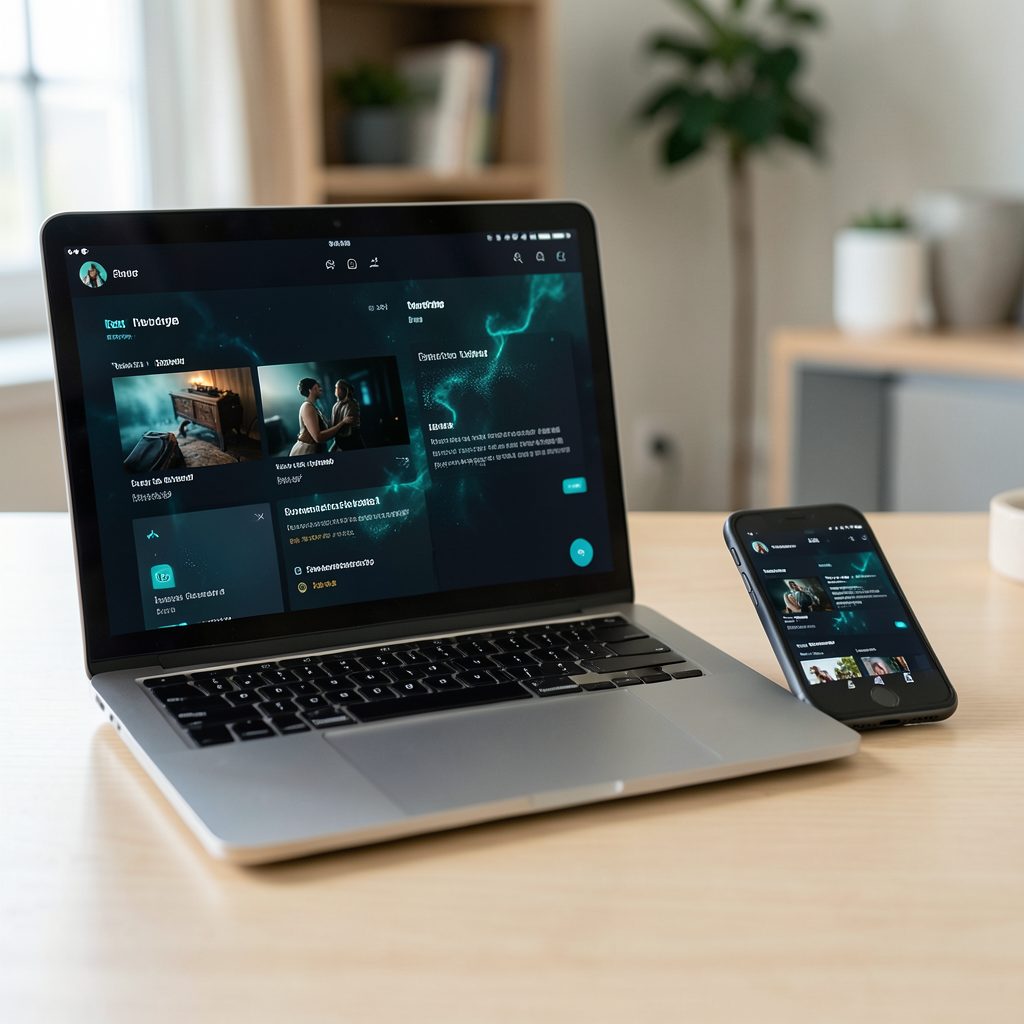
Popcorn Time’s “Library Failed to Load” message usually appears when the app cannot retrieve catalogue data, connect to a service endpoint, or read information saved on your device. The result is often an empty home screen, missing films and shows, or a library that keeps spinning without displaying titles.
The fault can occur on Windows, macOS, Android, Android TV and some Linux-based devices. It may be temporary, caused by an outdated fork, or linked to local settings such as cached data, incorrect permissions, DNS filtering or a damaged configuration file. Work through the checks below in order, starting with the quickest fixes.
Check Whether The Service Is Available
Before changing settings, determine whether the problem is local to your device. Close Popcorn Time completely, wait a few minutes and open it again. If the catalogue service is undergoing maintenance or a particular fork has lost access to its metadata provider, reinstalling the app will not solve the issue.
Try loading a few ordinary websites on the same connection. If pages are slow or fail to open, restart your modem and router. NBN connections can occasionally suffer from brief dropouts, and a device may remain connected to Wi-Fi while losing reliable internet access. A quick test using mobile data can show whether the home network is responsible.
Service availability can also vary by fork. Popcorn Time is not a single centrally maintained product, so different builds may use different catalogue, subtitle and torrent sources. If your installation is old, check the official download page and compare the available release with the version installed on your device.
Avoid downloading replacement builds from random mirrors. Modified installers can contain unwanted software, misleading advertisements or unsafe configuration files. Use a recognised source, scan downloaded files with your security software and keep your operating system updated before launching a new build.
Restart The App And Refresh Its Connection
A complete restart is more useful than simply returning to the home screen. On Windows, quit Popcorn Time from the system tray if it remains there. On macOS, use Quit from the application menu. Android and Android TV users should open the app settings and select Force Stop before launching it again.
If the library loads after a restart but fails again later, sign out of any account connected to the fork, if that option exists, then sign in again. A stale session token may prevent the app from requesting catalogue data correctly. Do not repeatedly click the refresh button, as this can create several failed requests and make a slow service appear frozen.
Restart the device as well when the application has been running for a long time. Smart TVs and streaming boxes often have limited memory, and background apps can interfere with playback or catalogue loading. On a Chromecast or Android TV box, unplugging the device for around 30 seconds can clear a temporary network state that a normal standby cycle leaves behind.
Check the device date and time while you are there. An incorrect clock can invalidate secure connections and make the library endpoint appear unavailable. Set the date, time and time zone automatically, then reopen the application.
Clear Cache Without Losing Useful Settings
Corrupted cached data is a common reason for a blank or failed library. Cache files hold temporary artwork, search results and catalogue responses. If one of those files becomes incomplete after an update or network interruption, Popcorn Time may fail before it can display the main screen.
On Android, open Settings, Apps, Popcorn Time, Storage and select Clear Cache. The exact wording varies between manufacturers. Android TV may place the same controls under Apps and See All Apps. Clear the cache first rather than selecting Clear Storage, because clearing storage can remove preferences, watch history and saved settings.
Windows users can close the app and remove its temporary data from the Popcorn Time folder in the user profile. The location differs between forks, so check the application’s documentation before deleting anything. macOS users should look in the application support and cache folders within their user Library. If you are unsure which files are temporary, back up the folder instead of deleting it permanently.
If clearing the cache does not help, reset the application data as a second step. Record your preferred subtitle language, playback settings and parental controls first. Families using a shared television should review parental control setup after a reset, because those preferences may return to their defaults.
Test Network, DNS And Security Settings
A library request can fail even when video streaming websites work. Popcorn Time may need access to several separate services for catalogue information, images, subtitles and torrent metadata. A DNS filter, firewall rule or content-control product can block one endpoint while allowing the rest.
Temporarily test the app on a different connection, such as a phone hotspot. If the library works there, review your home router’s DNS settings and security filters. Some Australian households use ISP safety features, third-party family filters or Pi-hole-style blockers. These can occasionally classify a legitimate catalogue or image domain as suspicious.
Changing DNS may help with resolution problems, but it does not make unauthorised streaming lawful or guarantee access to every source. If you manage the network, try a reputable public DNS provider or your ISP’s default DNS, then restart the affected device. Flush the DNS cache on Windows with the appropriate system command, or simply reboot macOS, Android TV or the router.
Firewalls and antivirus tools can also interfere with the application. Check whether Popcorn Time has been blocked from making outbound connections, especially after an update changed its executable file. Allow only the trusted application and avoid disabling security protection permanently. On a work, school or public network, restrictions may be intentional and should not be bypassed without permission.
Update Or Reinstall The Correct Fork
An outdated build may still open normally while failing to load current catalogue feeds. This happens when an API changes, a certificate expires or a provider removes support for older requests. Check the application’s version information and compare it with the release listed by the fork’s recognised website.
Before reinstalling, export or note any settings you want to keep. Uninstall the existing application, restart the device and install a clean current release. A clean installation is especially useful when the error began immediately after an update and remains after clearing the cache.
Choose the package that matches your platform. A Windows installer will not work correctly on macOS, while Android TV builds may behave differently from phone versions. On Apple devices, unofficial installation methods can stop working when certificates expire or operating-system security rules change. Avoid forcing an installation from an unknown source simply to restore the library.
Forks can also differ in how they index films, television episodes and subtitles. One fork may display a catalogue while another has an empty library because its backend is offline. Keep notes about the fork name and version when seeking support, since “Popcorn Time” alone does not identify the software precisely.
Fix Permissions, Storage And Display Problems
The library may technically load but remain invisible because the app cannot save data or the interface is rendering incorrectly. Check that the device has free storage, particularly on Android TV boxes with small internal drives. A nearly full drive can prevent artwork, database files or temporary metadata from being written.
Review app permissions after an operating-system update. Popcorn Time may need network access and, depending on its design, permission to read or write selected storage locations. Grant only the permissions required by the application. If the app has been moved to an SD card, test it from internal storage, as a failing or slow card can cause repeated database errors.
Try changing the interface language, theme or display scaling if the menu appears blank but navigation still works. A graphics issue can make text and posters disappear without affecting the underlying catalogue. Updating the device’s graphics drivers on Windows or installing pending system updates may resolve the problem.
For Chromecast and AirPlay, confirm that the phone or computer and receiving device are on the same local network. Guest Wi-Fi often isolates devices from one another, so casting may fail even though the library works on the sender. Test the catalogue directly on the source device before troubleshooting the television connection.
If none of these steps works, collect useful details before seeking help: operating system, Popcorn Time fork and version, exact error wording, network type, and whether another connection made a difference. Do not include passwords, private keys or personal account information in a support post.
Popcorn Time’s availability and the sources it indexes can change quickly. Streaming or downloading copyrighted films and television programmes without permission may breach Australian copyright law, and rights holders may use notices, blocking measures or other enforcement options. Check that the content and service you use are authorised in Australia, and consider licensed services when a title is available through them.
Start with a restart and network test, then clear the cache, verify DNS and permissions, and update only from a trusted source. These steps resolve most library-loading faults without wiping useful settings or compromising device security.