


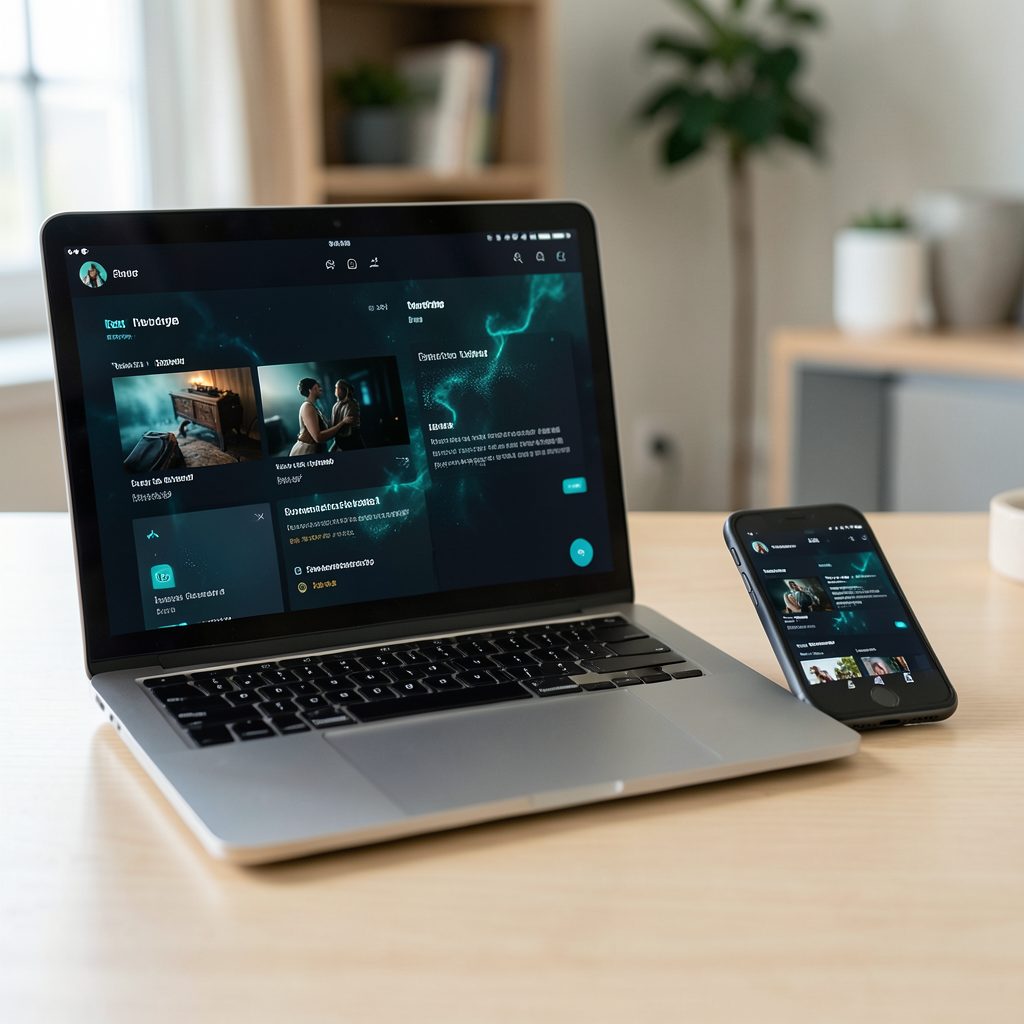
How to Fix Popcorn Time Not Showing New Movies
When Popcorn Time stops displaying recently released films, the problem is usually related to stale metadata, an outdated catalog source, or a failure to connect with the service that supplies movie information. The application may still open normally, making the missing titles seem like a content problem rather than a technical one.
Different Popcorn Time forks use different databases, APIs, scrapers, and torrent indexes. A title may therefore appear in one version while remaining absent from another. Release timing also varies by country, source quality, subtitle availability, and whether a legitimate digital release has taken place.
Before changing advanced settings, check that the application is current, your device has a reliable connection, and the movie is genuinely available through the catalog being used. Popcorn Time relies on third-party sources, so there is no guarantee that every new film will be listed immediately or at all.
Check the catalog and release timing
A film’s cinema premiere does not usually mean it is available for streaming through Popcorn Time. New movies generally appear only after a digital, Blu-ray, or other online release creates a compatible video file. If a title is still playing in theaters, it may not have a stable source that the application can index.
Search for the official digital release date in your region, then allow some time for catalog services to update. Movies can be released on different dates in the United States, the United Kingdom, Australia, and other markets. A newly available film may also be listed under an alternate title, translated title, or year designation.
Use the application’s search function instead of relying only on the home screen. The featured carousel and “latest” category may be cached or limited to a particular provider. Searching by the exact title, original-language title, or release year can reveal a listing that is missing from the main browsing view.
Refresh the app’s metadata
An outdated cache is one of the most common reasons for missing movies. Popcorn Time may store catalog responses locally so that pages load faster, but that information can become stale when the provider changes its feed. Closing and reopening the app may not be enough to force a complete refresh.
Start by signing out if the fork includes an account option, then close the application fully. On Android, remove it from the recent apps screen. On Windows or macOS, quit it rather than simply closing the window. Reopen the program and wait several minutes for the catalog to synchronize before searching again.
If the app offers settings such as “refresh library,” “clear cache,” or “reset catalog,” use those options first. Clearing cache normally removes temporary listings without deleting personal files, but the exact behavior differs between forks. Read the on-screen warning before confirming a reset.
On mobile and streaming devices, the operating system may preserve application data even after the app is closed. If refreshing fails, clear the app cache through system settings. Avoid deleting saved configuration folders unless you have recorded your preferences and understand what will be removed.
Confirm the Popcorn Time fork is working
There is no single universally maintained Popcorn Time application. Several forks use different interfaces and content providers, and some projects become inactive without a clear warning. An app that still launches can therefore be using a discontinued catalog endpoint.
Look for the version number in the settings or about screen and compare it with the official page for that specific project. Do not download random replacement installers from pop-up advertisements, unofficial mirrors, or pages that request unusual permissions. Malicious replicas often imitate the Popcorn Time design while bundling unwanted software.
If your current fork has stopped receiving new releases, reinstalling it may not solve the problem. A newer build or another maintained project may use a different data source. However, switching applications can change subtitle support, device compatibility, playback quality, and privacy practices, so review those details before installing anything.
For users deciding whether a catalog-focused app is still suitable, this Kodi comparison guide explains how a media-center alternative differs in content organization, add-ons, and platform behavior. Kodi itself does not automatically provide copyrighted streams; its capabilities depend on the add-ons and sources a user chooses.
Troubleshoot network and provider access
A catalog request can fail even when other websites load normally. DNS filtering, restrictive networks, firewall rules, and temporary provider outages may prevent the app from reaching the service that supplies movie details. In that situation, the home screen may show older cached titles while new entries never arrive.
Test the application on another connection, such as a mobile hotspot, to identify whether the network is responsible. Restart the router, temporarily disable restrictive parental controls, and check whether the device’s date and time are set automatically. Incorrect system time can interfere with secure connections and make a catalog endpoint appear unavailable.
Some networks block torrent traffic or related domains. A VPN can improve privacy and sometimes resolve routing problems, but it does not guarantee access to a missing catalog. Choose a reputable provider with clear data-handling policies, and understand that VPN use does not change copyright rules or make unauthorized distribution lawful.
If the app displays an error such as “API unavailable,” “failed to load,” or “no sources found,” wait and try again later. Repeated requests will not repair an offline provider. Check the fork’s official status information or community announcements where available, and avoid entering account details into unofficial troubleshooting pages.
Compare symptoms with likely fixes
The exact symptom can indicate whether the issue is local, network-related, or caused by the catalog itself. A blank home screen points to a different problem than a search result with no playable sources. Use the following checks in order, beginning with the least disruptive option.
| Symptom | Likely cause | Practical action |
|---|---|---|
| Home page shows only old films | Cached catalog or failed refresh | Restart the app, clear its cache, and reload the library |
| Search cannot find a recent title | Delayed release, alternate title, or incomplete database | Check the digital release date and search the original title |
| The movie appears but has no sources | Missing torrent index results or low availability | Try again later and check another legal source |
| New titles appear on another device | Local app data or device-specific settings | Update the app and reset local catalog data |
| Every category is empty | Provider outage, blocked endpoint, or network failure | Test another connection and verify service status |
| Only one fork lacks recent movies | Discontinued or outdated data provider | Check the project version and its official announcements |
Avoid repeatedly uninstalling and reinstalling before identifying the symptom. Reinstallation can remove settings while leaving the underlying provider outage unchanged. It is more useful when the application is corrupted, fails after an update, or behaves differently from the same version on another device.
Update carefully and protect your device
An old application build may rely on an API that has changed or been retired. Updates can restore catalog access, fix search bugs, and improve compatibility with newer operating systems. Before updating, note your preferred language, subtitle settings, download location, and playback configuration.
Only obtain updates from a project’s recognized website or official release channel. Verify the file type and scan downloads with reputable security software. Be particularly cautious of installers that require browser extensions, administrator access unrelated to installation, or bundled “ codec” tools.
A clean installation may help when the local database is damaged. Uninstall the existing build, remove leftover application data only if the project’s instructions recommend it, restart the device, and install a verified current version. This process can resolve a catalog that remains frozen after cache clearing, but it cannot restore a provider that no longer operates.
Keep the operating system, media player, and security tools updated as well. Popcorn Time playback often depends on external codecs, network permissions, or hardware acceleration. If new movie listings return but playback fails, treat streaming quality as a separate issue from catalog visibility.
Use lawful sources when listings remain unavailable
A missing movie is sometimes a sign that it is not legally available in the relevant market or has not reached a supported release format. Searching for an unofficial copy simply because the title is absent can expose a device to malware, misleading files, or copyright complaints. The safest response is to identify authorized availability first.
Check reputable rental and purchase stores, subscription services, broadcaster platforms, and the distributor’s own release information. Availability trackers can show which service carries a film in a particular country. Libraries and local digital lending services may also provide legitimate access to older titles.
Remember that Popcorn Time’s technology and its content sources are separate issues. Some forks index material that users may not have permission to access, and laws differ by jurisdiction. A VPN may conceal an IP address from some observers, but it does not grant permission to stream or download copyrighted content.
Use these checks as a practical order of operations:
- Confirm the movie has a digital release in your country.
- Search by the original title, translated title, and release year.
- Refresh the catalog and clear temporary application data.
- Test another network before changing advanced settings.
- Prefer authorized streaming, rental, purchase, or library options when available.
When Popcorn Time still does not show a new film after these steps, the catalog provider may simply lack the title or may be offline. Record the app version, device, error message, and date of the failed search before checking the project’s official support channels. That information makes it easier to distinguish a local configuration problem from a service-wide limitation.
Keep your installation limited to trusted sources, review the legal rules that apply where you live, and use legitimate platforms for films that are not available through the application. A refreshed catalog and a careful source check will usually reveal whether the issue can be fixed locally or whether the movie must be found elsewhere.