How to Customize the Popcorn Time Interface With Themes
A well-chosen theme can make Popcorn Time easier to navigate, more comfortable to watch at night, and better suited to the device connected to your television. Changing colors, spacing, artwork, and text contrast can also give an older fork a cleaner, more modern appearance without changing its streaming features.
Theme support differs between Popcorn Time versions. Some forks include a theme selector in the settings menu, while others rely on configuration files, browser-style overrides, or community-created interface packages. A theme designed for one release may display incorrectly in another, so compatibility should be checked before making changes.
Customization is cosmetic, but it can affect usability. A background that looks attractive on a laptop may appear too dark on a television, and an animated design may consume extra resources on an older Android box. The safest approach is to make one change at a time, preserve the original settings, and test the interface on the screen you use most.
Check Theme Support Before Making Changes
Open Popcorn Time’s settings and look for options such as Appearance, Interface, Skin, Theme, or Display. The wording can vary between forks and operating systems. If a built-in selector is available, it is usually the safest route because the application can apply compatible colors and layouts automatically.
Some versions offer only a light and dark mode rather than complete skins. In that case, customization may include accent colors, subtitle appearance, poster size, language, animation, and layout density. These smaller changes can have a substantial effect on browsing, especially when the application is controlled with a remote rather than a mouse.
If there is no appearance menu, avoid downloading an unverified executable that claims to add themes. A theme should generally be a documented package, a set of image and style files, or a configuration change—not a replacement application with unknown permissions. Check the fork’s release notes and community documentation for supported formats before copying anything into its installation directory.
Back Up Settings And Media Preferences
Before editing configuration files, close Popcorn Time completely. Depending on the platform, preferences may be stored in an application data folder, a user profile directory, or a portable folder beside the program. The exact location differs across Windows, macOS, Linux, Android, and unofficial forks.
Copy the relevant settings folder to another location and give the backup a clear name. This preserves choices such as subtitle language, download location, playback behavior, watched status, and network preferences. A theme installation that goes wrong can then be reversed without rebuilding the entire profile.
It is also useful to record the original interface settings. Take a screenshot of the appearance menu or note the values in a text file. If the application fails to start after a manual modification, remove the changed theme file or restore the backup rather than repeatedly reinstalling the program. A broader troubleshooting checklist can help when a visual change causes missing menus, crashes, or unusual playback behavior.
Choose A Theme That Matches Your Screen
The best theme is determined by viewing distance, lighting, and input method. A television interface needs large labels, strong focus indicators, and clear separation between selectable items. A desktop display can accommodate denser information, smaller posters, and more detailed metadata.
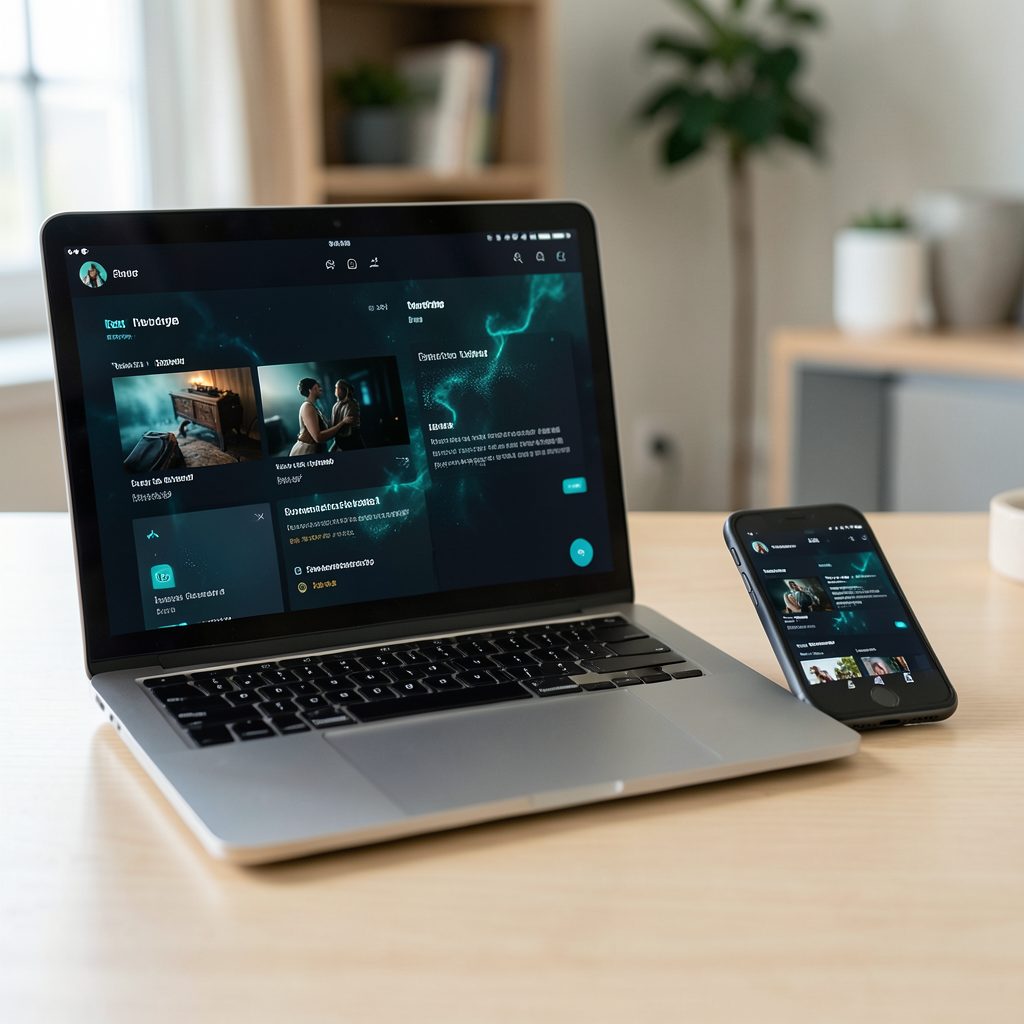
Dark themes are popular because they reduce glare in dim rooms and allow movie artwork to stand out. They are not automatically easier to read, however. Gray text on a black background can be difficult to distinguish, while very bright accent colors may cause eye fatigue. Look for a clear contrast between the page background, headings, selected buttons, and secondary information.
A light theme can work well in daylight or on a laptop used for browsing. It should avoid pure white backgrounds if the application is used for long periods, especially when posters and video previews are displayed continuously. Neutral backgrounds, moderate contrast, and restrained accent colors usually remain comfortable across different displays.
| Interface Element | Useful Customization | What To Check |
|---|---|---|
| Background | Dark, light, or muted neutral color | Text and poster edges remain visible |
| Accent color | Highlight for buttons and selected items | Focus state is obvious from a distance |
| Typography | Font size, weight, and subtitle style | Small text is readable on the target screen |
| Poster grid | Compact, standard, or spacious layout | Titles do not become truncated |
| Navigation | Sidebar, top bar, or simplified menu | Remote and keyboard movement remain predictable |
| Animation | Transitions, previews, and motion effects | Older hardware stays responsive |
Install A Built-In Or Community Theme
When a theme selector exists, apply the design from inside the application and restart Popcorn Time if requested. Some interface elements load only during startup, so a partial change does not necessarily mean the theme is defective. Check the home screen, library, search results, detail pages, and playback controls after restarting.
Community themes should come from a source that identifies the supported fork and version. Read the installation notes carefully, because a package may replace a stylesheet, add image assets, or modify a particular configuration value. Keep a copy of the original files before overwriting them, and avoid packages that require disabling security software or granting unrelated system permissions.
Manual installation often involves placing assets in a theme directory and selecting the package from settings. If the fork has no documented theme folder, do not guess at system locations. An incorrect edit can prevent the interface from loading, and files copied into a system-wide directory may be overwritten during the next update.
Do not assume that a theme from a similarly named fork will work. Popcorn Time releases may use different frameworks, menu structures, and asset names. A design can appear to install successfully while leaving blank panels, broken icons, or unusable focus states. Version matching matters more than visual similarity.
Fine-Tune Readability And Playback Controls
After applying a theme, inspect the interface at its normal viewing distance. Confirm that the selected menu item is obvious, buttons have enough spacing, and labels do not disappear against poster artwork. Keyboard focus, controller focus, and touch feedback should each be visible if the application supports several input methods.
Subtitle presentation deserves separate attention. A stylish interface theme does not improve subtitles if the text is too small, the outline is weak, or the color blends into bright scenes. Use a readable typeface, a moderate size, and an outline or shadow that remains visible without covering too much of the picture.
If a theme adds animated backgrounds, automatic trailers, or high-resolution artwork, test it on the device used for playback. Older hardware may experience delayed scrolling, fan noise, memory pressure, or stuttering when a visually demanding home screen is active. Disable unnecessary motion and previews if browsing becomes sluggish.
Theme changes should not alter torrent behavior, storage locations, subtitle downloads, or playback protocols. If those settings change unexpectedly, restore the backup and investigate the package. Interface customization should remain separate from network and media configuration whenever possible.
Keep Customizations Stable Across Updates
Application updates can replace theme files or change the names of interface components. Before updating, save the active theme package and export or copy the configuration again. After the update, verify that the theme is still compatible rather than forcing an old design onto a new build.
A simple color adjustment is usually easier to maintain than a heavily modified layout. Prefer themes that use documented settings and ordinary asset files. Designs that alter several core components may look impressive but require repeated repairs after every release.
If the interface becomes blank, unreadable, or stuck on a loading screen, close the application and return to the original files. When that is not enough, clear only the interface cache or theme data if the fork provides such an option. Clearing all application data may remove watch history and other preferences, so it should be treated as a later step.
Keep a short record of the version, theme name, installation method, and changes made. This makes it easier to identify whether a problem came from the theme, an application update, a graphics driver, or a platform-specific limitation.
Use A Safer Theme Selection Checklist
A practical review before installation can prevent most interface problems. The following points are useful for comparing a built-in skin with a community design:
- Confirm that the theme supports the exact Popcorn Time fork and application version.
- Check contrast, font size, focus indicators, and subtitle readability on the intended display.
- Back up settings and original theme files before changing anything.
- Avoid packages that are bundled with modified executables, intrusive permissions, or unclear download sources.
- Test browsing, search, library views, playback controls, and remote navigation after installation.
Privacy and legal considerations remain separate from appearance settings. A darker interface or a custom poster layout does not change how content is sourced or distributed. Popcorn Time forks may rely on torrent-based technology, and the rules governing copyrighted material differ by country. Review the relevant legal use guidance before using any streaming or downloading feature.
Restore The Default Look When Necessary
A custom theme should be easy to remove. Use the application’s reset option if one is available, or select the default design from the appearance menu. Restart the program and check whether all pages return to their normal layout.
For manual installations, remove only the added theme assets and restore the original files from the backup. Avoid deleting the entire profile unless the application cannot recover by simpler means. A complete reset may remove subtitles, playback preferences, watched titles, and other local data.
If a theme works on a computer but not on a Chromecast-connected television, the difference may come from screen resolution, scaling, remote navigation, or the way the fork handles external playback. Keep the core design simple on the host device and use display-specific settings where available. AirPlay and other casting methods may also show only the video output rather than the full interface, so a theme may have little effect once playback begins.
A carefully customized interface should make discovery and playback clearer without becoming the focus of the application. Select a compatible design, back up the original settings, test every important screen, and remove any package that causes instability. Once the look is reliable, keep the theme files with the application version so future updates can be handled quickly and safely.