


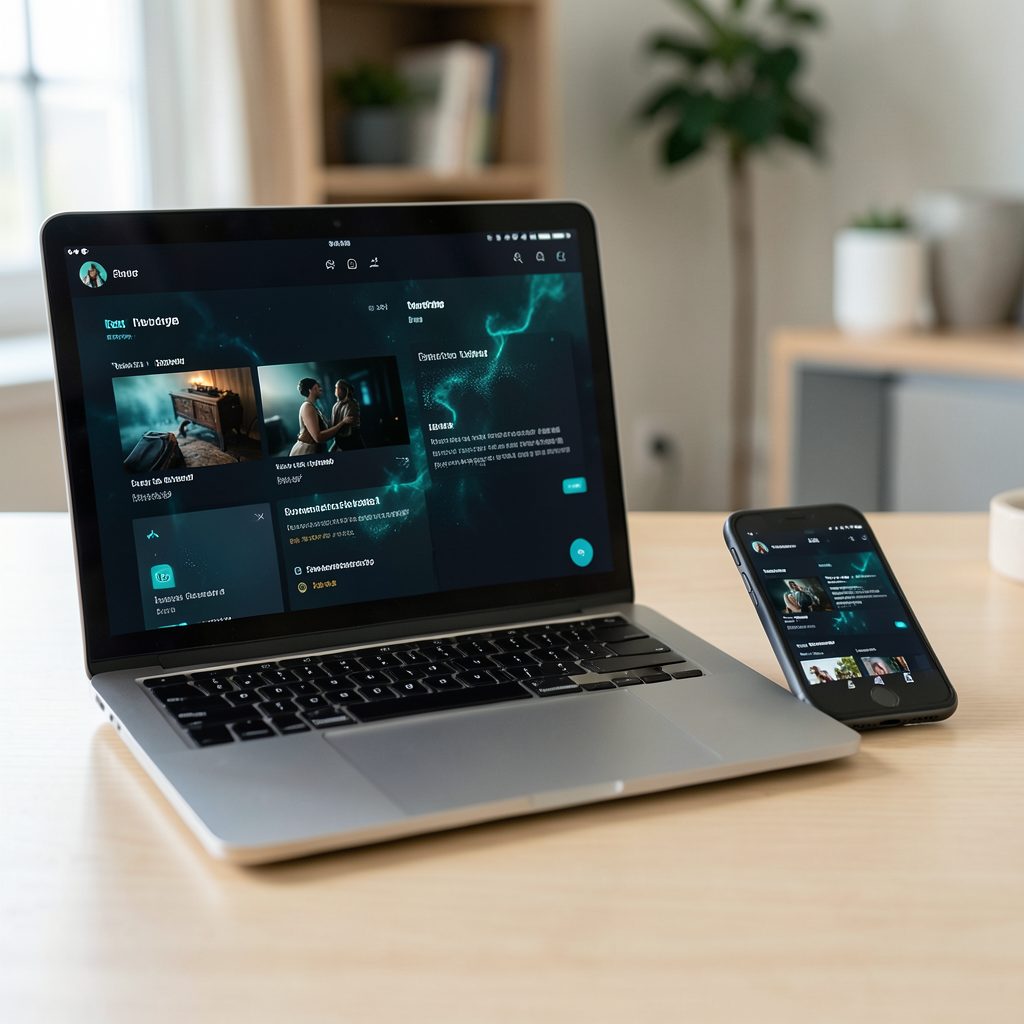
How to Cast Popcorn Time from iPhone to Apple TV
Watching a film on an iPhone is convenient, but a television offers a larger picture, stronger sound, and a more comfortable viewing position. If you use Popcorn Time or a related fork, AirPlay can sometimes move playback from an iPhone to an Apple TV with only a few taps.
The process depends on how the Popcorn Time version handles video playback. Some forks include an AirPlay button, while others require iPhone screen mirroring or a separate compatible player. Network settings, Apple TV generation, video format, and copyright restrictions can also affect the result.
This guide explains the practical ways to connect the two devices, how to prepare a reliable home network, and what to do when casting stops, produces audio without video, or refuses to connect. Because Popcorn Time applications commonly use torrent-based sources, check the laws that apply where you live and use only content you are authorized to access.
Check compatibility before playback
Start by identifying the Popcorn Time fork installed on the iPhone. The name and interface can vary between projects, and updates may change whether AirPlay or external playback is available. Reviewing current Popcorn Time news can help you identify recent fork changes, platform notes, and known compatibility issues before changing settings.
The iPhone and Apple TV should support AirPlay, and both devices need to be connected to the same local Wi-Fi network. They do not necessarily need internet access for AirPlay itself, but Popcorn Time may need an active connection to locate torrent peers or retrieve metadata. A guest network, mobile hotspot, or router with device isolation can prevent the devices from discovering each other.
Update iOS, tvOS, and the relevant application when practical. Older software can still work, but mismatched versions sometimes cause missing AirPlay controls or unstable playback. Restarting both devices after an update also clears temporary network and media-session errors.
Prepare the iPhone and Apple TV
Place the Apple TV on the television’s preferred HDMI input and confirm that it responds to the remote. Open the Apple TV settings and check the AirPlay and HomeKit section. AirPlay should be enabled, and the access setting should allow the iPhone to connect. If a restriction code is active, keep it available because the Apple TV may request it during the first connection.
On the iPhone, open Control Center by swiping down from the upper-right corner. On older iPhone models with a Home button, swipe up from the bottom edge instead. The AirPlay controls may appear inside the media playback panel, while screen mirroring is shown as two overlapping rectangles.
Before launching a stream, test ordinary AirPlay with a supported video or photo. This separates an Apple TV or network problem from a Popcorn Time-specific issue. If regular AirPlay fails, troubleshoot the Apple devices first rather than repeatedly changing Popcorn Time settings.
Avoid downloading an unverified application simply because its name resembles a familiar fork. If you need a particular desktop or mobile build, use a reputable project source and verify that the package is intended for your operating system. The Time4Popcorn download page can be useful when checking a supported build, but examine software provenance and permissions before installation.
Use the built-in AirPlay option
The cleanest method is direct in-app AirPlay. Open Popcorn Time, select an available title, choose a suitable stream, and wait until the player begins displaying video. Look for the AirPlay icon in the player controls, an output menu, or a device-selection button. Tap it and select the Apple TV from the list.
When the connection succeeds, the Apple TV should take over video output while the iPhone remains a remote control. You can pause, resume, adjust the volume, or seek through the timeline from the phone. Some players keep playback inside the app, while others send the media URL to the Apple TV. The second method can fail if the Apple TV cannot decode the stream or reach the source independently.
If the Apple TV appears but playback does not start, choose a different stream quality or file type. High-bitrate files can expose Wi-Fi congestion, and less common codecs may be unsupported by the Apple TV. A standard HD stream is often a better diagnostic choice than a large 4K file with multiple audio tracks.
Keep the iPhone unlocked during the initial connection. Some third-party players stop when iOS suspends the app, especially when they are using screen capture or a temporary browser-based player. Once playback has transferred successfully, the phone may be locked if the application supports background control.
Mirror the iPhone screen
Screen mirroring is the fallback when the Popcorn Time player has no AirPlay button. Open the video on the iPhone, swipe into Control Center, tap Screen Mirroring, and select the Apple TV. Enter the passcode displayed on the television if prompted. The entire iPhone display should then appear on the TV.
Return to Popcorn Time and start playback in landscape orientation. Rotation lock may need to be disabled so the video fills the television screen correctly. The iPhone display remains active during mirroring, which can consume battery and expose notifications, incoming calls, or other private content. Enable a Focus mode and silence notifications before starting a film.
Screen mirroring is less efficient than direct video casting. The phone must decode the stream, render each frame, and transmit the resulting image over Wi-Fi. This can create delay, reduced image quality, audio synchronization problems, or interruptions when the phone receives other demanding tasks.
Some applications deliberately block screen capture or display a black screen when mirrored. That behavior is controlled by the app or video player rather than the Apple TV. In that situation, try the player’s own AirPlay control or use a legally obtained local file in a player that supports AirPlay.
Choose the right connection method
The best option depends on whether the app sends a stream directly or mirrors the phone’s display. Direct AirPlay generally uses less battery and gives the Apple TV more control, while mirroring works across a broader range of iPhone interfaces. A wired adapter can help in some circumstances, but it does not automatically make every protected or unsupported video source compatible.
| Method | Where to start | Main advantage | Common limitation |
|---|---|---|---|
| In-app AirPlay | Playback controls | Efficient handoff and phone-based control | Depends on the Popcorn Time fork |
| Screen mirroring | iPhone Control Center | Works without a dedicated cast button | Uses more battery and may reduce quality |
| Local media AirPlay | Files or a compatible player | Stable playback for authorized files | Requires a downloaded, supported file |
| HDMI adapter | iPhone video output | Avoids wireless discovery issues | Needs compatible hardware and cables |
For local media, save only content you are permitted to store and play. Then open it in a reputable iOS media player with AirPlay support. This route can be more predictable than torrent-stream playback because the file is already available and the player can report codec compatibility before transmission begins.
A wireless connection is usually preferable for convenience, but a crowded 2.4 GHz network may struggle with high-resolution video. If the router offers separate bands, place both devices on a strong 5 GHz connection while keeping them on the same local network. Stay near the access point and pause large downloads during testing.
Fix common AirPlay problems
When the Apple TV is missing from the AirPlay list, confirm that both devices are on the same Wi-Fi name and not connected through a VPN configuration that blocks local discovery. Some VPN applications route or filter local traffic. Temporarily allowing local-network access in the VPN settings may solve discovery without requiring the VPN to be fully disabled.
If playback starts and then stops, test the stream at a lower quality. Buffering can come from the torrent swarm, the router, or the iPhone’s ability to process the selected file. A brief pause before casting may give the stream enough data to begin, although it cannot correct an unreliable source.
Audio with a black screen often indicates a video codec or format issue. Try another stream, use a compatible player, or select a file encoded in a widely supported format. If the image works but audio is delayed, stop playback on both devices, restart the connection, and avoid switching repeatedly between mirroring and direct AirPlay during the same session.
For persistent problems, restart the iPhone, Apple TV, and router in that order. Check whether other AirPlay apps work, then test Popcorn Time again. If only one fork fails, the problem is likely application-specific. Avoid installing random configuration profiles or unofficial helper tools that request unnecessary access to contacts, photos, or device management.
Keep streaming private and lawful
Popcorn Time is associated with torrent-based distribution, and the legality of a stream depends on the content, source, and jurisdiction. AirPlay changes where the picture appears; it does not change the legal status of the material being accessed. Use authorized services or files, and review local copyright rules before streaming or downloading.
A VPN can encrypt traffic between the device and the VPN provider, but it is not a license to access copyrighted material. It can also interfere with Apple TV discovery, reduce bandwidth, or make torrent connections less reliable. If privacy software is part of your normal setup, choose a provider you trust, read its logging policy, and ensure that local-device communication is configured deliberately.
Protect the home network with a strong router password and current firmware. Use Apple TV access restrictions if other people share the television, and avoid entering account details into unfamiliar Popcorn Time clones. Do not expose torrent traffic or media servers directly to the public internet simply to make casting easier.
Use a dependable casting routine
A short preparation routine prevents most interruptions:
- Connect the iPhone and Apple TV to the same trusted Wi-Fi network.
- Test AirPlay with an ordinary video before opening a Popcorn Time stream.
- Prefer the player’s built-in AirPlay control over full-screen mirroring.
- Select a moderate resolution and widely supported format when troubleshooting.
- Keep software current and remove unofficial tools that request excessive permissions.
When the setup works, use the iPhone as a playback remote and keep it close to the router during the first few minutes. For repeated viewing, note which fork, stream quality, and playback method performed reliably. That record makes future troubleshooting much faster, especially after an iOS, tvOS, router, or application update.
Set up your devices, test a legal video source, and then try the casting method that best matches your Popcorn Time player. If direct AirPlay is unavailable, screen mirroring offers a practical alternative, provided the network is stable and the application allows display capture.