
Building A Private Popcorn Time Network Server
A private media server can make locally stored, legally acquired video available to devices on the same home network. The arrangement is useful when several people want to watch content from a central computer without copying large files to every television, laptop, or mobile device.
Popcorn Time is generally designed as a client application that discovers sources and plays them through a desktop, mobile, or television interface. It is not a single official server product with a stable administration panel. Different forks use different catalogs, APIs, playback engines, and update systems, so building a reliable private setup usually means combining a local media server with compatible playback clients.
The safest approach is to use public-domain films, content you own, or media distributed with the copyright holder’s permission. A private network reduces exposure to the internet, but it does not change copyright rules or make unauthorized redistribution lawful. Before installing a fork, review its source, permissions, update history, and legal position in your country.
What The Server Should Do
A home server can perform several separate jobs. It can store video files, scan folders, retrieve artwork and metadata, provide streaming over HTTP, and convert formats when a device cannot play the original file. Keeping these functions distinct makes the system easier to troubleshoot than treating “Popcorn Time server” as one specific package.
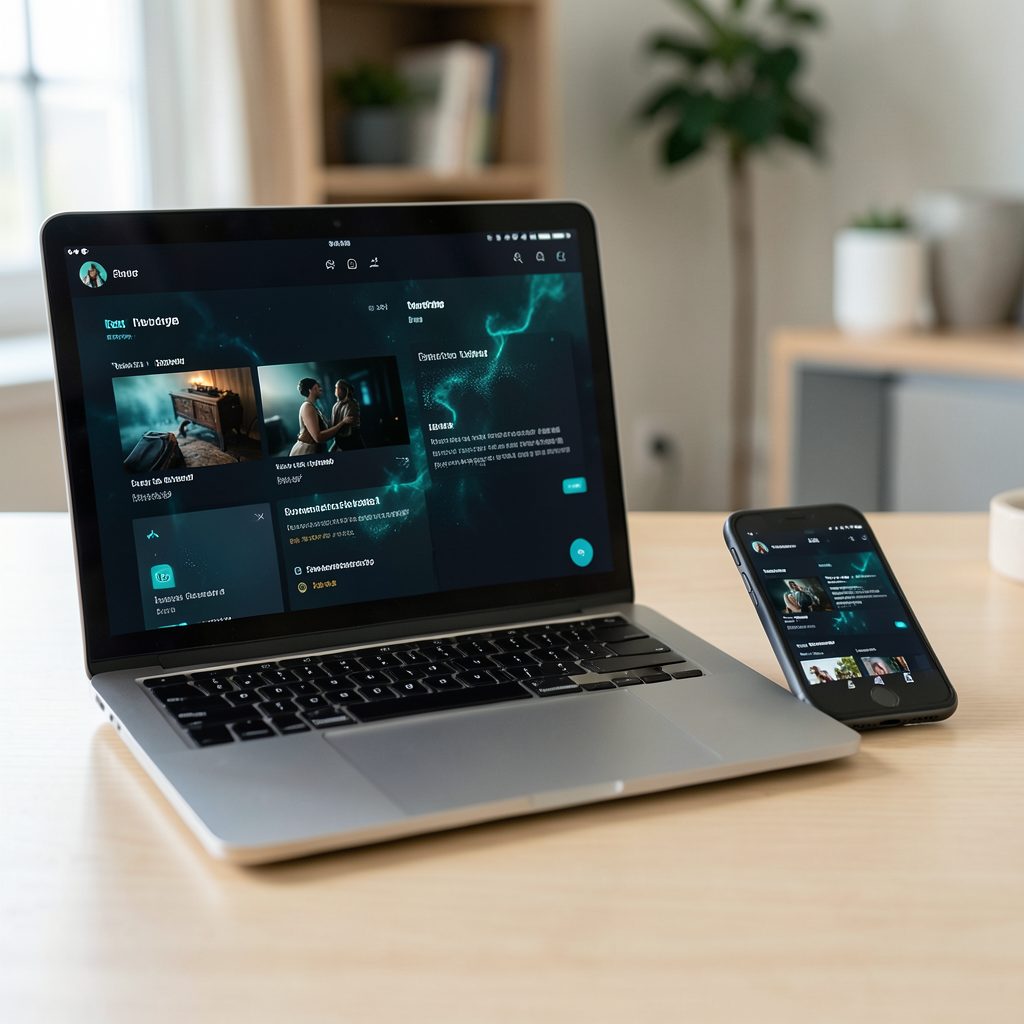
For a stable setup, use the server as the central library and let each client handle playback. A smart TV, browser, Android device, or media box can connect through a supported application. If a particular Popcorn Time fork expects torrent-based sources rather than local files, it may not be able to use the library directly. In that case, a conventional media platform is usually more dependable for private-network streaming.
The Popcorn Time resource can help you compare fork availability, platform support, setup notes, and current limitations before choosing a client. Treat third-party downloads cautiously, especially when an installer requests administrator access, browser extensions, or unrelated bundled software.
Choose Hardware And Network Placement
A small desktop, refurbished laptop, mini PC, or network-attached storage device can host the service. Prioritize quiet cooling, wired Ethernet, replaceable storage, and enough memory for the number of simultaneous streams. Direct playback requires modest processing power, while transcoding high-bitrate 4K video can require substantially more CPU or a supported hardware encoder.
A wired connection from the server to the router is preferable. Wi-Fi may work for a single 1080p stream, but interference, weak signal strength, and competing traffic can cause buffering. Connect televisions or streaming boxes by Ethernet where possible, then reserve wireless access for phones, tablets, and portable devices.
| Component | Practical starting point | Why it matters |
|---|---|---|
| Host computer | Recent mini PC or refurbished desktop | Provides reliable uptime and upgrade options |
| Memory | 8 GB for a small household library | Leaves room for the operating system and media services |
| Storage | Separate system drive and media drive | Simplifies backups and protects the operating system |
| Network | Gigabit Ethernet to the router | Reduces buffering and connection drops |
| Video support | Hardware decoding and encoding | Helps with multiple or high-resolution streams |
| Backup target | External drive or second local device | Protects metadata and legally stored media |
Keep the machine in a ventilated location and connect it to a surge protector. If the server will run continuously, configure automatic startup after a power failure and monitor disk health. A UPS is useful where short outages are common, although it does not replace a backup.
Install The Operating System And Storage
Linux is a popular choice because it is lightweight, well documented, and convenient for services running in containers. Windows can be easier for users who prefer graphical administration, while a NAS operating system may provide integrated storage monitoring and user management. Choose the platform you can update and repair confidently rather than selecting one solely for performance.
Create a dedicated media directory with separate folders for films, series, subtitles, and temporary downloads. Use clear filenames, such as a title followed by its year, and avoid storing personal documents in the same share. A consistent structure allows media software to identify files accurately and prevents a library scan from importing unrelated material.
Give the service its own operating-system account instead of running it with full administrator privileges. Limit that account to the media directories it needs. If you use Docker or another container system, map only the required folders into the container and keep configuration files in a separate location.
Before adding any streaming interface, test file access locally. Confirm that the server can read the library, that a client can open one small video, and that subtitles use a supported format. Establishing this baseline helps distinguish storage problems from application or network problems.
Add A Media Service Layer
A general-purpose media server is often the most practical foundation. Jellyfin, Plex, and Emby are common examples, although their licensing, account models, and device support differ. These platforms provide libraries, search, posters, resume points, user profiles, and browser playback without depending on a torrent catalog.
Install the selected service from its official project source or a trusted distribution repository. During setup, define the media paths, choose a local administrative account, and allow the service to scan only the folders containing authorized content. Metadata providers may contact external services, so review privacy settings if keeping library information private is important.
Enable direct play wherever possible. Direct play sends the original file and places little load on the server. Direct stream may change the container without re-encoding the video. Transcoding converts the file and consumes considerably more resources, particularly when subtitles are burned into the image or when a mobile device requests a lower resolution.
A Popcorn Time-style interface may be attractive for browsing, but compatibility should be tested rather than assumed. Some forks can open a network URL or local media endpoint, while others only understand their own catalog and peer-to-peer sources. Do not expose an untested API to the public internet in an attempt to force compatibility.
Connect Clients Across The Home
After the server is running, connect clients through its local IP address or a local hostname. Reserve the server’s DHCP address in the router so that the address does not change after a reboot. Use a friendly local name if the router supports it, but keep the fixed address available for troubleshooting.
Install the official or trusted client for each platform. On a television, a dedicated application or streaming box may provide smoother navigation than a browser. On Android, verify that the application comes from a reputable source and inspect requested permissions. On desktop systems, a browser interface can be sufficient for testing.
Chromecast and AirPlay can work when the server and receiving device share the same LAN and multicast discovery is allowed. Guest Wi-Fi networks frequently block this discovery, which makes casting appear broken even when ordinary web access works. If casting fails, test playback directly on the receiving device before changing firewall rules.
For remote viewing, avoid simply forwarding the media server’s port from the router. Use a properly configured VPN or a secure reverse proxy with strong authentication, current certificates, and rate limiting. A private-network design should remain private unless there is a clear need for remote access.
Protect The Library And The Network
Use a strong, unique administrator password and enable multi-factor authentication when the chosen platform supports it. Create separate user accounts for household members, limit administrator privileges, and disable accounts that are no longer needed. Keep the operating system, media service, containers, and client applications updated from trusted sources.
A firewall should permit the media service on the home LAN while blocking unsolicited connections from the wider internet. If the server also runs any peer-to-peer software, isolate that traffic from the administration interface. Never reuse the same port or credentials for unrelated services without understanding the security consequences.
A VPN can protect traffic on an untrusted public network, but it does not legalize copyrighted streaming or make an unsafe application trustworthy. For a home-only setup, a VPN is usually more relevant to remote access than to playback inside the house. If torrent activity is involved, understand that peers may see the public IP address and that local laws may impose additional obligations.
Back up configuration files, playlists, watch history, and irreplaceable personal media. Redundant disks can help with drive failure, but a mirror is not a complete backup because accidental deletion or malware can be copied across both disks. Keep at least one backup disconnected or protected from routine write access.
Troubleshoot Playback And Maintenance
Buffering usually points to bandwidth, Wi-Fi interference, an overloaded transcoder, or a slow disk. Check whether the client is using direct play, inspect CPU and memory usage during playback, and test with a lower-bitrate file. If only one device fails, compare its codec support with the original video rather than immediately rebuilding the server.
Missing posters or incorrect titles generally result from naming errors, restricted metadata access, or a scanner that has not completed. Rename files consistently, rescan the relevant library, and confirm that the service account can read every directory. Avoid repeated full-library scans while troubleshooting a large collection because they can consume resources without fixing the underlying issue.
When a Popcorn Time fork cannot see the server, verify whether it supports local media sources at all. Confirm that both devices are on the same subnet, that the server’s local port is open, and that the fork is not trying to contact a discontinued catalog endpoint. A standard media client may provide a cleaner solution than modifying an unofficial fork.
Use these operating principles for a dependable household installation:
- Start with a small library of authorized files and test one client at a time.
- Prefer wired Ethernet for the server and fixed network addressing through the router.
- Enable direct play first, then add transcoding only when a device requires it.
- Keep administration interfaces on the LAN and avoid unnecessary port forwarding.
- Schedule updates and backups so maintenance does not depend on memory.
A private media server works best when it is treated as a modest home IT system rather than a single-purpose streaming shortcut. Select trustworthy software, document the server address and storage paths, test playback on every target device, and review the legal status of each source before adding it to the library. Start with one authorized film, verify local playback, and expand the network only after the basic path from storage to screen is reliable.