


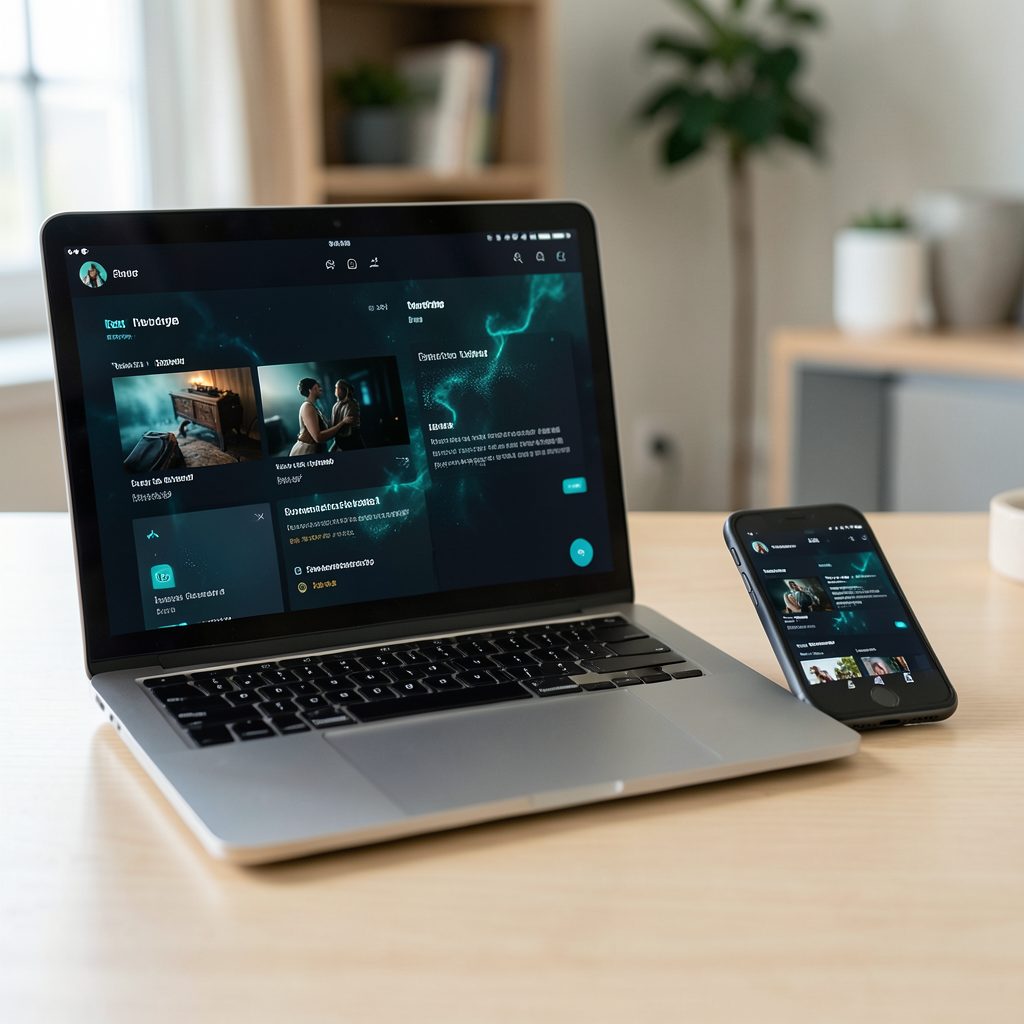
Best Popcorn Time forks for classic films and black-and-white movies
Classic cinema has a different rhythm from modern streaming. Silent films, early talkies, film noir, screwball comedies and mid-century dramas often depend on careful subtitles, reliable picture quality and a catalogue that goes beyond current blockbusters. A Popcorn Time-style interface can make that exploration feel simple, provided the underlying source is lawful and the software is kept secure.
The term “fork” refers to a separate version built from, or inspired by, an earlier Popcorn Time project. Forks can look alike while differing greatly in maintenance, privacy practices, operating-system support and the legality of the available streams. A familiar logo does not guarantee that an application is genuine or safe.
For viewers in Australia, availability can also change according to licensing agreements and regional restrictions. A film visible in Melbourne may be absent from a service in Perth, while a title listed by an overseas fork may have no authorised Australian stream at all. This makes catalogue research just as important as interface design.
The most suitable option for black-and-white movies is therefore the fork or streaming tool that handles subtitles, metadata, casting and local playback well without encouraging copyright infringement. Public-domain films and titles supplied through licensed platforms are the safest foundation for a vintage movie library.
How Popcorn Time forks differ
Early Popcorn Time projects became known for presenting torrent-based video through a Netflix-like interface. When a project disappeared, independent developers sometimes released replacements using similar code, branding or design ideas. These versions may be called forks, but they are not necessarily connected to one another or to the original developers.
For classic-film viewers, the practical differences include search accuracy, subtitle support, buffer performance and the quality of available metadata. One fork may identify a 1930s film correctly, while another may show an incorrect poster or combine several releases under one title. That matters when searching for restored prints, original aspect ratios or films with multiple cuts.
Forks also vary in how transparent they are about their code, release history and download sources. A project with no recent development, unclear ownership or aggressive advertising deserves caution. Avoid versions distributed through random pop-up pages, modified installers or unofficial app stores, particularly when they request unnecessary permissions.
Forks and tools worth comparing
Popcorn Time Online-style projects are often discussed because they offer a browser-oriented experience with a large search catalogue. Their convenience can be attractive for older titles, yet the presence of a film in a torrent index does not show that streaming it is authorised. Availability, subtitle quality and safety may change without warning.
The Butter Project is another name associated with the wider Popcorn Time history. It is useful as a reference point when researching the evolution of these applications, although current support and catalogue reliability should be verified before installing anything. Older guides can remain online long after a project has stopped receiving security updates.
Community editions and platform-specific builds sometimes focus on Android, Windows, Linux or macOS. These may provide useful playback features, but “community edition” is not a guarantee of official status. Check the project’s current release notes, source repository, developer identity and checksum information before considering installation.
For many Australian viewers, a legal media centre may be a better alternative to a torrent-based fork. Plex, Kodi with authorised add-ons, SBS On Demand, ABC iview, Tubi and library services can cover different parts of a classic catalogue. Kanopy may be available through participating universities or public libraries, although access and title selection differ between institutions.
Finding silent films and early cinema
Black-and-white viewing is broader than a colour filter. The strongest catalogues include silent features, newsreels, German Expressionist works, early Hollywood productions, British dramas, Japanese classics and film noir. Search tools should recognise original titles, alternate spellings, translated names and director credits.
Metadata is particularly valuable for silent cinema because the same film may appear with different intertitles, frame rates or restoration versions. A good media application should show year, director, cast and running time, then allow the viewer to select a suitable release. Films from the 1920s can look unnaturally fast when encoded at the wrong frame rate, so playback controls matter.
Public-domain collections are a practical starting point. Internet Archive hosts many older films, though the rights position can vary by country and by individual upload. The National Film and Sound Archive of Australia provides information about Australian screen heritage and preservation, while local libraries and university collections may offer authorised access to specialist material.
A title being old does not automatically make it free of copyright. In Australia, copyright duration depends on factors such as the creator, publication history and date of death. Restored prints, new musical scores, subtitles and newly prepared editions can have separate rights even where an underlying work is old.
Features that matter for vintage viewing
Subtitle handling should be near the top of the checklist. Silent films may use intertitles, while foreign-language classics often need timed subtitle files. Look for selectable subtitle tracks, readable typography and the ability to adjust size and position without obscuring important visual details.
Picture quality should be judged with the era in mind. A genuine restoration may preserve grain, scratches and fluctuations rather than producing a perfectly smooth image. A fork that offers several quality levels can help viewers with slower connections in regional Queensland or households sharing evening broadband in Sydney.
Casting support is useful when a black-and-white film is being watched on a television rather than a laptop. Chromecast, AirPlay and DLNA compatibility can make a modest computer or phone into a convenient controller. Compatibility is never universal, however, and a cast button does not correct an unstable source or unsupported subtitle format.
Audio options also deserve attention. Silent films may use a modern score, a historical accompaniment or no soundtrack at all. A capable player should preserve stereo and mono tracks correctly, avoid sudden volume changes and provide a way to select an alternate audio stream when one is available.
Australian copyright and streaming realities
Australian viewers should consider the Copyright Act 1968 before using any torrent-based streaming application. Downloading or communicating copyrighted films without permission may create legal risk, and the fact that an application streams rather than saves a visible file does not automatically make the activity lawful. Fair dealing exceptions are limited and should not be treated as a general entertainment licence.
Rights holders and internet service providers have used court-approved site-blocking measures in Australia, and access to a website can change without notice. A title may also be licensed to one service for a limited period. This explains why catalogues can differ between Brisbane, Adelaide and Hobart, even when viewers use the same brand of streaming application.
A VPN is legal to use in Australia and can improve privacy on public Wi-Fi, such as at a hotel or café. It does not grant permission to watch copyrighted material without authorisation, and it should not be presented as a way to bypass Australian copyright rules. Choose a provider with a clear privacy policy rather than relying on a free VPN that collects extensive browsing data.
The safest approach is to use authorised platforms, library subscriptions, purchased digital editions and public-domain archives. When a film is unavailable, that absence may reflect a licensing gap rather than a technical problem. Searching the National Film and Sound Archive, local library databases or legitimate rental services can sometimes reveal a lawful route to the same title.
Safer installation and maintenance
Before installing any Popcorn Time-related application, verify the source carefully. Use the developer’s known website or public code repository, inspect the release date and scan the installer with reputable security software. Guidance on the Popcorn Time download page can help explain platform availability, but it should not replace checking the application’s current legitimacy and safety.
Avoid installers that bundle browser extensions, demand administrator access without a clear reason or insist that antivirus protection be disabled. Torrents can expose an IP address to other peers, while unofficial forks may include adware, trackers or malware. A separate user account, updated operating system and regular backups reduce the consequences of a compromised application.
Keep media software and casting devices patched. Apple TV, Chromecast, Android TV boxes and smart televisions can all contain outdated components if firmware updates are ignored. Remove abandoned forks rather than leaving them installed, particularly when they no longer receive security fixes or fail to explain how their catalogue is sourced.
A small amount of organisation improves the experience. Use legal files with descriptive names, retain subtitles beside the correct video and store backups on a separate drive. For Australian households with limited evening data or variable regional broadband, downloading authorised content through an approved service can also make playback more dependable.
Choosing the right option for your library
For silent cinema, prioritise accurate metadata, adjustable playback speed, intertitle-friendly subtitles and access to restored or public-domain editions. For film noir, look for reliable year and cast searches, since many titles have similar names and overlapping remakes. For international classics, subtitle controls and alternate audio tracks are more important than a large but poorly documented catalogue.
A browser-based project may suit occasional viewing, while a maintained desktop media centre can be preferable for a personal collection. Android users may value casting and remote-control support, whereas Mac and Windows viewers may prefer keyboard shortcuts, external subtitle loading and better file-management tools. No single fork is best across every device.
Treat catalogue size as a secondary consideration. A service listing thousands of poorly labelled releases is less useful than one that clearly identifies a lawful 4K restoration or a public-domain print. Read current user reports, inspect the privacy policy and confirm Australian availability before committing time or payment.
The strongest setup combines a reputable legal streaming source with a flexible player and a carefully curated archive. That arrangement supports weekend screenings in Melbourne, a late-night noir session in Perth or a family viewing in Canberra without making uncertain torrent sources the centre of the experience.
Build your vintage film library around authorised services, public-domain collections and well-maintained playback software. Check each fork’s current status, protect your devices, use subtitles and casting features thoughtfully, and choose restored black-and-white films whose rights and source are clear.